Winegrowers plough rotting grapes into the ground as global demand crashes

A weaker grape price, capped yields and higher operating costs have squeezed grower profitability, and concerns are mounting for further pressure next season

Tina Morrison, Newsroom | 30/07/2025

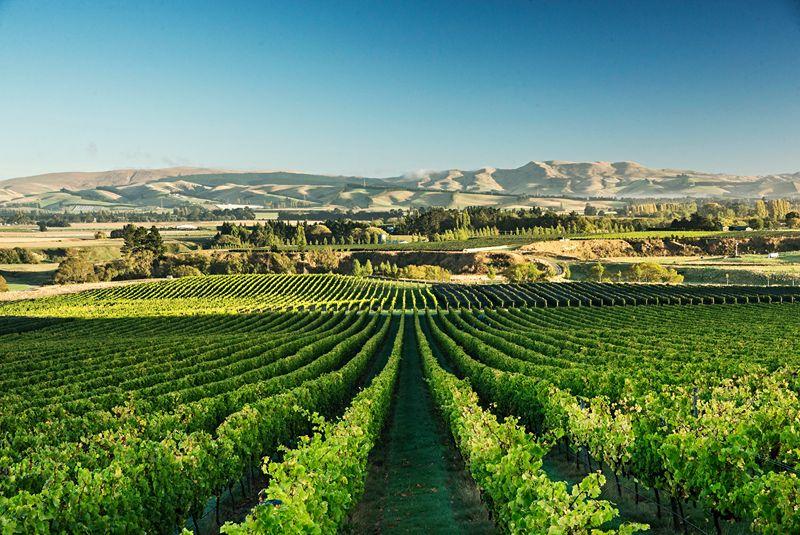
In Marlborough, which produced 81.5 percent of the national harvest this season, most of it sauvignon blanc, an estimated 15-20 percent of the tonnage was unharvested. Photo: Getty Images
In Marlborough, which produced 81.5 per cent of the national harvest this season, most of it sauvignon blanc, an estimated 15-20 per cent of the tonnage was unharvested. Photo: Getty Images

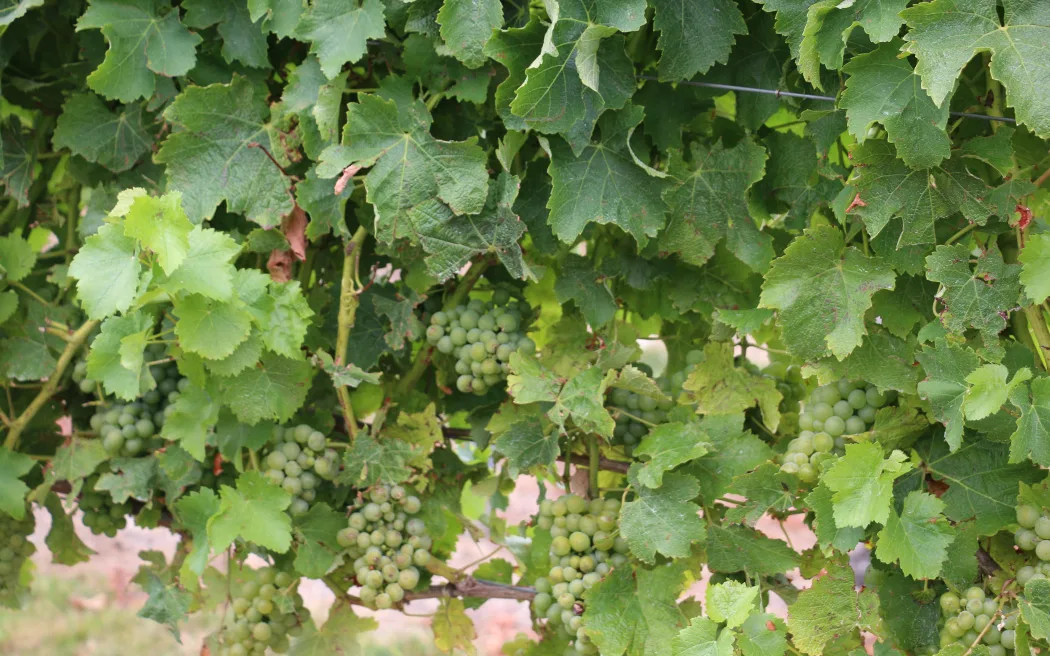
Grape growers produced a bumper crop this season, but an unprecedented amount of fruit never made it to a winery, and was left to wither on the vine or rot on the ground as winemakers grappled with oversupply after declining global demand.

Ideal growing conditions bolstered the 2025 harvest to 519,000 tonnes, the second largest on record (the largest harvest, 532,000 tonnes, was in 2022).

But an extra 75,000 to 100,000 tonnes of fruit have remained unharvested this season after wineries capped grape volumes, according to Mike Insley, a 30-year industry veteran based in the country’s biggest wine region, Marlborough.

“I can’t remember a year like it for unharvested fruit,” said Insley, a viticulture consultant at Grape Sense who was chief operating officer at Yealands Wine Group and national viticulture manager at Pernod Ricard NZ.

“Companies picked what they were required to pick, and left the rest behind.”

The bumper vintage comes as domestic storage is close to capacity after falling global demand, the Ministry for Primary Industries noted in its latest Situation and Outlook report in June.

Wineries’ inventories of sauvignon blanc, the country’s flagship wine, were at 10-year highs before this year’s harvest, the ministry noted in December.

In Marlborough, which produced 81.5 percent of the national harvest this season, most of it sauvignon blanc, Insley estimates 15-20 percent of the tonnage was unharvested.

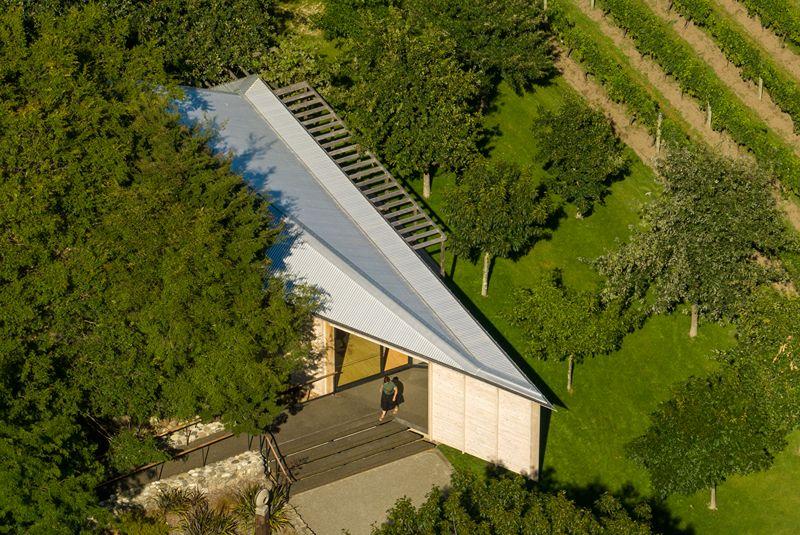
Cambridge Road Vineyard, Martinborough

Please note some of this information is from Cambridge Road’s website.

At the Luna evening in August, the presenter Joel Watson mentioned that a fellow local
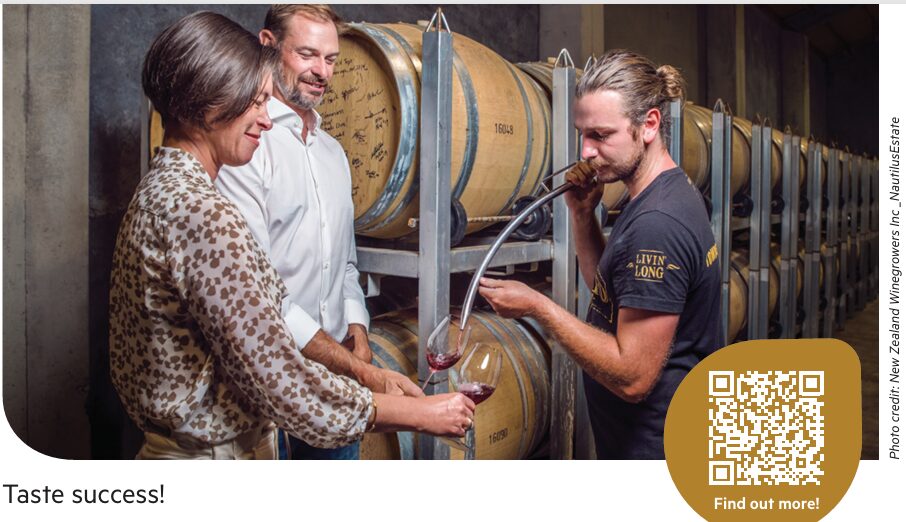
vineyard, Cambridge Road Vineyard, had been experimenting using 90-year-old Totara barrels with two of its wines. So, I contacted the Vigneron, Lance Redgwell to find out more as I was immediately alerted to a potential story, as my husband who writes about whisky, has discovered that a NZ distillery, Pokeno, uses newly made totara barrels for some of its production. These have won gold medals overseas in blind-taste competitions!

The casks in question, crafted in the 1930s, are a far cry from the standard oak barrels of today. Hewn from the forest that carpeted this country, they hark back to a time before Stainless steel and imported European woods. The coopers tradition travelled with the early winegrowers to New Zealand and with them the first wines from this country began to emerge in the late 1800’s.

Ranging from 2,100 to 2,900 litres, these large-format casks, foudre or botte are commonly found in northern Italy, Germany, Austria, and Alsace and often used for high-acid varietals like Nebbiolo, Riesling, and Grüner Veltliner. “They provide lower oxidation levels and a more neutral wood profile,” explains Lance. “But beyond that, they carry mana, history, and a spirit that transcends a mere flavour profile. This is about rekindling a connection to the past and the
early history of winemaking in New Zealand.”

Discovered in a mothballed winery in the far-north town of Kaikohe, these barrels were traced back to the Brajkovich family, best known for their work with Kumeu River Wines in West Auckland. To bring the wood back to life, their restoration comes with immense challenges.

“Like restoring a vintage timber boat, it requires traditional techniques. We’ve had to use draw saws, working with the grain as they would have in the 1920s.
The wood is brittle, and every step requires immense care. It’s an ongoing journey, and we’re not there yet, it will take time.” says Lance Redgwell.

While this is a long-term project, the scale will always be limited by the number of barrels available.

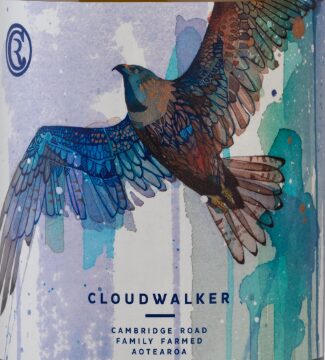
Crystal Veil 2023 $45.00Cloudwalker $45.00

“My hope is that this effort will keep these barrels in use for another 95 years, inspiring future generations to take pride in New Zealand’s winemaking heritage,” says Lance. “And ultimately, my goal is to craft the most distinctly Kiwi wines on the planet— wine that speaks not just of place, but of history, tradition, and the land that nurtures it.”

Cambridge Road has two current wines released which employ Totara cask ageing:

  • 2023 Crystal Veil – rediscovering NZ’s winemaking heritage – a Sauvignon Blanc born in Totara – Sauvignon Blanc Crystal Veil 2023 is both clean and complex. The Totara cask imparts subtle structure and texture, what Lance describes as “a phenolic gift,” giving the wine tension and finesse, along with a faint, lingering memory of fennel seed on the finish. Whole bunch pressed, wild fermented, and left on lees for nearly two years. With zero skin contact, low sulphites (23ppm), and an alcohol level of 12%.
  • 2023 Cloudwalker – this is an orange wine, with varietals of Pinot Gris, Riesling, Pinot Noir. This year’s Cloudwalker sees a more delicate extraction than typical, making it more flexible in terms of end use and food matching. Again, it’s a single vineyard expression looking into the stony, sandy, windswept fringes of the Dry River southwest of town. The Pinot Gris brings colour, spice and stone fruit dimensions, modest levels of Riesling engage further spice and citrus lift. Beyond this a subtle gift of Pinot Rose’ smooths the complexion ever so slightly. This is a wine to enjoy immediately or sometime in the next 5-6 years. Lean toward aromatic curries, brown butter, nuts and mandarin, green peppercorn, white fish & capers, that kind of direction for food matches.

Raising the Bar in Wine Tourism: Casita Miro Leads the Way

Stuff article Sept 8th, 2025

SPONSORED CONTENT BY SERVICEIQ

Recognises and supports teams delivering unforgettable tasting experiences in wineries, breweries, and artisan food businesses across Aotearoa New Zealand.

Casita Miro has become a benchmark for hospitality excellence

On Waiheke Island, Casita Miro isn’t just known for award-winning food and wine. The vineyard and restaurant has become a benchmark for hospitality
excellence, thanks to owner Catherine Vosper’s commitment to training her people – supported by a long-standing partnership with ServiceIQ.

Together, they are showing how structured on-the-job learning can elevate guest experiences, build staff capability, and raise the bar across New Zealand as per our wine tourism.

For Vosper, investing in people has never been optional. “A healthy business will always seek to make their business better, unrelentingly! You must never stop working to raise the bar,” she says.

“As people are the core of hospitality, investing in their education and other pastoral growth experiences means that your business will provide increasingly better customer service.”

Vosper believes the impact goes well beyond customer satisfaction. “Your staff will feel better in knowing that they are worthy of such educational investment,” she says. “It’s a win-win situation! It’s extremely important that we, as hospitality businesses, look at our industry sector as a whole and work together to help lift professional standards.”

Service that makes a difference

This commitment shows up in the way visitors experience Casita Miro. “The result of better service is greater job satisfaction and confidence for the team who have made the customers happy,” Vosper says. “It is such a wonderful feeling to make someone happy… and of course, it is great for business for happy customers to spread the word of their satisfaction. They will do your marketing for you!”

Her philosophy has helped establish Casita Miro as a standout in New Zealand wine tourism. But Vosper is also clear that excellence is not achieved in isolation. ServiceIQ, the nationwide work-based training specialist for New Zealand’s service sectors, has been a key partner in supporting her team to continually lift their skills and confidence.

Pippa Saxon, National Account Manager at ServiceIQ, says New Zealand makes outstanding wine, but what truly elevates a wine tasting is the story and service.

“Structured, on-the-job training means every host can deliver that story with confidence and consistency, so visitors have a memorable experience, and venues see stronger sales,” she says.

“Our approach is industry-backed, developed in partnership with New Zealand Wine, and the unit standards are chosen to lift service quality across cellar doors around New Zealand.”

Cellar Door Excellence

That collaboration is now extending to ServiceIQ’s new Cellar Door Excellence programme, designed specifically for wineries.

Vosper says the fit was obvious. “On Waiheke, our busy season is over summer, and we will double our staff numbers for six months. They need to be trained quickly and thoroughly, so the ServiceIQ Cellar Door programme is a no brainer.”

The programme equips seasonal and permanent staff alike with practical skills to engage visitors, communicate product knowledge, and deliver consistent service. For busy wineries like Casita Miro, it means newcomers can get up to speed quickly without compromising the guest experience.

The initiative also creates clear pathways, says Saxon. “In partnership with New Zealand Wine, Cellar Door Excellence pathways into the New Zealand Certificate in Tourism (Level 3), so teams can gain NZQA-recognised skills while they work. For venues like Casita Miro, it sets a clear benchmark for hosting tastings, improves guest experiences, and builds a pipeline of talent who can progress,” she says.

Building confidence and careers

Vosper has seen first-hand how structured training benefits everyone in the workplace. “This style of training benefits the entire team! People stay in a position for longer when they can see their professional growth, obtain career advancement and receive better pay when they reach their educational goals,” she says.

Learning lifts confidence, connection, and loyalty, says Vosper. “The trainer is always learning, too. If the business is successful, it can pay better wages and provide bonuses and perks so staff will stay longer.”

Raising industry standards

Looking ahead, Vosper wants to see consistent excellence across New Zealand wine tourism. “New Zealand already has a reputation for great wine. But you need to be able to sell it! This is particularly important in our current economic climate,” she says.

Vosper believes the Cellar Door Excellence programme has the potential to transform the sector. “Imagine if every single Cellar Door in the country had staff armed with multi-cultural empathy, warmth, sales techniques, wine intelligence and local knowledge, the world will be knocking at our doors!”

To explore tourism training opportunities, visit ServiceIQ’s tourism programmes, particularly the Cellar Door Excellence programme.

New Zealand Winegrowers reports bumper 2025 harvest with exports up 5% by volume but value down

About 90 percent of the wine produced in New Zealand was exported to more than 100 countries. Photo: RNZ

Nona Pelletier, RNZ | 30 September 2025

The value of wine exports has dropped slightly over the past year, though volumes remain strong with an exceptionally large 2025 harvest to drive growth.

NZ Winegrowers annual report indicates exports rose 5 percent by volume in the year ended June, though the value of exports was down slightly at $2.10 billion.

Association chair Fabian Yukich said there had been strong export growth to Asian markets over the past year, though the value of exports to the major United States market fell 4 percent to $762 million.

About 90 percent of the wine produced in New Zealand was exported to more than 100 countries.

Shipments to China grew 47 percent to $56m, while exports to South Korea lifted 92 percent to $44m.

Overall exports to second-tier markets, which excluded UK, USA and Australia which together accounted for 70 percent of exports, rose 17 percent in the past 12 months to just under $600m.

“According to market researcher IWSR, lighter refreshing styles are outpacing overall wine category performance,” Yukich said.

“This shift is driven by varietals with more refreshing palate profiles, which New Zealand excels in delivering.”

However, he said the industry was facing a number of challenges, with uncertainty around the long-term impact of tariffs on demand for New Zealand wine in the United States.

“While the increased tariffs have been in place since April, with a further increase in August, it is not yet possible to discern the effect of these in the export data.”

Vintage 2025

The 2025 vintage was unusually large with positive weather conditions bringing warm, dry days and cool nights, producing a high-quality harvest, though a lot of grapes were left on the vine.

Winegrowers chief executive Phillip Gregan said the grape yield was exceptional with the volume far exceeding the industry’s ability to process.

“The weather was so fantastic for grape growing that crop was really once in a generation,” Gregan said.

“There was no way we were ever going to be able to harvest all those grapes. We wouldn’t have had the capacity in our wineries. So there’s still plenty of our wine available to grow sales over the last.”

Retirement village bans alcohol at happy hour in common areas after Christmas Day barbecue fallout

No wine or other alcohol is allowed in the common areas at a retirement village in Christchurch. Photo / 123rf

Anne Gibson, Property Editor, NZ Herald | 1 Sep, 2025

A complaint brought by residents of a retirement village has been rejected after alcohol was banned at happy hour in common areas.

Events date back nearly two years to the village’s barbecue area on Christmas Day and the subsequent emails that resulted in five residents taking a complaint, now published on the Retirement Commission’s website.

The five residents of Condell Retirement Village in Bryndwr, Christchurch, are the only ones so far this year to take a dispute all the way to the commission and have a decision published there.

Most other disputes are settled without reaching that forum. The Condell ruling is the only one published in 2025.

Rowland and Patricia Dunbar, Anne McDonnell and John and Jean Sparrow brought the case against Condell Retirement Village (2011).

The Christchurch village owner/operator and the complaining residents agreed there was a gathering in the barbecue area on December 25, 2023, the decision said after an independent disputes panel heard the arguments.

Following the gathering, an email was sent to all residents by village relationship manager Alison McCormick.

“A few individuals breached the alcohol-free policy in the BBQ common area. As a result of this incident, the directors can confirm the village common areas are now permanently alcohol-free.

From now on, all happy hours in the community centre will be alcohol free.

“The actions of those involved in this breach do not reflect the values we strive to maintain in our village,” McCormick wrote.

A director of the company, Paul McCormack, sent a further email to everyone that said a group of residents had “displayed a boastful attitude while violating the village’s zero-alcohol policy”.

“We urge those involved to cease any form of bullying directed at residents who have complied with the village policy and are accepting of our decision.”

The decision summary from disputes panellist David Carden said the issues were whether the village operator/respondent had breached the occupation rights agreement of the residents.

That was to do with obligations under the code of residents’ rights by:

  • Banning alcohol from all communal areas in the village;
  • Changing access to services for the applicants in the village;
  • Communications to all residents in the village concerning an alcohol-free policy;
  • Exposing the applicants to subsequent ill-treatment and distrust;
  • Failing adequately to apologise to the applicants.

One resident referred to the owner/operator making a threat to residents that had financial implications as “a form of elder abuse tantamount to bullying innocent people”.

But the disputes panel found in favour of the village operator/respondent and dismissed the complaints.

There was no evidence in the documents provided that identified them and therefore no basis to find they were implicated in what was said in those letters, the panel said.

There was nothing objectionable in the wording of the letters and nothing that did not treat them with courtesy or disrespect their rights.

If they considered they had been harmed by the letters, they could correct that by clarifying matters to other residents, the decision said.

McCormack told the Herald he was delighted with the decision, which upheld the actions of the owners.

“We are very happy with our conduct.”

It was a breach of alcohol laws for liquor to be served without a licence, he said. Yet that had been the case for many years, which the owners realised was illegal.

Asked why the village did not get a licence to allow alcohol to continue to be served in common areas, McCormack said the directors had decided against that.

But the dispute had cost $20,000, of which the residents had only been ordered to pay $2100 in costs, he said.

Alcohol remains banned in common areas of the village, McCormack said.

The World’s 50 Best Vineyards 2025: the 51-100 list revealed

Emma Sleight, 50Best – 5 Nov 2025

View the extended list of The World’s 50 Best (actually 51st to 100th) Vineyards.

The list of The World’s 50 Best Vineyards 2025 will be revealed at a live awards ceremony in Margaret River, Western Australia, on 19 November.

From established names to rising stars, find out more about the storied estates ranked 51st to 100th in the global ranking, each of which dazzles with world-class terroir, immersive visitor experiences, and unforgettable hospitality.

The 51-100 New Zealand wineries in this prestigious list include:

No.100 Ata Rangi, Martinborough

Ata Rangi in Martinborough is a boutique, organic estate that has earned New Zealand Grand Cru status. It was founded by a dairy farmer who successfully turned his hand to grape growing (with the help of his wife and sister), hence its name, which translates to ‘new beginnings.’

No.100 Ata Rangi, Martinborough
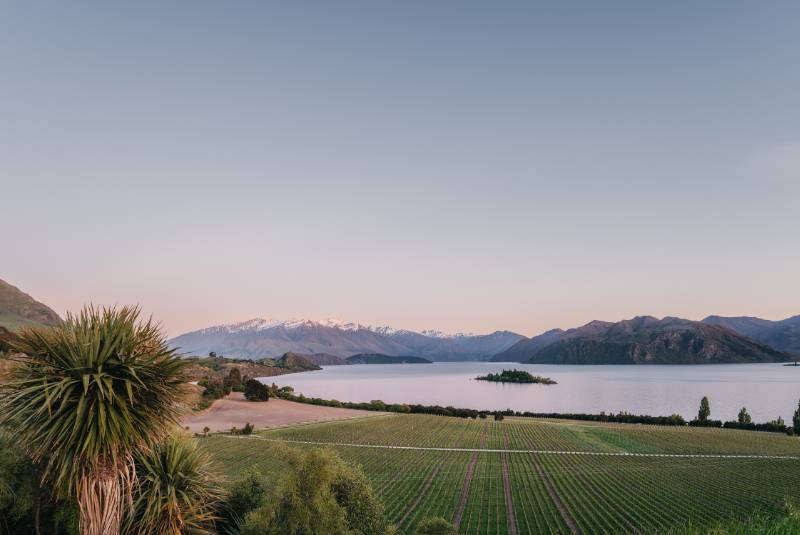
No.98 Felton Road, Central Otago

Felton Road is a pioneer of natural wine and an artisan producer of pinot noir, chardonnay and riesling vintages in New Zealand’s Central Otago region. Surrounded by snow-capped mountains, African Boer goats roam the rugged landscape of these organic and biodynamic vineyards.

No.98 Felton Road, Central Otago
No.90 Kumeu River Wines, Auckland

Kumeu River Wines in Auckland features wines made by New Zealand’s first-ever Master of Wine, Michael Brajkovich. Covering 30 hectares of heavy clay soil over sandstone, the vineyard is known for producing world-class chardonnay.

No.90 Kumeu River Wines, Auckland
No.89 Greystone Winery, Waipara

Greystone Winery in Waipara, on New Zealand’s South Island, is an organic, regenerative wine estate that offers guests off-grid accommodation in a glass eco-cabin overlooking the vineyard.

No.89 Greystone Winery, Waipara
No.52 Wairau River Wines, Marlborough

Wairau River Wines was founded by viticulturalist Hamish Rose and his brother and winemaker, Sam Rose. This idyllic New Zealand vineyard is renowned for crafting award-winning sauvignon blanc.

No.52 Wairau River Wines, Marlborough

The list of The World’s 50 Best Vineyards 2025 has landed.

The World’s 50 Best Vineyards 2025: the 1-50 list revealed

Josh Ong – 19 Nov 2025

The list of The World’s 50 Best Vineyards 2025 has landed.

Browse this year’s ranking of outstanding wineries from across the globe and start planning your next viticultural voyage today.

First, check out New Zealand wineries in The World’s 50 Best Vineyards 2025: the 51-100 list revealed.

New Zealand wineries 1-50 in this prestigious list include:

No.44 Rippon – RE-ENTRY, Central Otago

Located within the world’s most southerly winemaking region, Rippon began its life in 1975 as an experiment by local New Zealand farmer Rolf Mills. Fifty years later, it remains under the watchful eye of the Mills family, and has retained its specialisation in biodynamic, organic wines from high in the Aotearoan hillsides.

No.44 Rippon
No.44 Rippon
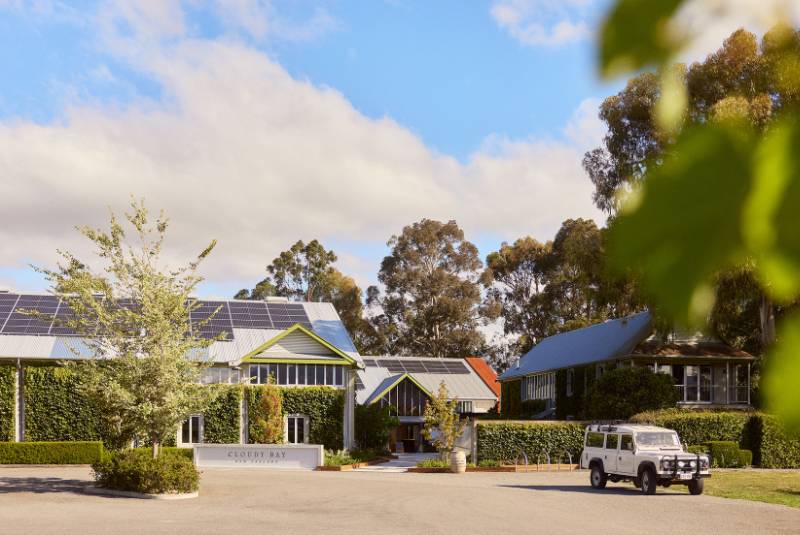
No.26 Cloudy Bay Vineyards – NEW ENTRY, Marlborough

The overwhelming scale and beauty of NZ’s Cloudy Bay Vineyards can be taken in via four-by-four or even by helicopter. But for the ultimate itinerary, tour its vineyards before embarking on its private yacht into the Marlborough Sounds with a glass of signature sauvignon blanc in hand. It’s all-encompassing package earns it the title of The Best Vineyard in Australasia 2025.

No.26 Cloudy Bay Vineyards

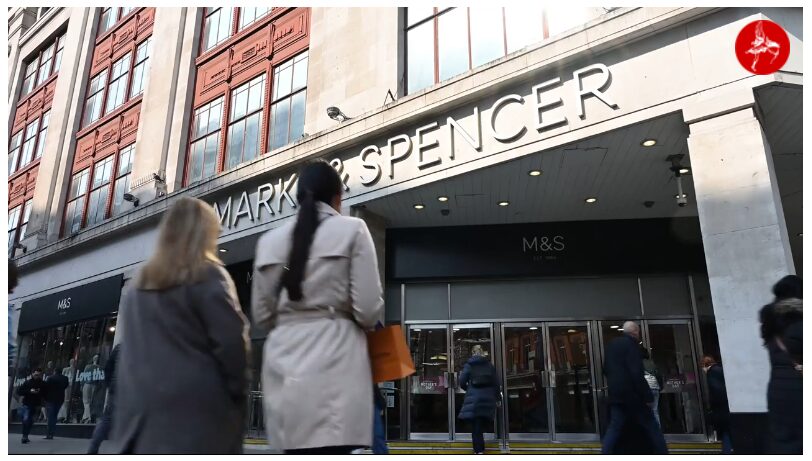
M&S just brought back phenomenal discontinued festive treat that was axed a decade ago

Sian Baldwin, The London Standard | 19 November 2025

This festive sip is already popular with the masses

Christmas is a time for all the yummy food and drink and one leading supermarket has not let us down – bringing back a festive favourite after a very long absence.

M&S has brought back a tipple which was last sold a decade ago, and already customers are snapping it up – meaning it may be in short supply very soon.

Their popular rosé mulled wine has been brought back for 2025, with news that rose is the drink this festive season.

According to Ocado, searches for ‘rosé’ are up by 32 percent compared to this time last year, with sales of rosé already up by 25 percent.

M&S have seen a similar trend.

Stats show that the week before Christmas 2024, rosé sales were double those seen in their biggest week over the summer, selling 144,000 bottles of rosé in the week commencing July 6, compared to a massive 286,000 bottles being sold in the week of December 16.

As a result, M&S have now announced plans to re-release their rosé mulled wine after a 10-year absence on the shelves.

For £6 a bottle the plonk will likely be popular, with shopping bosses now is the right time to re-release the Christmas themed tipple.

Gemma Wright, trading manager for Wine at M&S Food, said: “We’ve definitely seen rosé become a customer favourite all year round. Shoppers are choosing rosé in winter because it works really well with the kinds of food people serve at Christmas. It’s also a lighter, more refreshing option if you don’t fancy a red.”

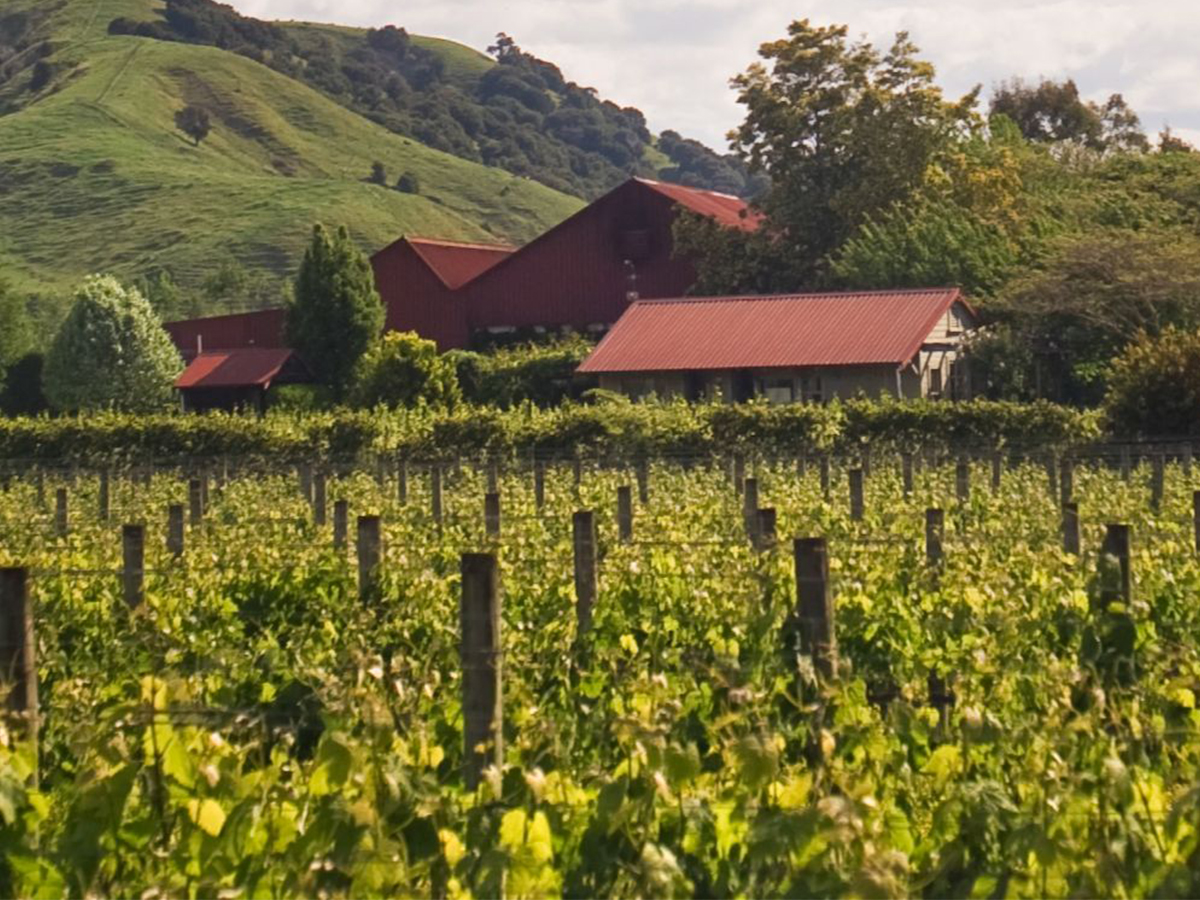
Millton Estate announces final vintage

After more than 40 years as pioneers of the New Zealand wine industry, The Millton Vineyard has announced that its 2025 vintage was their last.

Founded in 1984 by Annie and James Millton, the estate became New Zealand’s first certified organic and biodynamic winery, setting a benchmark for sustainable winemaking.

“We have now decided to retire – both ourselves and the vineyards – we look forward to spending time with our family,” says Annie.

Over the next eight months, they will be gradually winding up the vineyard and winery operations but will continue to offer a range of wines until August 2026, or while stocks last.

“While this chapter is closing, the spirit of the Millton Vineyards will live on,” says Annie. “We have cared for this unique land for five generations, and will leave it in a better state for future generations.

“On behalf of our family and team, thank you for being part of the Millton story. I hope you have the opportunity to enjoy many more glasses of our wine in the months ahead.”