Please note some of this information is from Cambridge Road’s website.
At the Luna evening in August, the presenter Joel Watson mentioned that a fellow local
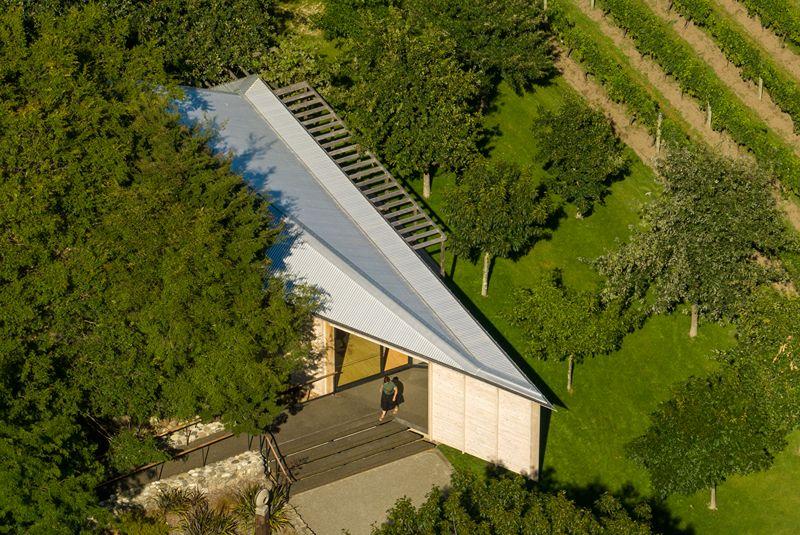
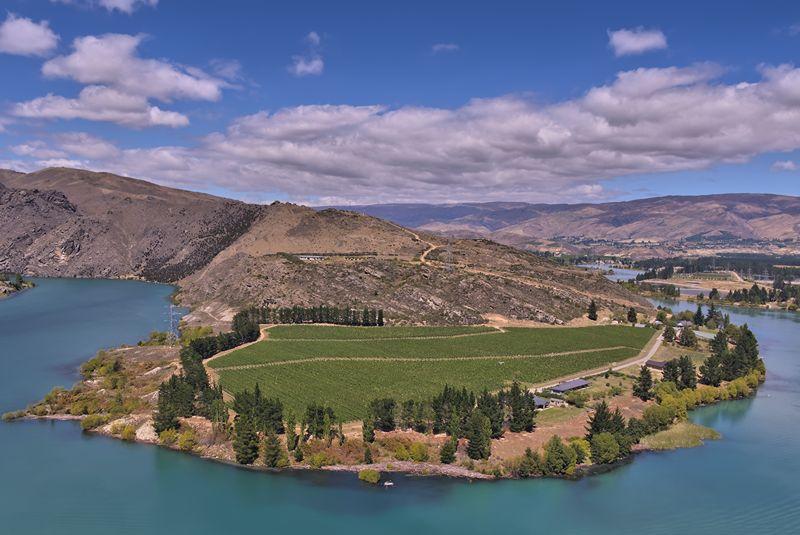
vineyard, Cambridge Road Vineyard, had been experimenting using 90-year-old Totara barrels with two of its wines. So, I contacted the Vigneron, Lance Redgwell to find out more as I was immediately alerted to a potential story, as my husband who writes about whisky, has discovered that a NZ distillery, Pokeno, uses newly made totara barrels for some of its production. These have won gold medals overseas in blind-taste competitions!
The casks in question, crafted in the 1930s, are a far cry from the standard oak barrels of today. Hewn from the forest that carpeted this country, they hark back to a time before Stainless steel and imported European woods. The coopers tradition travelled with the early winegrowers to New Zealand and with them the first wines from this country began to emerge in the late 1800’s.
Ranging from 2,100 to 2,900 litres, these large-format casks, foudre or botte are commonly found in northern Italy, Germany, Austria, and Alsace and often used for high-acid varietals like Nebbiolo, Riesling, and Grüner Veltliner. “They provide lower oxidation levels and a more neutral wood profile,” explains Lance. “But beyond that, they carry mana, history, and a spirit that transcends a mere flavour profile. This is about rekindling a connection to the past and the
early history of winemaking in New Zealand.”
Discovered in a mothballed winery in the far-north town of Kaikohe, these barrels were traced back to the Brajkovich family, best known for their work with Kumeu River Wines in West Auckland. To bring the wood back to life, their restoration comes with immense challenges.
“Like restoring a vintage timber boat, it requires traditional techniques. We’ve had to use draw saws, working with the grain as they would have in the 1920s.
The wood is brittle, and every step requires immense care. It’s an ongoing journey, and we’re not there yet, it will take time.” says Lance Redgwell.
While this is a long-term project, the scale will always be limited by the number of barrels available.
“My hope is that this effort will keep these barrels in use for another 95 years, inspiring future generations to take pride in New Zealand’s winemaking heritage,” says Lance. “And ultimately, my goal is to craft the most distinctly Kiwi wines on the planet— wine that speaks not just of place, but of history, tradition, and the land that nurtures it.”
Cambridge Road has two current wines released which employ Totara cask ageing:
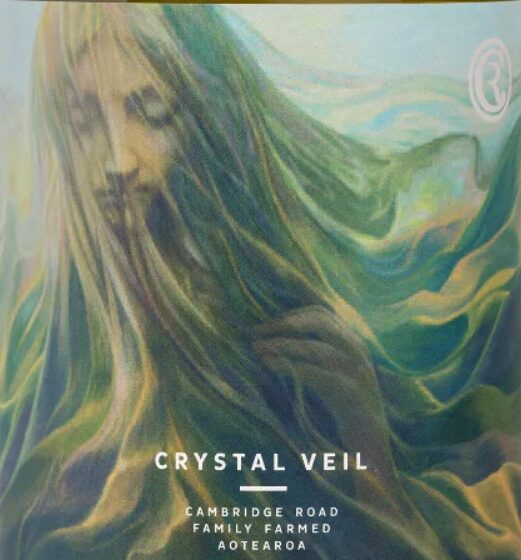
2023 Crystal Veil – rediscovering NZ’s winemaking heritage – a Sauvignon Blanc born in Totara – Sauvignon Blanc Crystal Veil 2023 is both clean and complex. The Totara cask imparts subtle structure and texture, what Lance describes as “a phenolic gift,” giving the wine tension and finesse, along with a faint, lingering memory of fennel seed on the finish. Whole bunch pressed, wild fermented, and left on lees for nearly two years. With zero skin contact, low sulphites (23ppm), and an alcohol level of 12%.
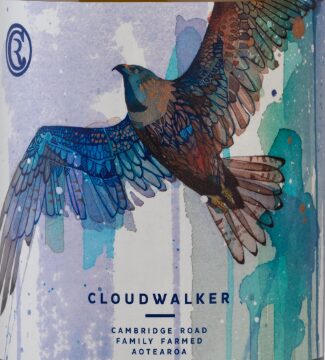
2023 Cloudwalker – this is an orange wine, with varietals of Pinot Gris, Riesling, Pinot Noir. This year’s Cloudwalker sees a more delicate extraction than typical, making it more flexible in terms of end use and food matching. Again, it’s a single vineyard expression looking into the stony, sandy, windswept fringes of the Dry River southwest of town. The Pinot Gris brings colour, spice and stone fruit dimensions, modest levels of Riesling engage further spice and citrus lift. Beyond this a subtle gift of Pinot Rose’ smooths the complexion ever so slightly. This is a wine to enjoy immediately or sometime in the next 5-6 years. Lean toward aromatic curries, brown butter, nuts and mandarin, green peppercorn, white fish & capers, that kind of direction for food matches.
View the extended list of The World’s 50 Best (actually 51st to 100th) Vineyards.
The list of The World’s 50 Best Vineyards 2025 will be revealed at a live awards ceremony in Margaret River, Western Australia, on 19 November.
From established names to rising stars, find out more about the storied estates ranked 51st to 100th in the global ranking, each of which dazzles with world-class terroir, immersive visitor experiences, and unforgettable hospitality.
The 51-100 New Zealand wineries in this prestigious list include:
No.100 Ata Rangi, Martinborough
Ata Rangi in Martinborough is a boutique, organic estate that has earned New Zealand Grand Cru status. It was founded by a dairy farmer who successfully turned his hand to grape growing (with the help of his wife and sister), hence its name, which translates to ‘new beginnings.’
No.100 Ata Rangi, Martinborough
No.98 Felton Road, Central Otago
Felton Road is a pioneer of natural wine and an artisan producer of pinot noir, chardonnay and riesling vintages in New Zealand’s Central Otago region. Surrounded by snow-capped mountains, African Boer goats roam the rugged landscape of these organic and biodynamic vineyards.
No.98 Felton Road, Central Otago
No.90 Kumeu River Wines, Auckland
Kumeu River Wines in Auckland features wines made by New Zealand’s first-ever Master of Wine, Michael Brajkovich. Covering 30 hectares of heavy clay soil over sandstone, the vineyard is known for producing world-class chardonnay.
No.90 Kumeu River Wines, Auckland
No.89 Greystone Winery, Waipara
Greystone Winery in Waipara, on New Zealand’s South Island, is an organic, regenerative wine estate that offers guests off-grid accommodation in a glass eco-cabin overlooking the vineyard.
No.89 Greystone Winery, Waipara
No.52 Wairau River Wines, Marlborough
Wairau River Wines was founded by viticulturalist Hamish Rose and his brother and winemaker, Sam Rose. This idyllic New Zealand vineyard is renowned for crafting award-winning sauvignon blanc.
New Zealand wineries 1-50 in this prestigious list include:
No.44 Rippon – RE-ENTRY, Central Otago
Located within the world’s most southerly winemaking region, Rippon began its life in 1975 as an experiment by local New Zealand farmer Rolf Mills. Fifty years later, it remains under the watchful eye of the Mills family, and has retained its specialisation in biodynamic, organic wines from high in the Aotearoan hillsides.
No.44 Rippon
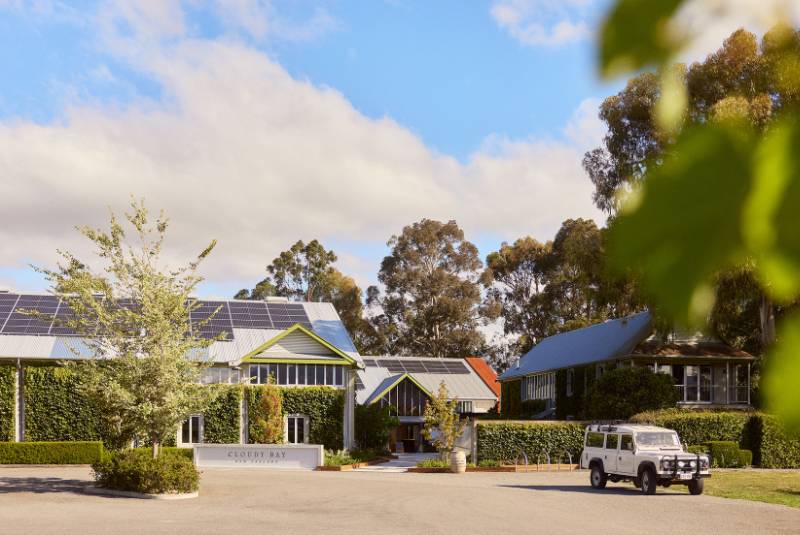
No.26 Cloudy Bay Vineyards – NEW ENTRY, Marlborough
The overwhelming scale and beauty of NZ’s Cloudy Bay Vineyards can be taken in via four-by-four or even by helicopter. But for the ultimate itinerary, tour its vineyards before embarking on its private yacht into the Marlborough Sounds with a glass of signature sauvignon blanc in hand. It’s all-encompassing package earns it the title of The Best Vineyard in Australasia 2025.
Two parallel universes of Marlborough Sauvignon Blanc exist: one in which quantities are measured in shipping-container units destined for grocery stores everywhere, the other where artisan winemakers work ceaselessly to demonstrate that terroir and craftsmanship can speak through one of the world’s most popular wine styles.
The latter being a more interesting place to live and drink, let’s take a look at the latest efforts of Appellation Marlborough, the group of more than 65 producers dedicated to evangelizing and showcasing the sub-regionality of New Zealand’s largest and most misunderstood wine appellation.
This group of producers, most of them small, has spent considerable effort seeking out, studying, and making wine from the many distinct areas of Marlborough, each with its own microclimates and geologies. The resulting wines demonstrate that not all Marlborough Sauvignon Blanc is created equal.
Which is to say, not all of it is farmed conventionally to massive yields, harvested mechanically, deliberately worked a bit harder to increase those famous green flavors, fermented at low temperatures with thiol-driven yeast strains to further amplify tropicality, and left just slightly sweet for its millions of adoring fans around the world.
Savvy Artisans
The official subregional map of Marlborough courtesy of Appellation Marlborough
Instead, we have entered an age of single-vineyard–designated Sauvignon Blancs capable of expressing the nuances of site and vintage variation. Some of these wines are fermented in oak and built in a more classic French style for aging, while others are fermented with ambient or more neutral yeasts. All prove far more interesting than your typical $10 supermarket Savvy.
In the service of telling this story, the folks at Appellation Marlborough recently began assembling an annual collection of wines to send to writers and critics around the world, serving as ambassadors for this newer, more nuanced world of Marlborough Sauvignon Blanc.
Labeled the Appellation Marlborough Collection, this set of 12 wines was selected from more than 90 submissions through a blind tasting conducted by Stephen Wong MW and Cameron Douglas MS of New Zealand, and Toni Paterson MW of Australia.
Primarily featuring the 2025 vintage, the collection also includes a couple of wines each from 2024 and 2023.
One Helluva Vintage
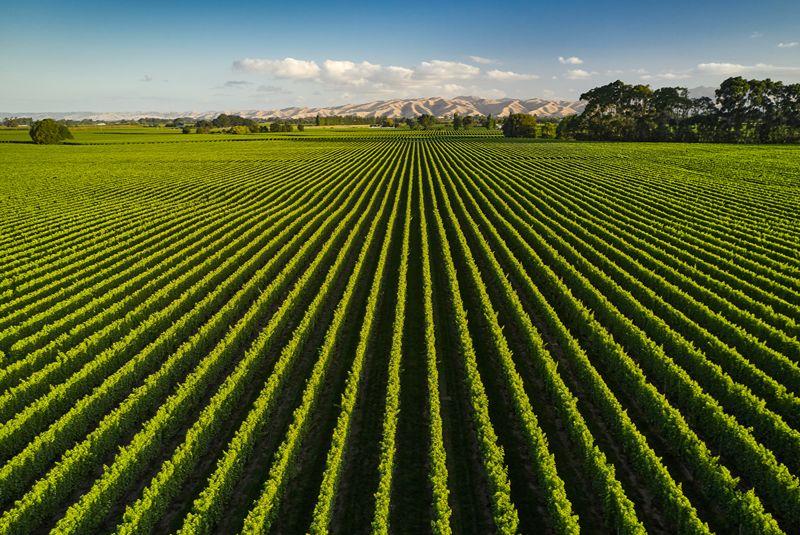
A view of vineyards in the Wairau Valley
By all accounts, the 2025 vintage in Marlborough came as a welcome relief after several tough years in the region, which is still reeling from post-pandemic market fluctuations, challenging seasons in 2021 and 2023, swings from undersupply to oversupply, and a 2022 vintage that nearly went unpicked due to COVID lockdowns.
In contrast to those troubles, 2025 was about as serene as vintages get, with a mild spring, untroubled (if slightly early) flowering, and higher-than-average yields. What began as a warm summer turned cooler in January and February, extending the season and slowing ripening in ways that tend to get winemakers very excited and happily jabbering about flavor development and phenological ripeness.
In short, you would have had to take your eye off the ball considerably to make bad wine in 2025. Most producers seem positively delighted with the quality of their wines, and based on my tasting below, I would tend to agree.
These twelve wines are wonderful examples of the quality and individuality to be found in New Zealand Sauvignon Blanc, for those willing to take a little time, a bit of effort, and spend just a little more.
Tasting Notes
Not all of these wines are exported to the US, and in the case of one, not exported at all. I have made my best guess at what US pricing would be for those wines that are not easily found online.
Palest gold in color, this wine smells of blackcurrant leaf and lime zest with a hint of wet wool. In the mouth, stony flavors of lemon pith, green apple, black currant leaf, and wet wool have an interesting savory quality and a faintly chalky texture. Excellent acidity with a stony resonance in the finish. Regeneratively farmed fruit, 25-year-old vines, machine harvested. Fermented in stainless steel and matured on light lees. 13% alcohol. 2 g/l residual sugar. Closed with a screwcap. NZWG-certified sustainable. Vegan. Score: between 9 and 9.5.
2025 Clos Henri “Estate” Sauvignon Blanc, Central Wairau, Wairau, Marlborough, New Zealand
Palest gold in the glass, this wine smells of lemon and pomelo pith mixed with a hint of green apple. In the mouth, wonderfully bright lime and lemon zest flavors have a faint salinity and a lovely wet pavement minerality. There’s a quivering electricity to this wine that is extremely compelling. A hint of passionfruit and green apple lingers in the finish. Certified organic grapes are machine harvested, and free run juice is fermented in stainless steel and ages for 3 months on the lees with battonage. 13.5% alcohol. Less than 1 g/l residual sugar. Closed with a screwcap. Score: between 9 and 9.5.
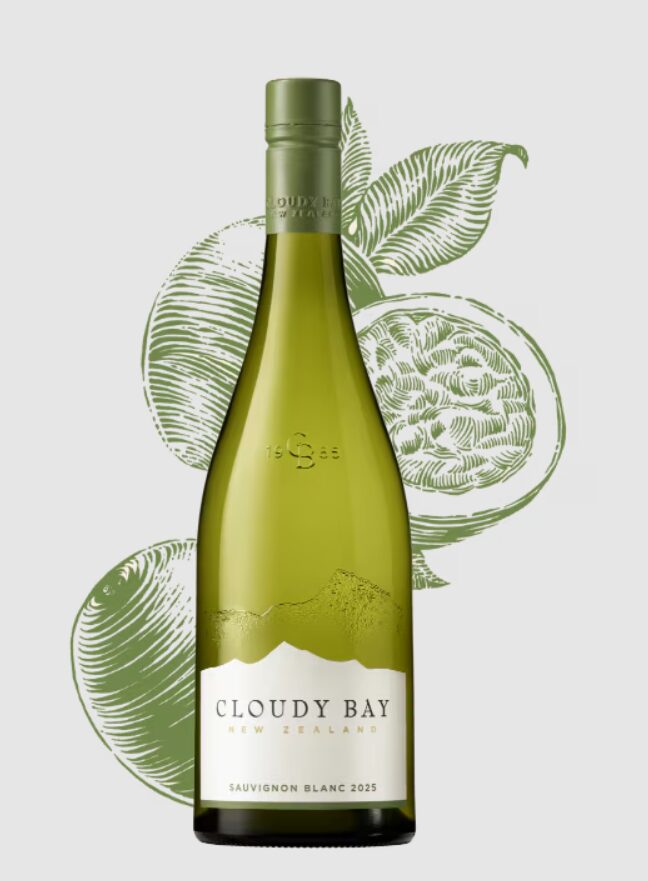
2025 Cloudy Bay Sauvignon Blanc, Wairau, Marlborough, New Zealand
Palest gold in the glass, this wine smells of passionfruit and guava with a hint of candied lime. In the mouth, crisp green apple and passionfruit flavors mix with a touch of lime zest. Very good acidity. Fermented in stainless steel with around 1.8% of the final blend fermented in large-format oak, and another portion fermented with ambient yeasts. 13.5% alcohol. Closed with a screwcap. Score: between 8.5 and 9.
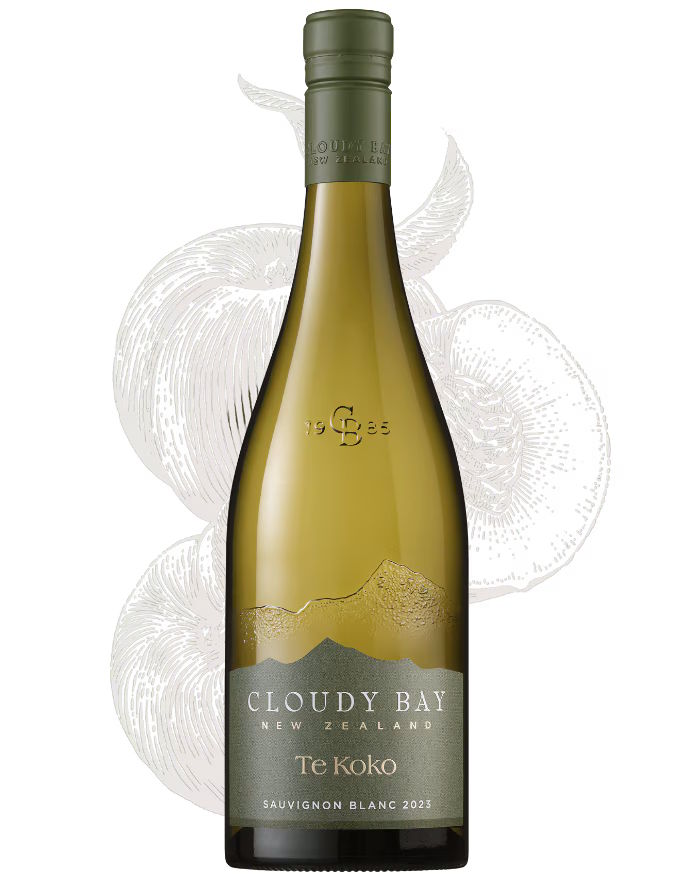
2023 Cloudy Bay “Te Koko” Sauvignon Blanc, Wairau, Marlborough, New Zealand
Pale gold in color, this wine smells of struck match, lemon, and lime pith, with a hint of crushed nuts. In the mouth, bright lemon peel, nut skin, and notes of vanilla mix with a silky texture and a touch of salinity. Excellent acidity and nice length. After pressing, the juice is settled for 24 hours and then racked into 7% new French oak barrels and large format cuves, where it ferments with a combination of ambient and commercial yeasts. It then ages for 11 months on the fine lees in a combination of vessels, including small and large-format barrels as well as concrete. 13.5% alcohol. Closed with a screwcap. Score: around 9.
2023 Greywacke “Wild” Sauvignon Blanc, Marlborough, New Zealand
Pale gold in the glass, this wine smells of citrus pith and a hint of roasted nuts. In the mouth, mouthwatering flavors of crushed nuts, lemon peel, pomelo pith, and wet chalkboard have a lovely, faint salinity to them and a hint of toasted oak that lingers in the finish. A mix of machine and hand harvesting fruit, which is then lightly pressed and cold settled before being fermented with ambient yeasts in oak barrels, a “small percentage of which” were new. Fermentation lasted nearly 6 months, and the wine was aged for another 12 months with occasional lees stirring. Around two-thirds went through malolactic conversion. 13.5% alcohol. Closed with a screwcap. Score: around 9.
Pale gold in color, this wine smells of passionfruit and orange peel. In the mouth, bright passionfruit and gooseberry flavors mix with green apple and a faint saline brightness. Excellent acidity and lovely purity. 12.7% alcohol. 3.1 g/l residual sugar. Closed with a scerwcap. Vegan. Score: around 9.
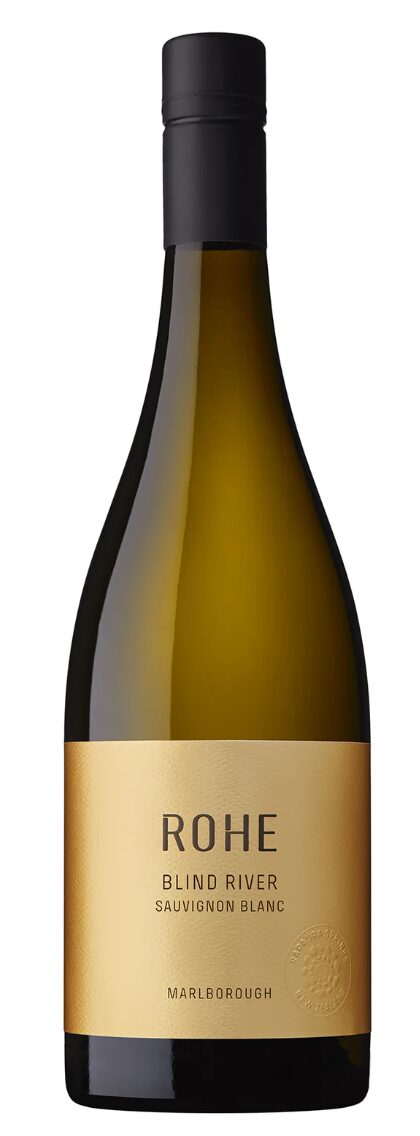
2025 Rohe Sauvignon Blanc, Blind River, Marlborough, New Zealand
Palest gold in the glass, this wine smells of green apple, cut grass, and wet pavement. In the mouth, green apple and guava flavors have a lovely stony quality and a faint herbal note that lingers in the finish along with notes of lime pith. Very good acidity. After pressing, the juice was fermented in stainless steel at various temperatures. Aged for three months before bottling. 13% alcohol. 4.6 g/l residual sugar. Closed with a screwcap. Score: between 9 and 9.5.
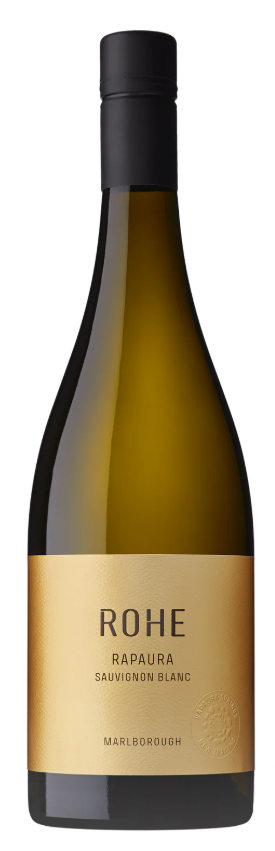
2025 Rohe Sauvignon Blanc, Rapaura, Marlborough, New Zealand
Palest gold in the glass, this wine smells of cut grass, kiwifruit, and lime zest. In the mouth, zippy lime and green guava flavors have a salinity to them and a hint of a grassy herbal note that creeps into the finish with a touch of honeydew melon. After pressing, the juice was fermented in stainless steel at various temperatures. Aged for three months before bottling. 13% alcohol. 4.1 g/l residual sugar. 13% alcohol. Closed with a screwcap. Score: between 9 and 9.5.
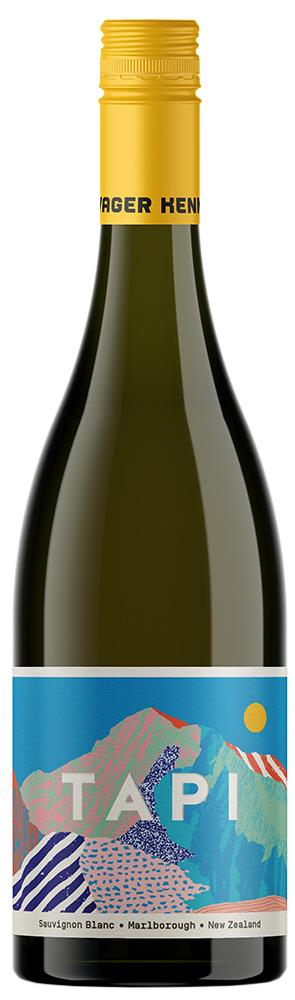
2025 TAPI Sauvignon Blanc, Marlborough, New Zealand
Pale gold in the glass, this wine smells of salty green apple and passionfruit. In the mouth, bright passionfruit flavors mix with wet pavement and a lovely lemon pith note. Very good acidity and a silky texture round out the aromatic package. The machine-picked and pressed into stainless steel for fermentation, with 10% of the wine fermented in old oak barrels. Aged on its lees for 4 months before bottling. 13% alcohol. 3.5 g/l residual sugar. Closed with a screwcap. Vegan. Score: between 8.5 and 9.
2024 Te Pā “Oke” Sauvignon Blanc, Lower Wairau, Wairau, Marlborough, New Zealand
Pale gold in color, this wine smells of toasted oak, candied lemon peel, and lime leaf. In the mouth, bright lemon peel and pith mix with a touch of vanilla and roasted nuts, as a silky texture lingers on the palate with a hint of salinity. Hand-picked and whole-bunch pressed into 320L cigares for fermentation with ambient and non-Saccharomyces yeasts. Left unsulphured on gross lees over the winter, then racked to neutral barrels for another 6 months of aging. 13.5% alcohol. 2 g/l residual sugar. Closed with a screwcap. Score: around 9.
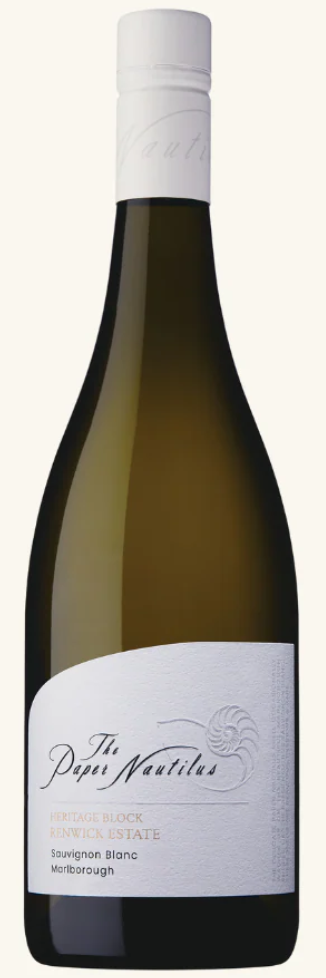
2024 Nautilus “The Paper Nautilus” Sauvignon Blanc, Marlborough, New Zealand
Pale gold in the glass, this wine smells of honeysuckle, candied lemon peel, and white flowers. In the mouth, faintly sweet flavors of lemon peel, lime pith, and pink grapefruit have a nice filigreed acidity. There’s a sweet lemon cucumber note that lingers in the finish. Hand-picked and whole-bunch pressed, then settled before racking into a 13-year-old 5000L French oak cuve for fermentation. Inoculated with a non-Saccharomyces yeast for a 30-day fermentation. Then matured on lees for another 8 months before bottling. 13.5% alcohol. 3.4 g/l residual sugar. Closed with a screwcap. Vegan. Score: between 8.5 and 9.
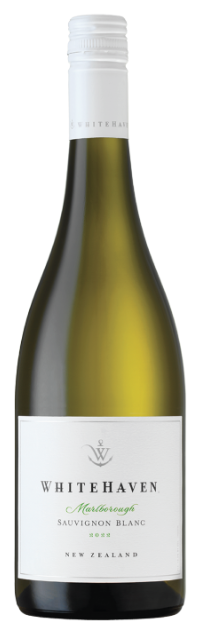
2025 Whitehaven Sauvignon Blanc, Marlborough, New Zealand
Near colorless in the glass, this wine smells of blackcurrant leaf, green apples, and a hint of that classic feline aroma. In the mouth, crisp green guava, green apple, lemon pith, and lime leaf. Very good acidity and a faint grassy salinity round out the package. Machine-harvested and then pressed. Juice settled and then fermented in stainless steel. Aged on light lees in tank for 2 months before bottling. Sterile filtered. 13% alcohol. 1.4 g/l residual sugar. Closed with a screwcap. NZWG-certified sustainable. Vegan. Score: between 8.5 and 9.
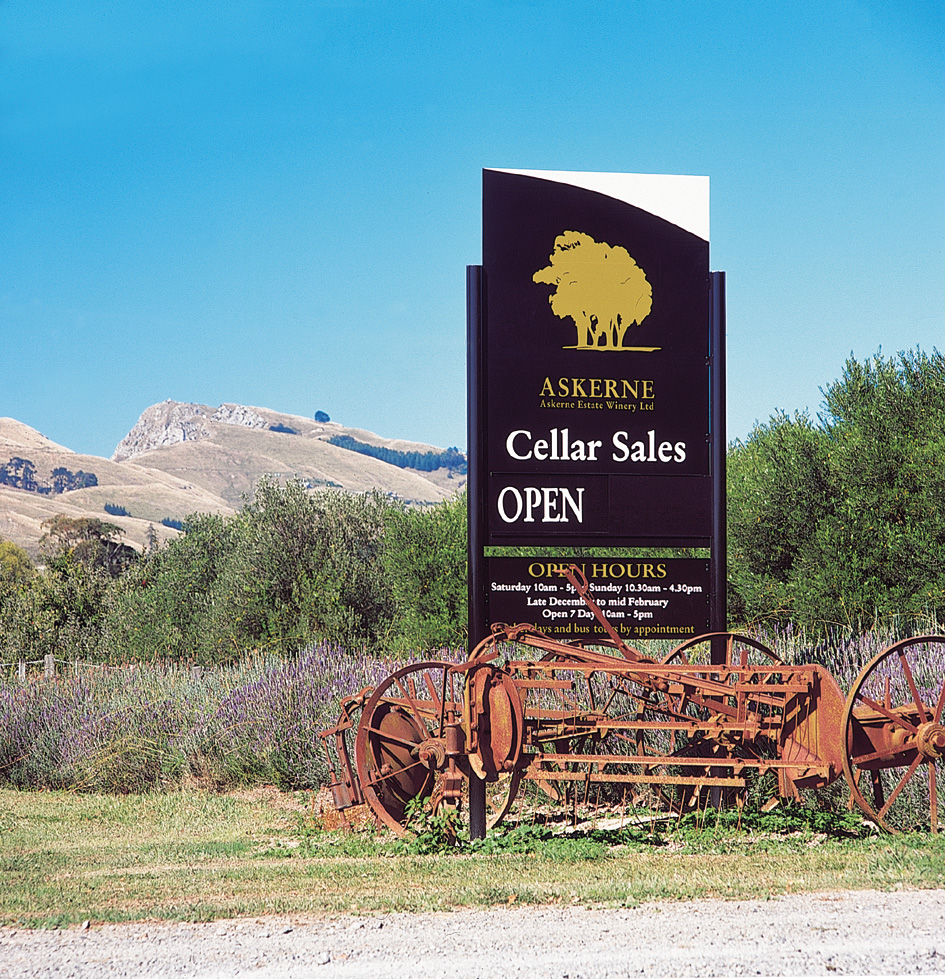
Askerne Hawkes Bay
267 Te Mata Mangateretere Rd, Havelock North
Presenter – John Loughlin, Co-Founder and Director
Wednesday 11th February 8 pm start
Door Price: to be advised later
Askerne Estate winery commenced in April 1993 when wine lovers John and Kathryn Loughlin purchased the original 11.6 hectares site in Te Mata Mangateretere Road. John and Kathryn had studied winemaking and viticulture in the previous years with Kathryn, as the more diligent student, achieving the higher grades.
They called the property Askerne, being the olde English name of Kathryn’s birthplace, Askern in Yorkshire, England.
Sauvignon Blanc vines were planted in late 1993, Semillon and Riesling in 1994, Chardonnay in 1995 and Gewürztraminer in 1996. The first wines were made at the Waimarama Estate Winery (then owned by Dr John Loughlin, John’s father) in 1996.
In February 1997, the Askerne cellar door was opened to the public, and it also sold Waimarama Estate’s red wines, including the then famous Waimarama Dessert Cabernet.
The 1997 vintage produced very fine wines from Sauvignon Blanc, and Chardonnay which confirmed the potential of the site. Askerne commenced exporting with wines from the 1997 vintage. It was a complete surprise to us when our Sauvignon Blanc won an award in The Netherlands as the best match with a cigar. It was not something we thought of in making the wine, nor have subsequently aspired to.
In 1998 Dr John Loughlin sold Waimarama Estate Winery and from the 1999 vintage, Askerne’s wines were made on site. The cellar door building was expanded to accommodate winemaking activities. The first red wine grapes were planted. Also, in 1999 the first Botrytis Semillon wine was made, and the first componentry was created for the Noble Noir wine which was first released in 2013.
In the significantly frost-affected 2001 the first red grapes were harvested, and a Cabernet Merlot Franc blend and Dessert Cabernet were made. Both these red wine styles were encouraging examples of the desired styles. A Chardonnay from the 2001 vintage won Askerne’s first gold medal.
In 2004 a new purpose-built winery was completed, only hours before it was used for vintage. The 2005 vintage saw the first multi-awarded wine with our Gewürztraminer winning double golds. The 2006 vintage saw the first trophy which was taken by our Noble Semillon. The 2007 vintage saw Askerne produce a Gewürztraminer that won 5 gold medals and a trophy.
Large vintages in 2008, 2009 and 2010 coincided with the global financial crisis and a downturn in business as customers changed and downsized and the market moved to cheaper price points. Export channels also dried up for Askerne. They launched their first white and gold label Rouge and Blanc blends as lower tier responses and sold them directly to consumers. Most of the fruit from the 2011 and 2012 vintages were sold as we sought to rebalance inventories with demand.
In 2014 Askerne commenced an exporting relationship in China with Beijing Touch World International Trading Company.
The 2018 vintage proved to be a great one and saw the launch of two of the planned new wine styles being a Sauvignon Blanc / Sauvignon Gris / Semillon blend and the first of the Icon series of wines in “The Archer” Chardonnay.
Cairn Coghill
2018 also saw the 25th anniversary of the Askerne venture and was a time to think about the past and present The 2019 vintage was another excellent one which saw a second Icon wine produced in a Syrah called “Tere” which speaks of our site on Te Mata Mangateretere Road, adjoining the Tuki Tuki River.
The 2020 vintage was spectacular in terms of climate and quality. It was also unusual in terms of vintage operations which coincided with the covid-19 global pandemic, but Askerne was able to operate as an essential business.
From the 2020 vintage we added a new product to our range, being the first Sérieux rosé which was made from a blend of Carménère and Mourvèdre.
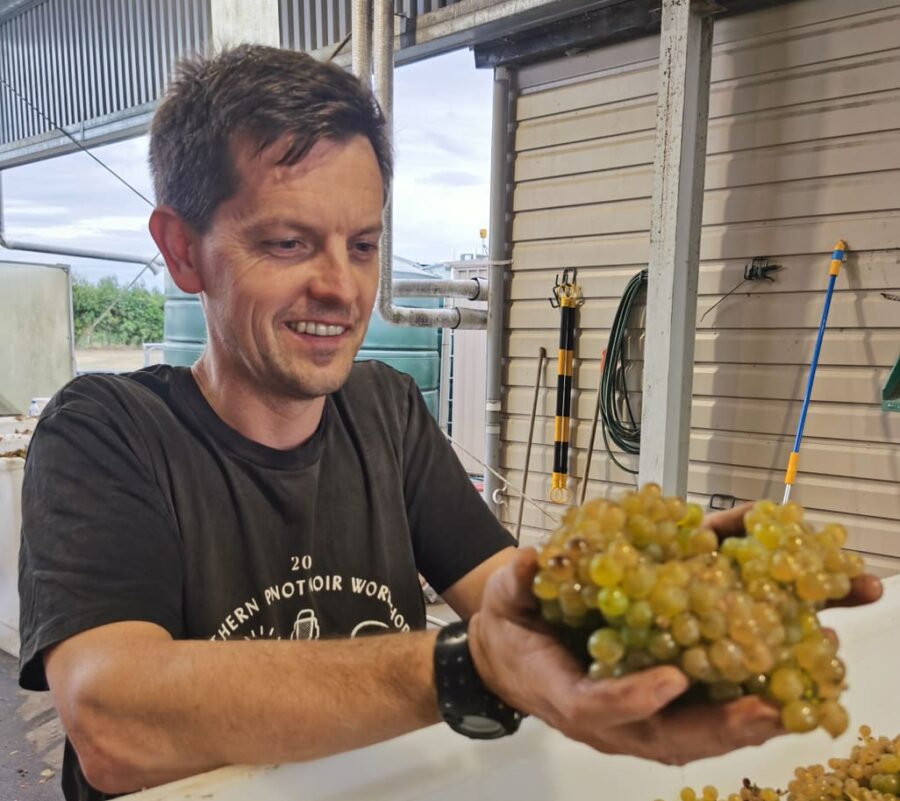
In January 2021 Cairn Coghill joined the Askerne team as winemaker.


 Please note some of this information is from Cambridge Road’s website.