Askerne Hawkes Bay
267 Te Mata Mangateretere Rd, Havelock North
Presenter – John Loughlin, Co-Founder and Director
Wednesday 11th February 8 pm start
Door Price: to be advised later
Askerne Estate winery commenced in April 1993 when wine lovers John and Kathryn Loughlin purchased the original 11.6 hectares site in Te Mata Mangateretere Road. John and Kathryn had studied winemaking and viticulture in the previous years with Kathryn, as the more diligent student, achieving the higher grades.
They called the property Askerne, being the olde English name of Kathryn’s birthplace, Askern in Yorkshire, England.
Sauvignon Blanc vines were planted in late 1993, Semillon and Riesling in 1994, Chardonnay in 1995 and Gewürztraminer in 1996. The first wines were made at the Waimarama Estate Winery (then owned by Dr John Loughlin, John’s father) in 1996.
In February 1997, the Askerne cellar door was opened to the public, and it also sold Waimarama Estate’s red wines, including the then famous Waimarama Dessert Cabernet.
The 1997 vintage produced very fine wines from Sauvignon Blanc, and Chardonnay which confirmed the potential of the site. Askerne commenced exporting with wines from the 1997 vintage. It was a complete surprise to us when our Sauvignon Blanc won an award in The Netherlands as the best match with a cigar. It was not something we thought of in making the wine, nor have subsequently aspired to.
In 1998 Dr John Loughlin sold Waimarama Estate Winery and from the 1999 vintage, Askerne’s wines were made on site. The cellar door building was expanded to accommodate winemaking activities. The first red wine grapes were planted. Also, in 1999 the first Botrytis Semillon wine was made, and the first componentry was created for the Noble Noir wine which was first released in 2013.
In the significantly frost-affected 2001 the first red grapes were harvested, and a Cabernet Merlot Franc blend and Dessert Cabernet were made. Both these red wine styles were encouraging examples of the desired styles. A Chardonnay from the 2001 vintage won Askerne’s first gold medal.
In 2004 a new purpose-built winery was completed, only hours before it was used for vintage. The 2005 vintage saw the first multi-awarded wine with our Gewürztraminer winning double golds. The 2006 vintage saw the first trophy which was taken by our Noble Semillon. The 2007 vintage saw Askerne produce a Gewürztraminer that won 5 gold medals and a trophy.
Large vintages in 2008, 2009 and 2010 coincided with the global financial crisis and a downturn in business as customers changed and downsized and the market moved to cheaper price points. Export channels also dried up for Askerne. They launched their first white and gold label Rouge and Blanc blends as lower tier responses and sold them directly to consumers. Most of the fruit from the 2011 and 2012 vintages were sold as we sought to rebalance inventories with demand.
In 2014 Askerne commenced an exporting relationship in China with Beijing Touch World International Trading Company.
The 2018 vintage proved to be a great one and saw the launch of two of the planned new wine styles being a Sauvignon Blanc / Sauvignon Gris / Semillon blend and the first of the Icon series of wines in “The Archer” Chardonnay.
Cairn Coghill
2018 also saw the 25th anniversary of the Askerne venture and was a time to think about the past and present The 2019 vintage was another excellent one which saw a second Icon wine produced in a Syrah called “Tere” which speaks of our site on Te Mata Mangateretere Road, adjoining the Tuki Tuki River.
The 2020 vintage was spectacular in terms of climate and quality. It was also unusual in terms of vintage operations which coincided with the covid-19 global pandemic, but Askerne was able to operate as an essential business.
From the 2020 vintage we added a new product to our range, being the first Sérieux rosé which was made from a blend of Carménère and Mourvèdre.
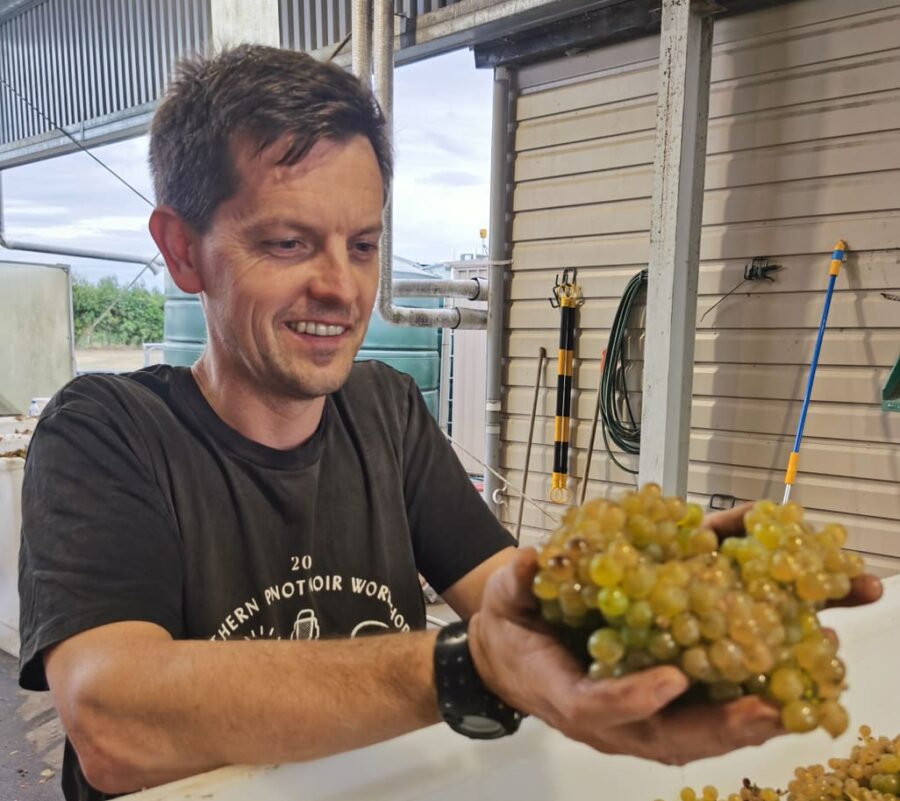
In January 2021 Cairn Coghill joined the Askerne team as winemaker.
The 2025 New Zealand wine harvest has been widely welcomed following 2024’s reduced yields. Across the regions, winemakers reported not only a normalisation of volumes but also excellent fruit quality – notable in a country where diverse geography often leads to variability.
A warm, dry spring set the season up well, though a cooler, wetter December and January period tested nerves before settling into a classic Indian summer. While perhaps not as straightforward as the outstanding 2024 vintage, 2025 looks set to produce wines of finesse and charm across the regions and varieties, with the first releases just months away.
Auckland
Michael Brajkovich MW of Kumeu River expressed relief at a ‘normal’ sized vintage after two seasons down by 35-40%. Auckland experienced the driest summer since 1958, with consistent warmth but no heat spikes.
‘The fruit ripened evenly and with gradual aroma and flavour development,’ Brajkovich said. Chardonnay was once again the star, arriving early and in pristine condition.
Gisborne
Described as a ‘magnificent vintage’ by Kirsten Searle of Matawhero, 2025 brought full physiological ripeness and a return to normal yields after two lighter years. Chardonnay excelled, providing excellent fruit for both table wines and sparkling bases.
Searle also highlighted the Gewürztraminer from Matawhero’s Riverpoint vineyard as particularly impressive – a fitting celebration for the winery’s 50th anniversary.
Hawke’s Bay
There is genuine excitement in Hawke’s Bay, with some suggesting that 2025 may rival the renowned 2013 vintage. Ben Tombs noted Craggy Range’s earliest-ever harvest, with Chardonnay off the Gimblett Gravels picked on 8 February.
Whites show ‘electric flavour profiles with moderate alcohol’ while Syrah, despite late-summer humidity challenges, enjoyed extended hang time without excessive sugar accumulation, promising finely structured, vibrant reds.
Wairarapa
After four small vintages, Martinborough celebrated a strong yield. A relatively calm spring and lighter winds led to strong shoot growth and abundant flowering. Intensive canopy management paid off with Pinot Noir showing a savoury, charming profile.
Tombs commented on lower acidity and softer tannins compared to the more firmly structured recent vintages at Craggy Range’s Te Muna vineyard.
Nelson
Todd Stevens of Neudorf reflected positively on the vintage: ‘It’s still early but the whites appear beautifully balanced, while the Pinots show poise and should present very well.’ Initial signs point to good consistency across this smaller but significant region.
Marlborough
Murray Cook of Dog Point summed up 2025 as ‘a season of patience’. ‘With generous yields, the fruit took some time to ripen fully. Thankfully, we were blessed with classic dry and warm conditions which kept fruit quality high over what was our longest harvest period (46 days) in 24 years,’ he added.
However, with global inventories still high amid flat consumption and geopolitical uncertainties, many producers opted to leave fruit on the vines. The upside: only the best fruit was picked and consumers can look forward to excellent quality from this key region.
North Canterbury
A rollercoaster year, with Greystone’s Dom Maxwell describing it as one that ‘challenged us, then offered a lot, then challenged us again, and finally delivered in the end’.
Pure fruit flavours and clean fermentations made it a worthwhile ride. ‘We’re excited about the quality we have in the winery,’ Maxwell added.
Central Otago / Waitaki
Valli’s Jen Parr described an unusually compressed harvest of around half the usual span. Despite spring frosts affecting yields, she was thrilled with the ‘tremendous concentration’ and ‘crazy colour’, particularly in Gibbston and Bendigo.
Small berries and clean fruit were common themes with Parr commenting that wines possess richness and an appealing ‘joyful’ quality that should drink well young but also reward a few years in bottle.
The Waitaki Valley – often marginal – had one of its best vintages in recent years, for both ripeness and volume.
What a brilliant evening, presented by the owner’s son, who is someone who is involved in all aspects of the vineyard and grew up helping with the set-up and expansion of the same.
We had 34 club members attend, with a good number of orders.
The wines are made in the Alsatian style, rather than French or Italian style, which makes them on the slightly drier side, and entirely enjoyable!
It was nice to hear the pitfalls that the owners have gone through with the set-up involving the terroir and the different varieties they wanted to grow, the solutions that were presented to them that they accepted and the way the business has grown with that vision intact.
The wines we tasted during the evening were:
2023 Pinot Noir Rosé
2023 Pinot Gris
2023 Sauvignon Blanc ‘Five Barrels’
2024 Riesling ‘Eight Rows’
2023 The Sum of Us (Gertz, Pinot Gris and Riesling)
2024 Gewurztraminer ‘Tilly Vineyard’
2019 Pinot Noir
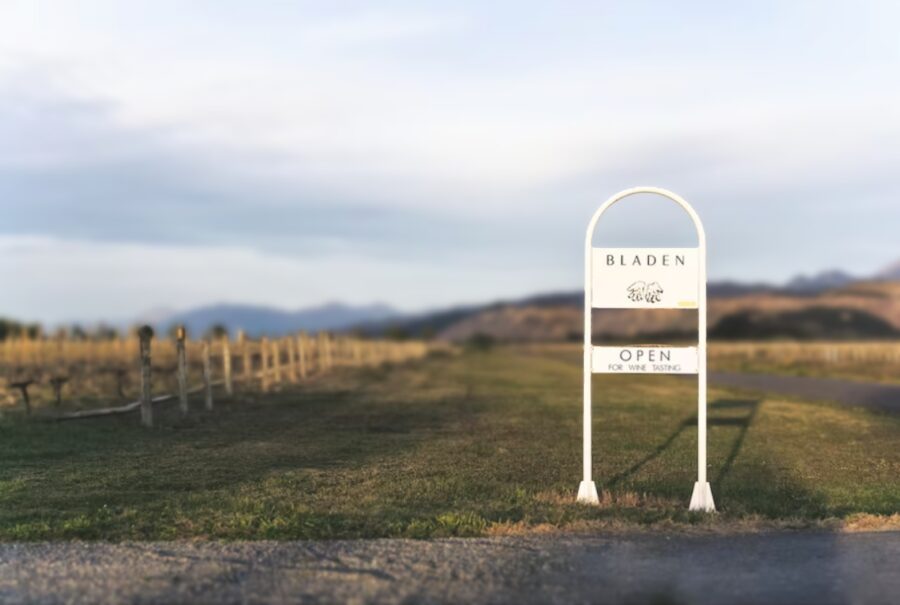
As a reminder to members: Bladen is now closed for tastings for the Winter; reopening 25th October 2025, at 83 Conders Bend Road, Renwick.
Cellar Door Bladen Wines – 83 Conders Bend Road, Renwick, Marlborough
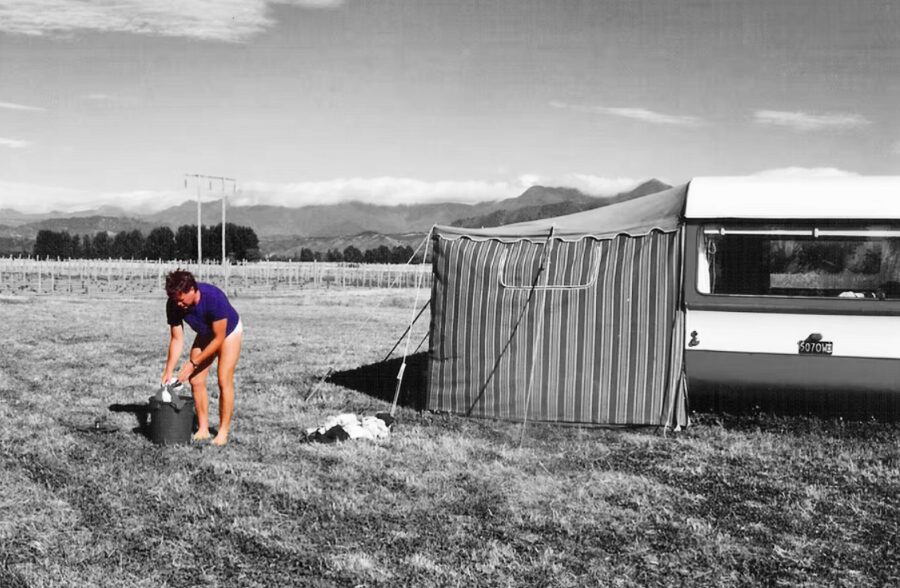
In 1989, Christine and Dave Macdonald left their city lives behind to realise their dream of establishing a vineyard and winery. With caravan in tow the family embarked on a national tour to find the ideal winegrowing region and vineyard location.
Settling in Marlborough, they planted their vineyard by hand, initially growing grapes for local wineries before creating their own wines under the Bladen name. Chris and Dave quickly developed a reputation for making exceptional cool climate wines.
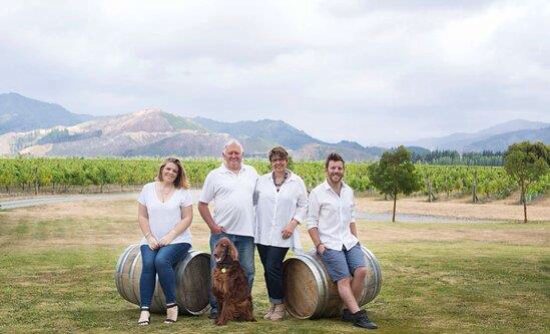
The Bladen name refers to Chris and Dave’s children – Blair and Deni – who were toddlers when the vineyard was developed.
Chris and Dave Macdonald are proud to be amongst the pioneers of the Marlborough winegrowing region. There were only eight wineries in the Marlborough district in 1989 when they established their vineyard.
Blair will be presenting the following wines at our tasting:
2023 Pinot Noir Rosé
2023 Pinot Gris
2023 Sauvignon Blanc ‘Five Barrels’
2024 Riesling ‘Eight Rows’
2023 The Sum of Us (Gertz, Pinot Gris and Riesling)
2024 Gewurztraminer ‘Tilly Vineyard’
2019 Pinot Noir
Bladen is currently closed for the Winter, reopening on 25th October 2025.
What a brilliant evening! Organised by Wayne and hosted by Michelle Fraser from Clearview, a wine judge in her own right, plus with an extensive knowledge of viticulture and wine making.
Due to illness and holidays, we had only 27 attend the evening, but book your diaries for next year, as this may be repeated with next year’s Gold Medal Winners!
Michelle filled the evening with knowledgeable tips about the different growing regimes, different classes of grapes, the different way grapes are treated/processed, i.e. in stainless steel or oak barrels, skins in or out; plus her sayings that kept us laughing:
ABC – Anything But Chardonnay
Pinot Gris – Puma wine, younger girls juice
Chardonnay – Cougar wine, older women’s juice
Gewurztraminer – how to says this: Girls Get Meaner
She gave us updates on what some of the bigger personalities in the Hawkes Bay area are now doing, with Gordon Russell now in retirement, until he decides what his next project will be. However, his daughters are now up and running through their new brand Three Fates.
This was an evening that was full of surprises, and to those of you who couldn’t make it, the below wines that we tasted are available from New World, The Good Wine Company, and other NZ locations.
Lindauer Special Reserve Rose NV -Gold Trophy from a female wine maker, Jan DeWitt.
2022 Leefield Station Gewurztraminer -Double Gold Trophy for Champion Gertz this is owned by the same family who own NED wines.
2022 Brancott Estate Letter Series O Chardonnay – Double Gold Trophy for Champion Chardonnay + Champion Wine of the Show again a female wine maker, Laura Kate Morgan
2021 Daisy Rock Reserve Pinot Noir – Gold Medal
2021 Esk Valley Artisanal Hawkes Bay Malbec Merlot Cabernet Sauvignon – Gold Medal sadly Esk Valley is now more, so snap up this one if you like Bordeaux style wines.
Hosted by Michelle Fraser, Clearview Sales Manager and occasional Wine Judge
Wednesday 10th April, 8 pm Start
Door Price: Members $14 / Guests $18
Please remember your tasting glasses
Immediately after the Gold Medal Winners from the New Zealand International Wine Show were announced last October, your club set out to acquire 3 bottles of 7 gold medal wines for us to taste
this month. April was chosen to do this as that is a time of the year when the wine industry is busy with harvest and thus many wineries are unavailable to present to us.
The beauty of doing this immediately that the announcements were made were two-fold. It meant that the wines were still available and more importantly it also gave us an opportunity to secure 5 that were trophy wines, one of which was also the overall Champion Wine of the Show.
And to help us present these wonderful wines to you all, we have invited Clearview Sales Manager, Michelle Fraser back to help us. You may recall that last year she mentioned that she has been a wine judge but she also comes with an extensive knowledge of viticulture and wine making, so is well placed to provide background and her take on each of our wines that we will be tasting.
The wines we will be tasting are:
Lindauer Special Reserve Rose NV – Gold & Trophy for Champion NZ Sparkling Wine
2022 Leefield Station Gewurztraminer -Double Gold & Trophy for Champion Gewurztraminer
2022 Brancott Estate Letter Series O Chardonnay – Double Gold, Trophy for Champion Chardonnay plus Champion Wine of the Show
2021 Daisy Rock Reserve Pinot Noir – Gold Medal
2021 Esk Valley Artisanal Hawkes Bay Malbec Merlot Cabernet Sauvignon – Gold Medal
2021 Trinity Hill Hawkes Bay Syrah – Double Gold, Trophy for Champion Syrah, Trophy for Champion Syrah & Predominant Blends & Trophy for Champion Commercial Red Wine
Kevin presented to us, with his views on the Marlborough history of wine growing, supplying and the present, as well as his predictions for the future of the area. All very informative and well received, leading to more than a bit of discussion by the members present. An intriguing evening of information and wine tasting.
A reminder of the tastings we had during the evening:
Riverby Rosé 2023 – Welcome wine – gold medal winner at NZ International Wine Show
Cicada Gewurztraminer 2023 – gold medal winner at NZ International Wine Show
Riverby Reserve Chardonnay 2022
Riverby Sauvignon Blanc 2023 – gold medal winner at NZ International Wine Show
Riverby Gruner Veltliner 2022
Riverby OVB 2021
Riverby Reserve Pinot Noir 2020
Riverby Noble Riesling 2019 – multiple award winner.
As well as the above, we were offered a small tasting of two of Riverby’s Rieslings:
Sal’s Block Riesling 2023 – this was a dri-ish tipple with 20gm of sugar
Eliza Riesling 2023 [blend of Riesling and sweet grapes] with 40gm of sugar
Both well received, depending on how sweet you like your wines. Kevin mentioned that most of his Rieslings go to the Scandinavian countries in Europe.
This tasting was clearly enjoyed, as evidenced by the 141 bottles ordered from Kevin. Well done.
You’ll all remember the article I published on the Granite Belt in the August edition of our Cellar Club Newsletter, of course. The Granite Belt has over 50 wineries, from boutique producers through to award-winning estates – along with breweries and distilleries [for vodka and gin].
Well, I decided it would be a great break to go see what it was actually like.
This holiday was a little tempered when the area in Brisbane had a series of fires start in early November just before we were due to go. So, we tracked them as best we could via the internet, plus were in contact with the locals [via email]. The locals confirmed the fires were out in their area before we departed New Zealand shores.
The damage done by the fires was quite apparent as we got close to the Granite Belt, which is between 900 – 1,000m above sea level. Both sides of the road were scorched in places, and the railway line that [did] run through Granite Belt territory was completely charred. They use untreated timber in Australia and treat the rails with creosote to preserve it! Fuel to burn there.
On the way to the Granite Belt area, we stopped at the Summer Lane Camel Farm. Nice, and a different place to have morning tea, buy gifts and experience camels, if you’ve never had this experience.
On the Friday evening when we arrived in the Granite Belt, our first stop was at Balancing Heart Vineyard, a short drive from the town of Ballandean, with the backdrop of Girraween National Park. We indulged in a tasting flight and one of their woodfired pizzas – well worth it. They were welcoming and had a relaxed approach at the end of the day.
Balancing Heart Vineyard
Blanc de Blanc – blend of their chardonnays
Verdello – soft, pineappley taste, dry on palate
Rosé – cherries on the tongue and nose
While we were enjoying our time at the vineyard, we could walk along the vines and see the naturally occurring balancing rocks. These were throughout the area and are huge! You could slightly smell the smell of ash or burnt wood in the air, but as they’d had four days of rain before we arrived, the odour wasn’t that strong at all.
Well worth a visit, taste wise and visually.
Saturday, and our second vineyard was Ravencroft Vineyard, which is a boutique vineyard and small batch winery, founded by award-winning winemaker Mark Ravenscroft. The new owners had worked with Mark for three years to get a good transfer of knowledge and skill. All wines are made on-site with minimal intervention and additives.
We joined in with other visitors and did a full tasting:
Verdelho 2022 – very gentle on both nose and taste
Vermintino 2022 – really lemony [their crop wasn’t very good that year, so they imported the grapes from Chalmers in Victoria]
Skin Contact Fiano 2022 – smooth with honey and fruit on the tongue [this is a Naples variety]
Reserve Chardonnay 2021 – it had eight months in oak, and was lovely
Rose Sangiovese – dry Italian style, smooth, could alter with food [Tuscany variety] had added Fiano and Vermentino to boost flavour
Nero d’Avola 2022 – light and grassy – would go great with pizza on a Friday night [Chile variety]
Reserve Petite Verdot – aged in old oak barrels, you can taste mushrooms/ earthiness, smooth and dry.
2022 Cherry Bomb – total cherry nose, smooth, dry, nice cherry flavours on the tongue
Pinotage Waagee 2021 – smooth, dry, fruity, lemony bite at the end as it goes down.
Would recommend a visit, to relax in the atmosphere and taste their wines.
That same day, while it’s not a vineyard, it’s well worth going for a meal at Varias Restaurant & Fine Training facility, training the staff of the future. Their menu reads like a tantalising travelogue of the Granite Belt’s finest food producers. We had the two-course option at $59 per head, plus wines of course:
Sparkling Marsaane – pear, citrus and honey esp. honey, went magnificently with the pork belly entrée’
2023 Verdelho – pears on the nose and palate [John’s wine for the whole meal]
Tempranillo 2023 bronze medal Qld Awards – soft tannins, dry finish, white pepper, red fruit, went well with the Main of brisket with broccalini, pumpkin, greens beans and the best road potatoes.
Dessert was Lemon meringue pie with Raspberry ice cream.
This establishment would be the equivalent to the Whitireia & Weltec Hospitality Campus we’ve been to as a Club in Cuba Street. Well balanced and thought-out meals and wine combinations. Located at the Queensland College of Wine Tourism, this restaurant is all about celebrating seasonal produce year-round.
Then on Sunday, we had what was the most comprehensive wine tasting of the week in the Granite Belt, at Ballandean Estate Wines. Ballandean Estate is Queensland’ oldest operating winery family-owned and operated by the Puglisi family since 1932.
This is a single-vineyard, cool climate made-with-love wine establishment, with Shiraz from 50-year- old vines, as well as their ‘Strange Bird’ varietals.
We had booked in for one of their tastings, hosted by their wine educators. Their tasting came six limited release wines served with a gourmet platter, to complement the tasting. The platter turned out to be a meal in itself! When you arrive at the Estate, you go through to their Barrelroom Wine Lounge.
Must add in that they had a disability path, as well as their main steps, into them establishment. Handy if you are disabled, but perhaps mostly handy on the way out?
Ballandean Estate is one of the vineyards in the Belt that grow ‘Strange Bird’ wines. Strange Bird wines are rare, alternative varieties that represent less than one per cent of Australian vines – albarino (also known as alvarine), chenin blanc, cortese, fiano, gewurztraminer, gros and petit manseng, gruner veltliner, malvasia, marsanne, roussane and savagnin. While we didn’t taste all of these, we certainly tried a few.
Monday night we dined at Granite Belt Brewery. On the way up their driveway, driving past the vines, we saw kangeroos grazing the vines, with joeys in their pouches, so special. They weren’t bothered by us, but were keeping an eye on us, as we’d stopped the car for the photo opportunity. The Brewers is Stanthorpe’s premier brewers, crafting delicious beers and ciders since 2012. They use the local water supply, as well as the finest malts, hops and yeast.
It wasn’t a busy night for the restaurant, but it was about half full, and while they were focussed on craft beer the food and wine was fabulous. Everything was of course overwhelmed by the thunder and lightning storm that hit sometime before we were to leave to go back to our accommodation. Driving back-country roads without the sky full of stars to guide you [besides the GPS], was a little dodgy, so the valley-wide lightening was quite helpful!
OTHER things we enjoyed seeing during our stay was their Mt Marlay lookout – don’t walk up to it! There is an 8% gradient to get up that particular piece of road – drive!
Go and find their pyramid – a local farmer got overwhelmed by the number of smaller granite rocks on his property and constructed a 17m high pyramid with them! Quite impressive and good photo opportunity, though you can’t get into the field now, selfie still looks pretty cool.
Viewing their giant thermometer is fun too. The Belt is the only area in Queensland that usually gets snow every winter. They’re fully equipped and operational during their Winters for visitors.
They have their own Granite Belt Christmas Tree Farm, which was so much fun! This runs from Oct-Feb of each year. We were there in the last week of November, and it was packed! As well as rolling up to pick your own tree, getting it cut down, then using their tree wrap machine(!) there was a huge barn set up for all sorts of artificial trees and larger decorations, a smaller building with shop full of smaller decorations, plus morning tea supplies and gelato – we tried Christmas cake gelato and Kinder gelato. Both passed the test. Again, would recommend if you’re there at that time.
Go to Sutton’s Juice Factory & Cidery – they are famous for their apple pie, and their steak pies are pretty good to! We indulged in both.
There were two places that we wouldn’t recommend, as the experience we were anticipating simply didn’t happen:
Hidden Creek, whose website we had checked 2-3 times before we got to it, to see if we could breakfast there. According to their website this was ok, but on getting to their vineyard, not so:
Robert Channon Wines was off-hand and disorganised. Not welcoming to the point that even though their vineyard had an ‘Open’ sign out at the gate, no-one was around, facilities were semi- closed and the only person we saw ran away!
Despite the above two businesses, we had a delightful time, met interesting and informative people and tasted some great wines. Would recommend paying a visit to the area if you don’t mind a three-hour drive inland from Brisbane.
Wednesday 14th February 8 pm start Door Price: Members $10 / Guests $14
We have lined up for your February Club Monthly meeting an evening with Kevin Courtney of Riverby Estate from Blenheim.
Riverby are a boutique, family owned and run wine producer in Marlborough’s Jackson Road heartland. All grapes are grown on the estate vineyard by descendants of the Matthews family, who have been farming the property for over 100 years. The Matthews farm was called Riverby and the original homestead, depicted on the Sauvignon Blanc back label, is still in use.
On their approximately 70ha vineyard they have three different soil types that allow the family to grow a variety of grapes, and their range of award-winning wines come from individual parcels on that single vineyard. Although not all their wines are made every year, as this depends on the quality of grapes for vintage.
The Riverby name originated from the Opawa River and its tributaries, which meandered through the property. This river was diverted in the 1930s to stop Blenheim from flooding, creating what was eventually to become ideal grape growing land. The rainbow trout on the Riverby label is symbolic of the fish that used to swim where grapes are now grown.
Old Vines Reserve Chardonnay 2020 – Silver Medal NZIWS 2022
They are proud to practice sustainable grape-growing techniques throughout the whole grape-growing and winemaking cycle and are also pleased to be eligible to be members of Appellation Wine Marlborough (AWM) because of their vineyard practices and restricted yields.
In a throw-back to past glories, sheep are used extensively throughout the vineyard to control weeds and grasses.
Wines for the evening:
Riverby Rose’ 2023 – Welcome wine – gold medal winner at NZ International Wine Show
Cicada Gewurztraminer 2023 – gold medal winner at NZ International Wine Show
Riverby Reserve Chardonnay 2022
Riverby Sauvignon Blanc 2023 – gold medal winner at NZ International Wine Show
Riverby Gruner Veltliner 2022
Riverby OVB 2021
Riverby Reserve Pinot Noir 2020
Riverby Noble Riesling 2019 – multiple award winner
John Loughlin from Askerne Vineyard presented to us last month, and he was very pleasantly surprised to find 45 members and guests attending. We have to go way back to 2010 to find that number exceeded, so thank you, everyone, for supporting us with your presence.
John explained that Askerne now has 32ha to grow the 17 varieties of grapes that he and his wife now cultivate, and whilst Askerne is right beside the Tukituki River, they were spared the full force of Cyclone Gabrielle. It could easily have been much worse, as the water rose to 30cm below the top of their stop bank!
Their cellar door is now open 24/7, and John said please visit if you are up in Hawkes Bay for some tastings, He went on to explain that whilst we weren’t tasting these on the night, he felt their Pinot Gris was looking really smart, and their Pinot Noir really good too.
The wines tasted on the night were:
2022 Sérieux Rosé – the welcome wine
2020 Semillon
2022 Reserve Chardonnay
2021 Gewurztraminer
Merlot, Malbec, Cabernet Sauvignon, Cab Franc
2021 Cabernet Franc
2019 Late Harvest Semillon
And it was pleasing to note that the quality of these wines was reflected in the excellent number of wines orders received on the night.
So, thanks again to everyone for your support and a special thanks for John for his well delivered tasting presentation.
Wednesday 14th June, 8 pm Start | Door Price: Members $12 / Guests $16
Askerne Estate Winery commenced in April 1993 when wine lovers John and Kathryn Loughlin purchased the original 11.6 hectares site in Te Mata
Mangateretere Road. John and Kathryn had studied winemaking and viticulture in the previous years, with Kathryn, as the more diligent student, achieving the higher grades.
They called the property Askerne, being the olde English name of Kathryn’s birthplace, Askern, in Yorkshire, England.
John took up the role of Finance Manager of the large Richmond Limited meat company to provide the finance for the developing wine venture, and Kathryn assumed management of the vineyard operations.
Sauvignon Blanc vines were planted in late 1993, Semillon and Riesling in 1994, Chardonnay in 1995 and Gewürztraminer in 1996. The first wines were made at the Waimarama Estate Winery (then owned by Dr John Loughlin, John’s father) in 1996. These wines were released under their initial white label with green trees.
2015 Rebecca, the second Loughlin daughter joined the Askerne team working in the cellar door.
In February 1997, the Askerne cellar door was opened to the public, and it also sold Waimarama Estate’s red wines, including the then-famous Waimarama Dessert Cabernet.
The 1997 vintage produced very fine wines from Sauvignon Blanc, and Chardonnay which confirmed the potential of the site.
Askerne commenced exporting with wines from the 1997 vintage and in 1998 Dr John Loughlin sold Waimarama Estate Winery and from the 1999 vintage Askerne’s wines were made on site.
John last presented to the Club in February 2019 and his presentation was a delight, both because of his delivery and the wines themselves. This month’s tasting promises to be equally compelling as we get the chance to taste the following wines:
2022 Askerne Sérieux Rosé
2020 Askerne Sémillon
2022 Askerne Reserve Chardonnay
2021 Askerne Gewürztraminer
Askerne Merlot Malbec Cabernet Sauvignon
2021 Askerne Cabernet Franc
2019 Askerne Late Harvest Sémillon
This selection of Hawkes Bay wines promises a lot and I’m sure we will not be disappointed by their taste or quality. Make sure you are there to find out which will be your favourite.
The main types of wine include red, white, rosé, sparkling, and fortified and dessert wines.
Exploring new wines can help expand your palette and knowledge of drinks to pair with different dishes.
Grapes from all over the world give wines a range of flavours from fruity to oaky to dry.
Wine types vary and each style has a distinct taste that suits different people’s preferences. d3sign/Getty Images
Humans have produced and enjoyed wine for over 8000 years, so it stands to reason that this grape-based beverage would be easy and stress-free to enjoy, right?
Unfortunately, that’s not always the case. Wine education covers a great deal of information, from grape types to geographic regions to flavour profiles. While some drinkers love to geek out to the nuances and details of this subject, others can feel a bit overwhelmed when they walk into a wine shop.
While there’s no limit to the amount of information that you can learn, a few basic guidelines will help direct your shopping experience and allow you to get your hands on a bottle that suits your tastes and preferences.
As vast as the world of wine is, most wines can be classified into five main categories: red, white, rosé, sparkling, and fortified and dessert wines. Below, you’ll find a rundown of these categories, with a breakdown of 28 popular variety types.
To offer some expert insight, we’ve enlisted sommelier and wine educator Caroline Conner who teaches online courses to wine lovers seeking to enhance their knowledge and broaden their wine-related horizons.
Why is it important to know about different types of wine?
“The best way to learn about wine is to approach it like learning a language,” says Conner. “You can DIY it, but without lots of real-life practice, it’s hard to get anywhere.” Knowing what you’re tasting and why can help you along your wine journey in a number of ways:
Developing your palate: You may have heard the term “palate” tossed around by wine drinkers in the past, but it really just refers to a sense of taste, which can be developed by simply tasting. The more flavours you experience, the more sophisticated your palate will become because you’ll understand how taste elements differ from each other and how they work together to create unforgettable flavours.
Discovering food and wine pairings: Wine and food are a natural match for each other, and when you figure out which wines taste best with which dishes (according to your own palate), then you can take your meals to the next level.
Gaining a global perspective on wine: As corny as it sounds, you really can “travel the world” by tasting wines from different countries, continents, and regions. Learning about the climate and soil conditions of a particular country can help you understand how the wines from that nation develop their flavours. Paying attention to common wine and food pairings from that country will clue you in on how best to enjoy the bottles you purchase.
How to talk about wine
Because flavours are so subjective, it’s easy to dismiss wine-tasting terms as pretentious and less-than-useful. However, understanding a few basic phrases can give you all the vocabulary you need to describe the wines you enjoy (and the ones that you don’t). To get you started, here are a few commonly-used wine words:
Dry: “Dry” essentially translates to “not sweet”. Dry wines don’t contain residual sugar from the fermentation process (or, if they do, it’s in a very low quantity).
Off-dry: An off-dry wine features a small amount of residual sugar, which gives it a gentle sweetness. The French term for off-dry, “demi-sec,” is also frequently used in wine tastings and on bottle labels.
Sweet: A sweet wine — also known as a dessert wine — contains significant amounts of residual sugar and has a pronounced sweetness in its flavour.
Oaky: Many red wines and certain white wines undergo a process of ageing in oak barrels, and said barrels impart a woodsy, toasty flavour to the wine. The more time the wine spends in the oak barrels, the stronger the “oaky” flavour will become.
Full-bodied: This is a term generally used to describe red wines, and it refers to both the flavour of the wine and to its texture. A full-bodied wine boasts rich, complex flavours, a robust texture that coats your mouth and tongue, and (in most cases) a higher alcohol content than a light-bodied or medium-bodied wine.
Tannins/Tannic: Tannins are natural compounds found in wine grapes (particularly in the skins of said grapes). These compounds affect the texture of the wine in the mouth; the drying sensation that you may experience when drinking a glass of red wine comes from tannins. Tannins exist in both white and red wines, but because red wines are produced and aged with the grape skins still in contact, the tannic structure of red wines tends to be more prominent.
Grape: The vast majority of wines produced worldwide use grapes as their core ingredient. Wine grapes differ from “table grapes” designed for eating; they’re typically smaller, juicier, and more acidic. Most wine grapes are of the Vitis vinifera species, a style of grape specifically cultivated for wine production.
Style: Some wines are named after the style of grape used to make them; “Chardonnay”, “Cabernet Sauvignon”, and “Pinot Noir” are all examples of grapes that often lend their names to their wines. However, some wines take their names from the regions where they’re produced. French wines are especially notable for this pattern: “Champagne”, “Bordeaux”, and “Burgundy” all fit into the “wines named after regions” theme.
Now that you know how to talk about it, let’s get into the wines themselves. Below are many of the most popular wine styles you’ll find in stores and at restaurants, along with a few underrated gems.
Red Wines
Merlot
Cabernet Sauvignon is a very popular red wine, while a merlot offers a softer taste. Peter Dazeley/Getty Images
Merlot is a red grape that’s grown throughout Europe, South America, Africa, Australia, and the United States. According to Conner, “some of the greatest wines in the world” are Merlots. “It’s plummy and juicy, and a bit softer than Cabernet [Sauvignon], which it is often blended with,” she says. It tastes delicious alongside charcuterie boards, roasted vegetables, and even cheeseburgers.
Cabernet Sauvignon
Like Merlot, Cabernet Sauvignon can grow in a wide variety of regions and is, therefore, an easy bottle to scoop up at any wine shop. As for flavour, Cabernet Sauvignon is full-bodied and dry. “Cabernet Sauvignon is ‘bigger’ than Merlot, and it has lots of tannins, which are those chewy, drying particles in reds,” says Conner. “It’s wildly popular and you can find stunning examples all over the world.”
Pinot Noir
“Pinot Noir is widely loved because it’s one of the rare lighter reds, but has tons of flavour and complexity,” says Conner. “It’s most famously from Burgundy, but there’s great Pinot all over the place, like in Oregon, New Zealand, and even Germany.” But she does warn that these wines can be fairly pricey: “Pinot is picky and fickle, it’s prone to disease and only thrives in certain climates. You have to be a good winemaker to make the best of it, in any conditions! That’s why it’s so prized, because when it’s good, it’s good, and the winemaker took these grapes from the right place, treated them right, and made them sing.”
Syrah/Shiraz
Wines made with this red grape can claim two names, depending on where the grapes are grown and where the wines are produced. In the Rhȏne Valley region of France, these wines are called Syrah, but in Australia, they’re known as Shiraz. In both cases, you’ll find a rich, deeply-hued red wine with strong dark-berry notes and high tannins.
Zinfandel
Like Syrah/Shiraz, the Zinfandel grape produces “big” red wines with lots of stage presence. Notes of dark fruit, tobacco, and leather are common when tasting Zinfandels. It’s a popular grape in California vineyards (and most Zinfandel is indeed grown in the Golden State), but you can also find it in Italy, South Africa, and New Zealand.
Gamay
The Gamay grape is perhaps best known as the primary grape used to make Beaujolais. Made in France, Beaujolais wines are beloved for their light texture, high acidity, low tannins, and bright fruit flavours. Every November, the first release of Beaujolais bottles (known as “Beaujolais Nouveau”) makes a huge splash in the wine market both in the U.S. and abroad.
Sangiovese
If you’ve ever enjoyed a glass of Chianti at an Italian restaurant, then you’ve experienced the Sangiovese grape. This purple-red grape produces many styles of wine made throughout Italy, all notable for their medium body, high tannins, red fruit flavours, and hints of spice. If you need a wine to pour at a red-sauce dinner, then Sangiovese will do you right.
White Wines
Chardonnay
Some well-known white wines include Riesling, Sauvignon Blanc, and Albariño. Mykhailo Lukashuk/Getty Images
“Chardonnay is a true winemaker’s grape; it can really do it all,” says Conner. “A lot of people think they don’t like it because all they’ve tried is their mom’s oak-bomb, buttered-popcorn ’90s Chardonnay. This style still exists, but it’s not very trendy anymore, so it’s easy to find Chards with less oak, more fruit, and more balance. Try Chablis from France if you want to taste a spectacular unoaked Chardonnay.”
Sauvignon Blanc
This white grape famously makes lightweight wines with clean acidity and pronounced fruitiness. “Sauvignon Blanc is all about that fruit,” says Conner. “It has two main styles: the super-intense version with passion fruit aromas coming out of New Zealand, and the more restrained, grassy French style from Sancerre. There are great Sauvignon Blancs from Chile and the USA too.”
Riesling
White grapes are typically easier to grow in cooler climates than red grapes, and Riesling, which originally hails from Germany, serves as a prime example. Riesling wine is highly versatile; it can be sweet, dry, still, sparkling, and anything in between. Its fruity, floral flavours tend to pair well with white meat, fish, and anything spicy.
Pinot Grigio/Pinot Gris
Known as Pinot Grigio in Italy and Pinot Gris in France, this white grape makes a highly approachable and popular wine with citrus notes, zingy acidity, and a pleasant undercurrent of minerality. Alongside a platter of fresh seafood or a cheese plate, Pinot Grigio/Pinot Gris truly shines.
Gewürztraminer
The Gewürztraminer grape is native to Germany, and wines made with it tend to feature fruit flavours like apricot and pear, along with herbaceous notes. In the US, Gewürztraminer proves especially popular at Thanksgiving, thanks to the fact that the wine’s gentle fruit and herbal aromas pair perfectly with turkey, stuffing, and all of the fixings.
Chenin Blanc
Commonly grown in the Loire Valley of France and in South Africa, the Chenin Blanc grape translates to a white wine that’s light-bodied, appealingly tart, and easy to pair with a variety of dishes. Try it with soft cow’s milk cheeses like brie or with grilled or roasted veggies.
Albariño
If you’re a fan of Sauvignon Blanc but want a white wine with even more fruit presence, then Albariño, a wine style native to Spain, could be perfect for you. Albariño is a medium-bodied white, which means it works very well as a food wine. Pair it with shellfish, white meat, or an entrée salad.
Rosé
Rosé wine is made by removing skins from red grapes. Dulin/Getty Images
Contrary to popular belief, most rosé wines aren’t made by combining white grape juice with red grape juice. Instead, they’re made by removing the skins from red grapes after a brief period of time, resulting in a wine that’s light, refreshing, and a pretty shade of pink.
Provençal Rosé
Some rosés are made with only one type of red grape, but many — like the mega-popular, super-refreshing pale-pink rosés that come from Provençe, France — come from a blend of grapes. Conner urges us to embrace blended wines like Provençal rosés: “I think that blends are underrated,” she says. “Many of the famous European wines are blends, and all the better for it! Blending is part of the art of winemaking, and especially with climate change disrupting vineyards, it will continue to be important in order to achieve balanced wines.”
Zinfandel Rosé
Zinfandel rosés got a bad rap for many years due to the perception of “White Zinfandel” as overly sweet and not especially nuanced. However, you can now find plenty of quality Zinfandel rosés on the market, and many feature a delicate sweetness that makes them a great partner for BBQ dishes or grilled salmon.
Grenache Rosé
Grenache is one of the grapes most commonly used in the Provençal rosé blend, but you can also find rosés made solely from this red grape. Grenache rosés burst with summery fruit flavours like strawberry and watermelon, and they’re delicious with Caprese salads, grilled eggplant, and Mediterranean fare.
Sangiovese Rosé
Italian “Rosato” wine often comes from the Sangiovese grape, which gives this varietal a darker hue than some competitors and makes it a robust and spicy wine with plenty of red fruit flavour. There’s no better partner for Sangiovese rosé than pizza (especially grilled pizza).
Tempranillo Rosé
Spanish Tempranillo (also grown in the US and South America) has an almost savoury quality to it, which gives this medium-bodied rosé an advantage where food friendliness is concerned. Enjoy it with anything from grilled meats to tacos to seafood to Spanish classics.
Sparkling Wines
Champagne
Champagne isn’t the only type of sparkling wine — there’s also Crémant, prosecco, cava, and Lambrusco. Yulia Naumenko/Getty Images
Some drinkers use “Champagne” as a catch-all term for “sparkling wine,” but the only wines that can truly claim the Champagne name must be produced in the Champagne region of France from grapes grown there. You can use white grapes to make a Champagne (called a “blanc des blancs”) or red grapes (a “blanc des noir”), but either way, you’ll end up with a phenomenal bottle packed with citrus notes, a bit of yeastiness, and a prominent fizz.
Crémant
Not all sparkling wines produced in France fall into the Champagne category. If a wine is made using the same techniques as Champagne but isn’t from the Champagne region, then it’s known as a Crémant. Crémants boast many of the same flavour characteristics as Champagne, but they can often be purchased at a far lower price, making them one of the best bargains in the wine world.
Prosecco
These once-obscure sparkling wines of Venice now claim a major share in the wine market, and these Italian sparklers are bright, crisp, fresh, and very reasonably priced. Drink with a cheese and charcuterie board for a great start to a fun evening.
Cava
Cava, the sparkling wine most closely associated with Spain, uses the same production process as Champagne, but it’s made with a different range of grapes. The result is a dry and lively wine with a pleasant minerality — an almost flinty taste that comes from the soil where the grapes are grown. In fact, this minerality makes Cava a smart pairing choice for creamy dishes and sauces, since the wine has enough fortitude to cut through those weightier ingredients.
Lambrusco
All of the sparklers listed above are whites — even the Champagnes that are made from red grapes. But you can also find sparkling reds, a great example of which is a Lambrusco. Lambrusco comes from Italy and is made from grapes of the same name. It can be either sweet or dry, but all versions have a relatively light body and a potent fizziness that makes it a whimsical choice for pizza or pasta night.
Fortified and dessert wines
Port
Fortified and dessert wines include Port, Sherry, Madeira, and Moscato. Westend61/Getty Images
One of the most popular sweet wines on the market, Port takes its name from its country of origin, Portugal. It’s a fortified wine, which means that it has a distilled spirit added to it, upping its alcohol content. Port comes in four different varieties: Ruby (a red Port), Tawny (a barrel-aged Port), White (a Port made with white grapes), and Rosé (a Port made the same way a typical rosé wine would be made). Bold cheeses, BBQ with a sweeter glaze, and, of course, desserts all pair beautifully with Port.
Sherry
Like Port, Sherry qualifies as a fortified wine. It comes from the Andalusia region of Spain, and while all Sherry undergoes some level of ageing, darker versions (like Oloroso Sherry and Amontillado Sherry) spend more time in the barrel than lighter versions (like Fino Sherry). Sherry can be drier than other fortified wines, which gives it more food flexibility. It works just as well with an appetizer spread as it does with dessert.
Madeira
Madeira, a fortified wine from a Portuguese island off the coast of Africa, bears many similarities to Port and Sherry. It often features nutty flavours and a hint of caramel, along with fruit notes like orange and peach.
Moscato
A sweet Italian wine made from the Muscat Blanc grape, Moscato can be either still, sparkling, or semi-sparkling (with a lighter level of effervescence). The most popular Moscato, known as Moscato d’Asti, falls into the latter category. Moscato’s pronounced but not overwhelming sweetness lets it pair nicely with spicy dishes, savoury cheeses, and fruit-based desserts.
Insider’s takeaway
At the end of the day, a “good wine” is any wine that you enjoy. Spending serious bucks on high-end bottles isn’t necessary for a great tasting experience, but a bit of know-how will help simplify your shopping and will increase your chances of ending up with a wine that’s exactly what you want to drink.


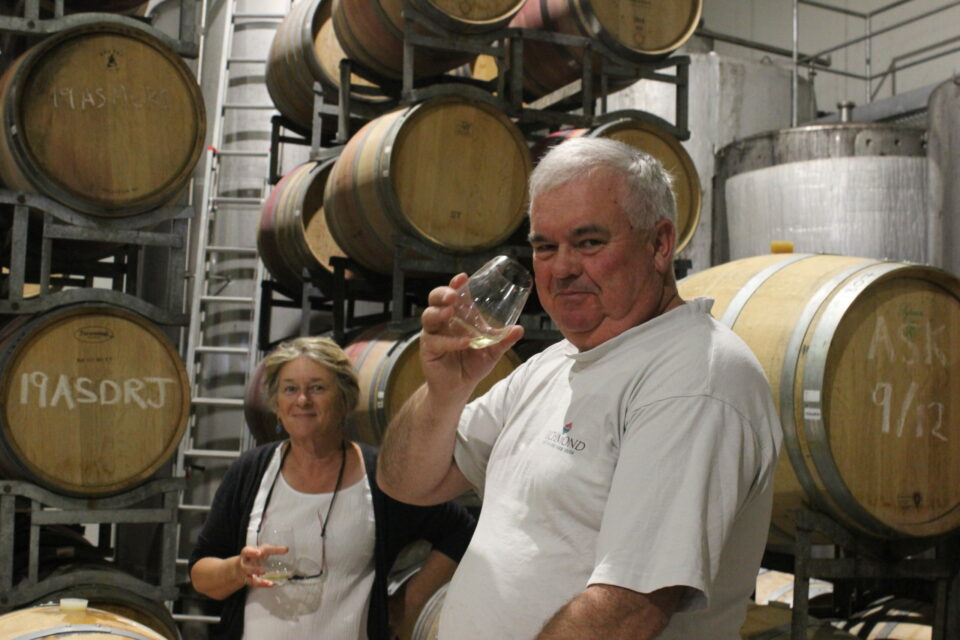 Askerne Estate winery commenced in April 1993 when wine lovers John and Kathryn Loughlin purchased the original 11.6 hectares site in Te Mata Mangateretere Road. John and Kathryn had studied winemaking and viticulture in the previous years with Kathryn, as the more diligent student, achieving the higher grades.
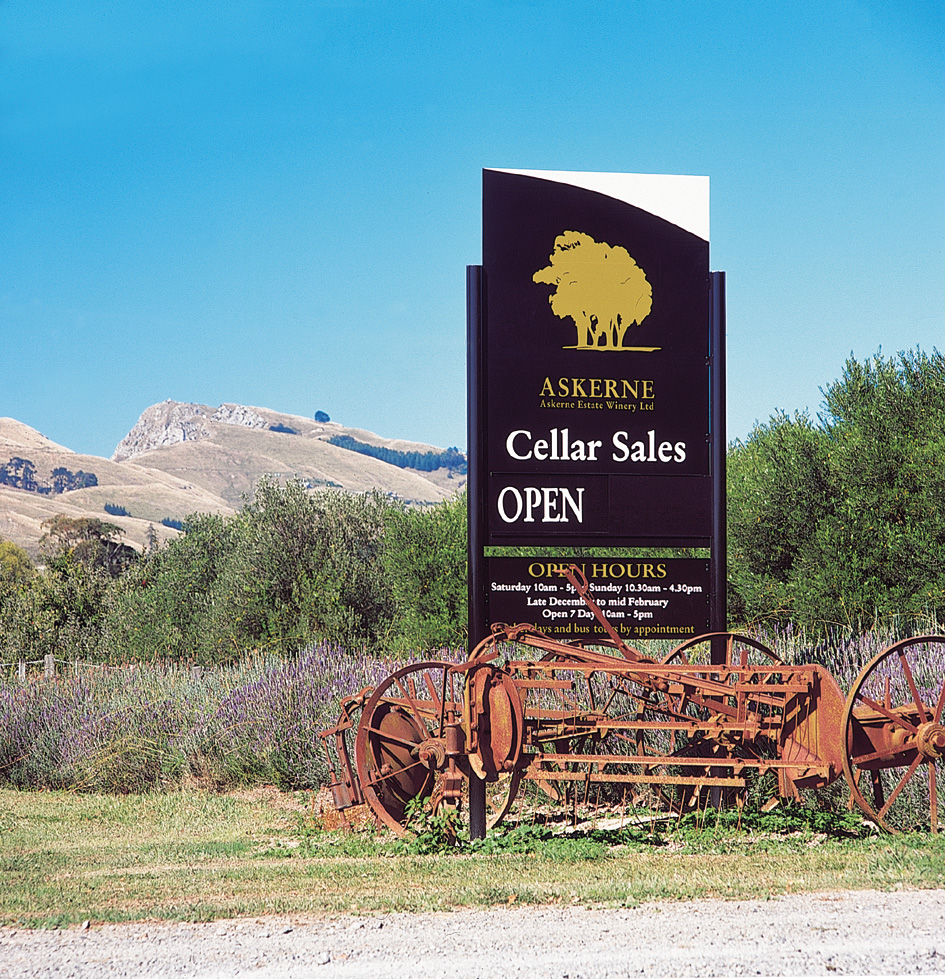 In February 1997, the Askerne cellar door was opened to the public, and it also sold Waimarama Estate’s red wines, including the then famous Waimarama Dessert Cabernet.