
The Country | 27 May, 2025
A new horticultural initiative could transform New Zealand into a commercial catnip producer, paving the way for the export of locally made pet wines to international markets.
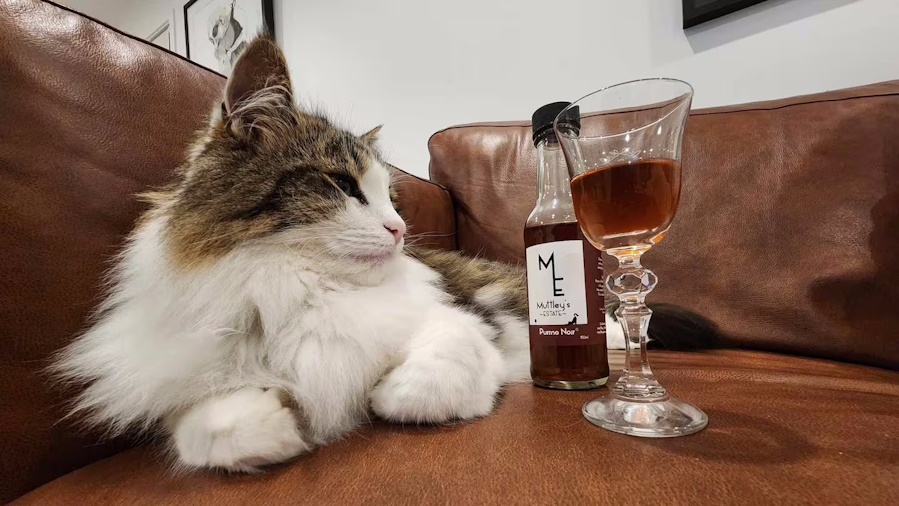
Catnip (or Nepeta cataria) was introduced to New Zealand as a garden herb in 1870 and is estimated to positively impact mood in about two-thirds of cats while helping to soothe anxiety in dogs.
Global demand for catnip is rising, driven by pet product manufacturers and natural health industries.
The catnip essential oil market alone is projected to grow by 5.8% annually by 2030 to reach $400 million.
Kiwi start-up, Muttley’s Estate, is believed to be the world’s first manufacturer to have created a shelf-stable pet wine that can be stored for up to 12 months.
The breakthrough has made large-scale production and export more viable.
John Roberts, director of Muttley’s Estate, said catnip was a resilient crop that had adapted to grow well in New Zealand’s temperate climate and well-drained soils since it was first introduced.
He said the commercial-scale farming of catnip would further diversify New Zealand’s horticultural sector.
Roberts said, with a growing domestic footprint, the company had now set its sights on the lucrative US market, where pet owners sought premium, novelty products for their furry companions.
“One of the key advantages of catnip is that even a small crop yields enough to produce a batch of pet wine, allowing us to create a high-value product without requiring extensive land investment,” he said.
“With the growing international interest in catnip and the ‘humanification’ of pet diets, it was a natural extension to explore the development of a premium beverage for pet owners to celebrate with their pets.”
Roberts said Muttley’s Estate had already signed more than 40 retailers since launching the range in New Zealand less than a year ago.
“We believe the reputation of NZ’s wine sector in North America will help us establish an entry into this market and we [are] now actively looking for US distributors.”
Roberts said research showed the impact of chronic anxiety and stress among pets had become more prevalent due to a combination of urbanisation, multi-pet household dynamics, ongoing issues relating to the pandemic and shifting lifestyles.
“International studies have found almost a third of dogs showed high sensitivity to noise, with fireworks a particular problem, while 29% of dogs were said to be highly fearful, and 14% showed highly problematic aggression.
“Symptoms of anxiety in cats are often more subtle, yet owners reported signs of tail flicking, avoiding eye contact, and shifting head/body away repeatedly [every week or every other day] or more often than usual.”
He said the range was created to help alleviate some of the modern stressors on pets, but unlike conventional wines, the products contained zero alcohol.
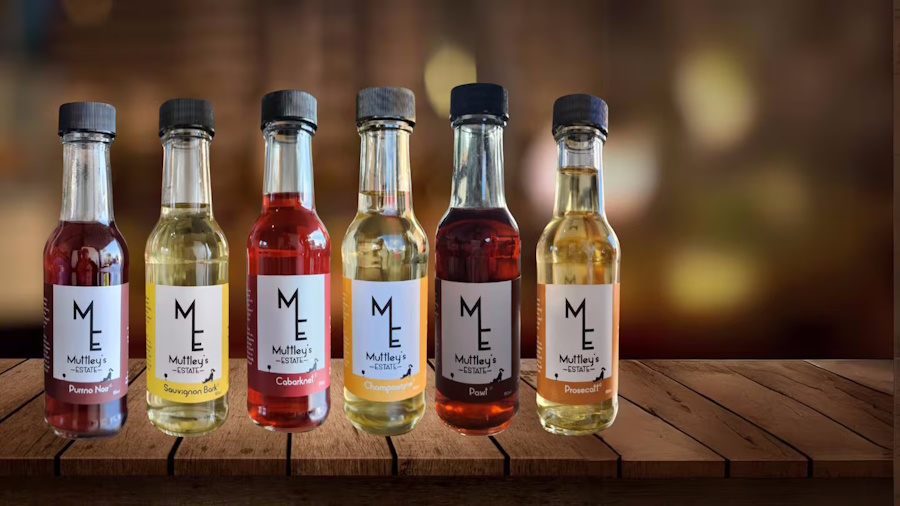
“The range offers multiple ‘varietals,’ each featuring a different concentration of catnip: lighter whites such as the Champawgne appeal more to cats, while the deeper blends such as the Purrno Noir and Pawt are popular with dogs,” he said.
Muttley’s Estate is already selling through veterinary clinics and pet retailers across New Zealand.
It has also held tasting events at local dog parks.
“We were overrun by canines wanting to taste the pet wine, and it demonstrated the positive response across a wide variety of breeds,” Roberts said.
The company was now working with New Zealand Trade and Enterprise to identify distributors in overseas markets.
“We’d love to see entire fields of catnip grown right here,” Roberts said.
“The idea that we could turn a small backyard experiment into a nationwide horticultural endeavour, and share it with pet lovers worldwide, is really exciting.
“It’s a chance for New Zealand to do something fresh and unexpected – yet again.”
The company is also investigating the potential of catnip for human consumption, with trials underway to determine its suitability for the human market.
“Catnip is related to the mint family, so it is safe for humans,” Roberts said.
“We’re working with food technologists to explore the possibilities.”


