Vinography: a Wine Blog | 27 Dec, 2025
 Two parallel universes of Marlborough Sauvignon Blanc exist: one in which quantities are measured in shipping-container units destined for grocery stores everywhere, the other where artisan winemakers work ceaselessly to demonstrate that terroir and craftsmanship can speak through one of the world’s most popular wine styles.
The latter being a more interesting place to live and drink, let’s take a look at the latest efforts of Appellation Marlborough, the group of more than 65 producers dedicated to evangelizing and showcasing the sub-regionality of New Zealand’s largest and most misunderstood wine appellation.
This group of producers, most of them small, has spent considerable effort seeking out, studying, and making wine from the many distinct areas of Marlborough, each with its own microclimates and geologies. The resulting wines demonstrate that not all Marlborough Sauvignon Blanc is created equal.
Which is to say, not all of it is farmed conventionally to massive yields, harvested mechanically, deliberately worked a bit harder to increase those famous green flavors, fermented at low temperatures with thiol-driven yeast strains to further amplify tropicality, and left just slightly sweet for its millions of adoring fans around the world.
Savvy Artisans

Instead, we have entered an age of single-vineyard–designated Sauvignon Blancs capable of expressing the nuances of site and vintage variation. Some of these wines are fermented in oak and built in a more classic French style for aging, while others are fermented with ambient or more neutral yeasts. All prove far more interesting than your typical $10 supermarket Savvy.
In the service of telling this story, the folks at Appellation Marlborough recently began assembling an annual collection of wines to send to writers and critics around the world, serving as ambassadors for this newer, more nuanced world of Marlborough Sauvignon Blanc.
Labeled the Appellation Marlborough Collection, this set of 12 wines was selected from more than 90 submissions through a blind tasting conducted by Stephen Wong MW and Cameron Douglas MS of New Zealand, and Toni Paterson MW of Australia.
Primarily featuring the 2025 vintage, the collection also includes a couple of wines each from 2024 and 2023.
One Helluva Vintage

By all accounts, the 2025 vintage in Marlborough came as a welcome relief after several tough years in the region, which is still reeling from post-pandemic market fluctuations, challenging seasons in 2021 and 2023, swings from undersupply to oversupply, and a 2022 vintage that nearly went unpicked due to COVID lockdowns.
In contrast to those troubles, 2025 was about as serene as vintages get, with a mild spring, untroubled (if slightly early) flowering, and higher-than-average yields. What began as a warm summer turned cooler in January and February, extending the season and slowing ripening in ways that tend to get winemakers very excited and happily jabbering about flavor development and phenological ripeness.
In short, you would have had to take your eye off the ball considerably to make bad wine in 2025. Most producers seem positively delighted with the quality of their wines, and based on my tasting below, I would tend to agree.
These twelve wines are wonderful examples of the quality and individuality to be found in New Zealand Sauvignon Blanc, for those willing to take a little time, a bit of effort, and spend just a little more.
Tasting Notes
Not all of these wines are exported to the US, and in the case of one, not exported at all. I have made my best guess at what US pricing would be for those wines that are not easily found online.
2025 Blank Canvas “Holdaway Vineyard” Sauvignon Blanc, Lower Wairau, Wairau, Marlborough, New ZealandPalest gold in color, this wine smells of blackcurrant leaf and lime zest with a hint of wet wool. In the mouth, stony flavors of lemon pith, green apple, black currant leaf, and wet wool have an interesting savory quality and a faintly chalky texture. Excellent acidity with a stony resonance in the finish. Regeneratively farmed fruit, 25-year-old vines, machine harvested. Fermented in stainless steel and matured on light lees. 13% alcohol. 2 g/l residual sugar. Closed with a screwcap. NZWG-certified sustainable. Vegan. Score: between 9 and 9.5. |
 |
2025 Clos Henri “Estate” Sauvignon Blanc, Central Wairau, Wairau, Marlborough, New ZealandPalest gold in the glass, this wine smells of lemon and pomelo pith mixed with a hint of green apple. In the mouth, wonderfully bright lime and lemon zest flavors have a faint salinity and a lovely wet pavement minerality. There’s a quivering electricity to this wine that is extremely compelling. A hint of passionfruit and green apple lingers in the finish. Certified organic grapes are machine harvested, and free run juice is fermented in stainless steel and ages for 3 months on the lees with battonage. 13.5% alcohol. Less than 1 g/l residual sugar. Closed with a screwcap. Score: between 9 and 9.5. |
 |
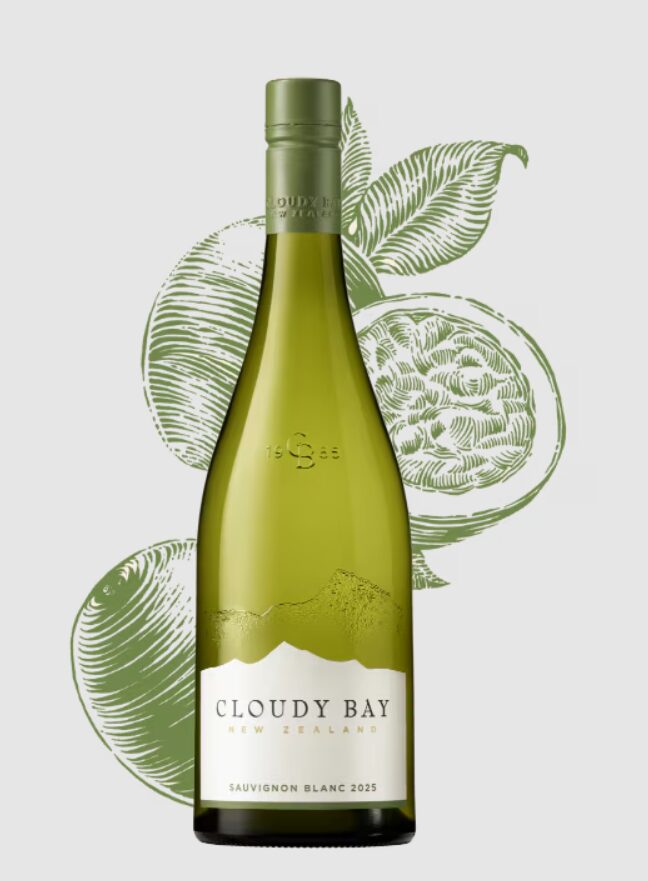
2025 Cloudy Bay Sauvignon Blanc, Wairau, Marlborough, New ZealandPalest gold in the glass, this wine smells of passionfruit and guava with a hint of candied lime. In the mouth, crisp green apple and passionfruit flavors mix with a touch of lime zest. Very good acidity. Fermented in stainless steel with around 1.8% of the final blend fermented in large-format oak, and another portion fermented with ambient yeasts. 13.5% alcohol. Closed with a screwcap. Score: between 8.5 and 9. |
 |
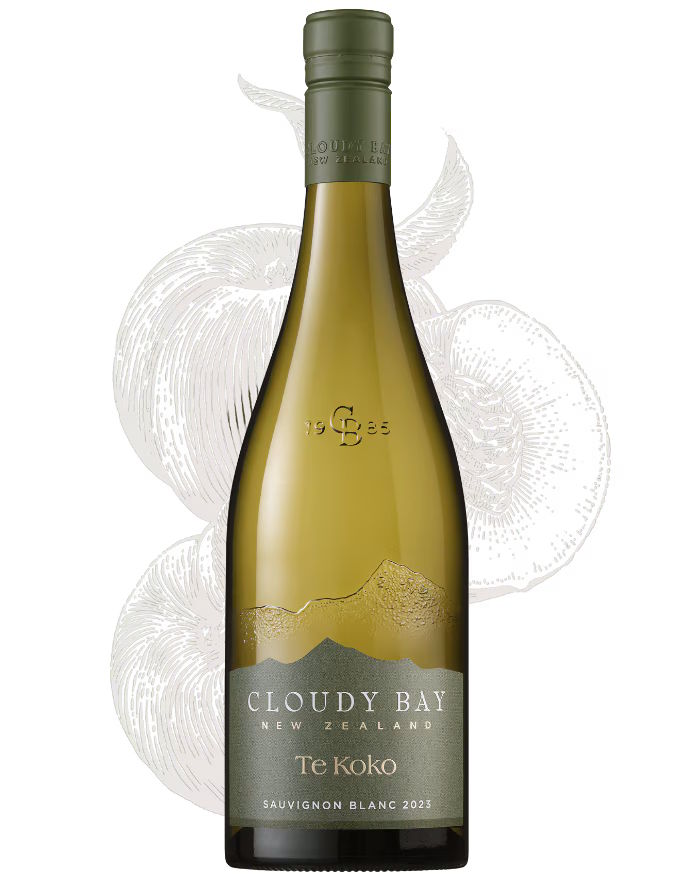
2023 Cloudy Bay “Te Koko” Sauvignon Blanc, Wairau, Marlborough, New ZealandPale gold in color, this wine smells of struck match, lemon, and lime pith, with a hint of crushed nuts. In the mouth, bright lemon peel, nut skin, and notes of vanilla mix with a silky texture and a touch of salinity. Excellent acidity and nice length. After pressing, the juice is settled for 24 hours and then racked into 7% new French oak barrels and large format cuves, where it ferments with a combination of ambient and commercial yeasts. It then ages for 11 months on the fine lees in a combination of vessels, including small and large-format barrels as well as concrete. 13.5% alcohol. Closed with a screwcap. Score: around 9. |
 |
2023 Greywacke “Wild” Sauvignon Blanc, Marlborough, New ZealandPale gold in the glass, this wine smells of citrus pith and a hint of roasted nuts. In the mouth, mouthwatering flavors of crushed nuts, lemon peel, pomelo pith, and wet chalkboard have a lovely, faint salinity to them and a hint of toasted oak that lingers in the finish. A mix of machine and hand harvesting fruit, which is then lightly pressed and cold settled before being fermented with ambient yeasts in oak barrels, a “small percentage of which” were new. Fermentation lasted nearly 6 months, and the wine was aged for another 12 months with occasional lees stirring. Around two-thirds went through malolactic conversion. 13.5% alcohol. Closed with a screwcap. Score: around 9. |
 |
2025 Holdaway Estate “Reserve” Sauvignon Blanc, Lower Wairau, Wairau, Marlborough, New ZealandPale gold in color, this wine smells of passionfruit and orange peel. In the mouth, bright passionfruit and gooseberry flavors mix with green apple and a faint saline brightness. Excellent acidity and lovely purity. 12.7% alcohol. 3.1 g/l residual sugar. Closed with a scerwcap. Vegan. Score: around 9. |
 |
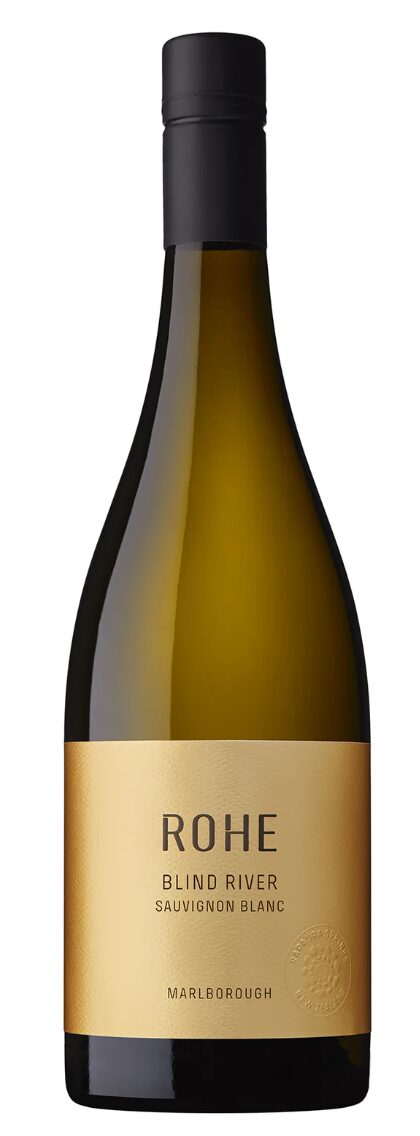
2025 Rohe Sauvignon Blanc, Blind River, Marlborough, New ZealandPalest gold in the glass, this wine smells of green apple, cut grass, and wet pavement. In the mouth, green apple and guava flavors have a lovely stony quality and a faint herbal note that lingers in the finish along with notes of lime pith. Very good acidity. After pressing, the juice was fermented in stainless steel at various temperatures. Aged for three months before bottling. 13% alcohol. 4.6 g/l residual sugar. Closed with a screwcap. Score: between 9 and 9.5. |
 |
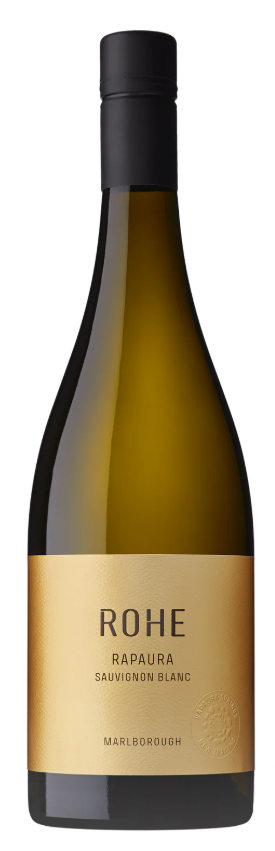
2025 Rohe Sauvignon Blanc, Rapaura, Marlborough, New ZealandPalest gold in the glass, this wine smells of cut grass, kiwifruit, and lime zest. In the mouth, zippy lime and green guava flavors have a salinity to them and a hint of a grassy herbal note that creeps into the finish with a touch of honeydew melon. After pressing, the juice was fermented in stainless steel at various temperatures. Aged for three months before bottling. 13% alcohol. 4.1 g/l residual sugar. 13% alcohol. Closed with a screwcap. Score: between 9 and 9.5. |
 |
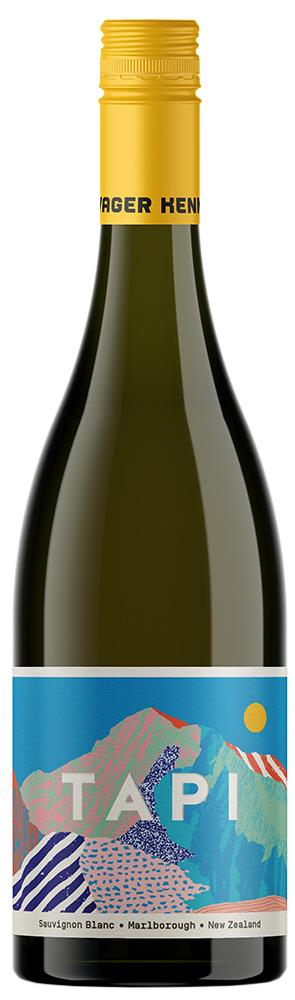
2025 TAPI Sauvignon Blanc, Marlborough, New ZealandPale gold in the glass, this wine smells of salty green apple and passionfruit. In the mouth, bright passionfruit flavors mix with wet pavement and a lovely lemon pith note. Very good acidity and a silky texture round out the aromatic package. The machine-picked and pressed into stainless steel for fermentation, with 10% of the wine fermented in old oak barrels. Aged on its lees for 4 months before bottling. 13% alcohol. 3.5 g/l residual sugar. Closed with a screwcap. Vegan. Score: between 8.5 and 9. |
 |
2024 Te Pā “Oke” Sauvignon Blanc, Lower Wairau, Wairau, Marlborough, New ZealandPale gold in color, this wine smells of toasted oak, candied lemon peel, and lime leaf. In the mouth, bright lemon peel and pith mix with a touch of vanilla and roasted nuts, as a silky texture lingers on the palate with a hint of salinity. Hand-picked and whole-bunch pressed into 320L cigares for fermentation with ambient and non-Saccharomyces yeasts. Left unsulphured on gross lees over the winter, then racked to neutral barrels for another 6 months of aging. 13.5% alcohol. 2 g/l residual sugar. Closed with a screwcap. Score: around 9. |
 |
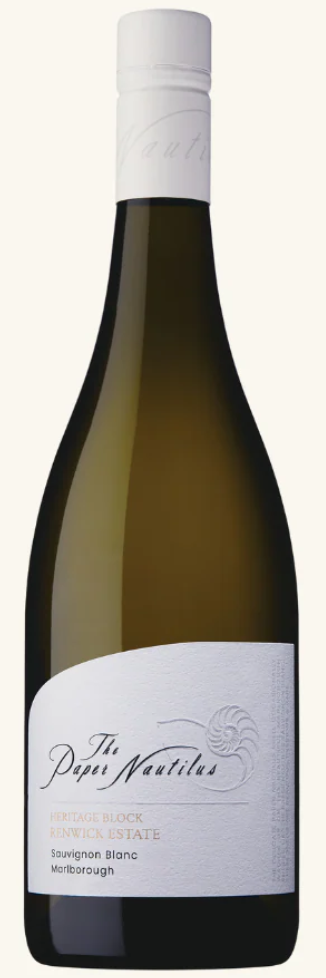
2024 Nautilus “The Paper Nautilus” Sauvignon Blanc, Marlborough, New ZealandPale gold in the glass, this wine smells of honeysuckle, candied lemon peel, and white flowers. In the mouth, faintly sweet flavors of lemon peel, lime pith, and pink grapefruit have a nice filigreed acidity. There’s a sweet lemon cucumber note that lingers in the finish. Hand-picked and whole-bunch pressed, then settled before racking into a 13-year-old 5000L French oak cuve for fermentation. Inoculated with a non-Saccharomyces yeast for a 30-day fermentation. Then matured on lees for another 8 months before bottling. 13.5% alcohol. 3.4 g/l residual sugar. Closed with a screwcap. Vegan. Score: between 8.5 and 9. |
 |
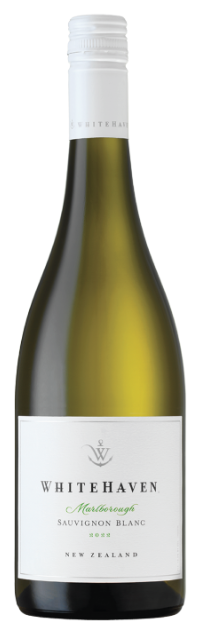
2025 Whitehaven Sauvignon Blanc, Marlborough, New ZealandNear colorless in the glass, this wine smells of blackcurrant leaf, green apples, and a hint of that classic feline aroma. In the mouth, crisp green guava, green apple, lemon pith, and lime leaf. Very good acidity and a faint grassy salinity round out the package. Machine-harvested and then pressed. Juice settled and then fermented in stainless steel. Aged on light lees in tank for 2 months before bottling. Sterile filtered. 13% alcohol. 1.4 g/l residual sugar. Closed with a screwcap. NZWG-certified sustainable. Vegan. Score: between 8.5 and 9. |
 |