

Tessa Allingham, The Telegraph | 19 July 2025
They’re too small, inhibit flavour appreciation and, according to one sommelier, should be ‘outlawed’. But what are the better alternatives?
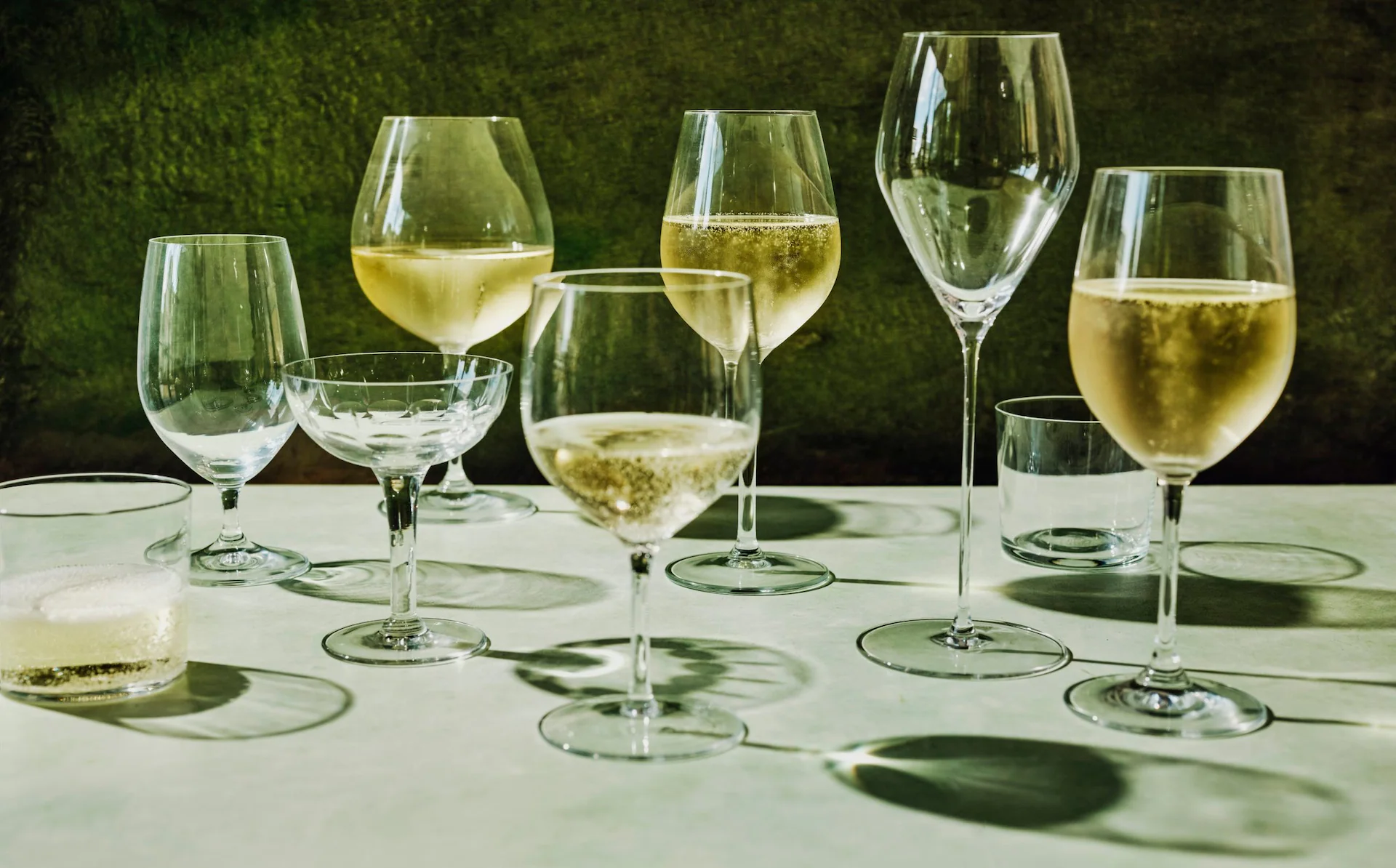
Maximilian Riedel has a mission: to rid the world of champagne flutes. “My goal is to make them obsolete within my lifetime,” says the 11th-generation glassmaker from Austria. “Champagne and sparkling wines deserve to be shown at their very best. A narrow flute does nothing for them.”
He is not alone in the charge against the tall, slender vessel – or in his determination to see wine glasses replace them. With 70 per cent of our perception of flavour coming from aroma, Riedel argues, the more open shape, whether a traditional white wine glass, a tulip-shaped one or bigger burgundy glass, enables the wine to be appreciated fully.
Acclaimed publican Heath Ball ditched “hundreds of flutes” when he took over The Angel in Highgate, London, in November 2024 – though he has reluctantly held a few back “because some people do like them and I hate to say no”.
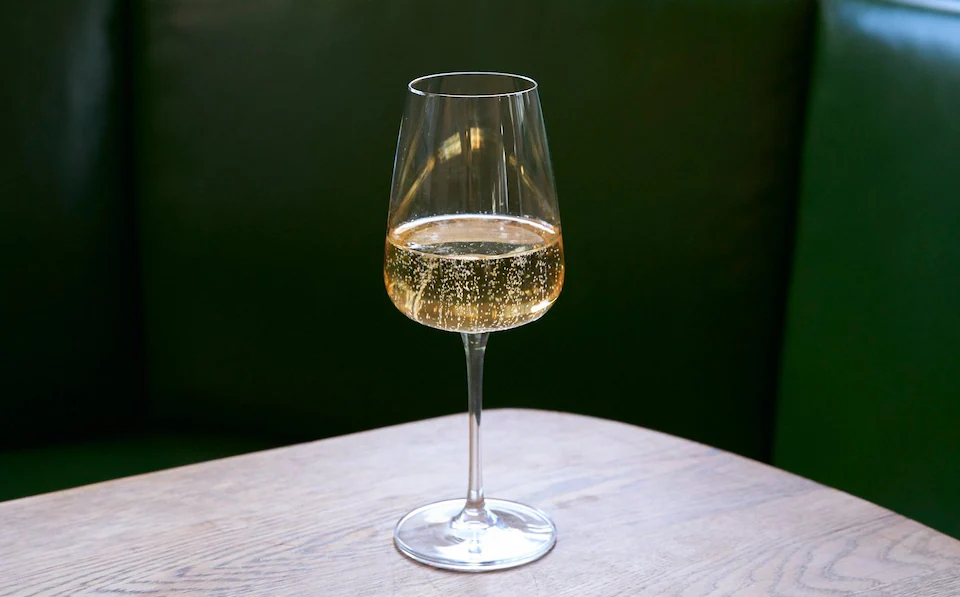
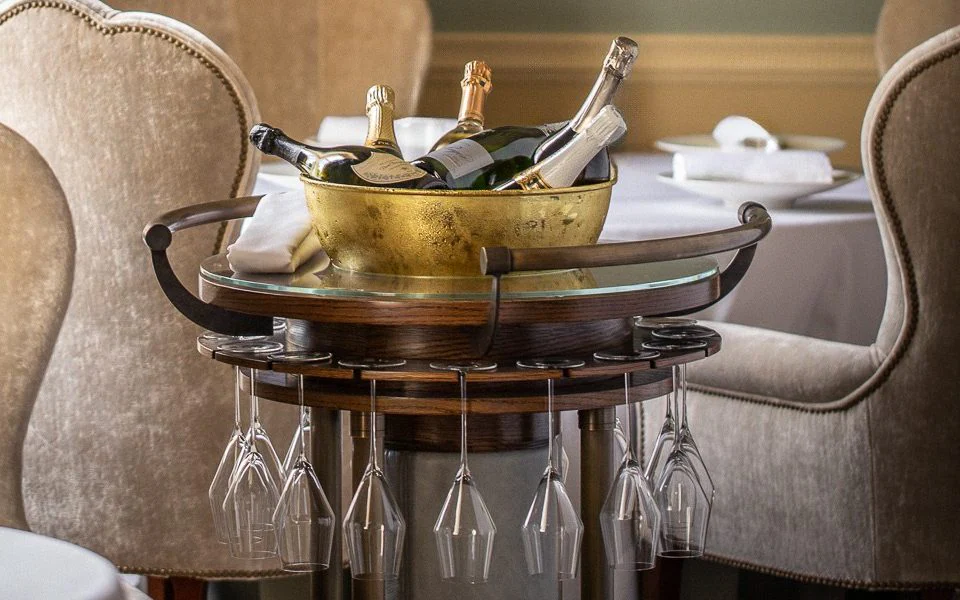
They should be “outlawed” insists sommelier Sandia Chang, who founded the online grower-champagne shop Bubbleshop and runs the two-Michelin-starred Kitchen Table restaurant in the capital with her chef husband James Knappett. And there’s not a flute in sight on the champagne trolley at the luxurious Grantley Hall near Ripon in North Yorkshire.
Flutes have been the go-to glass for champagne ever since – so legend says, and Riedel reports – 18th-century Benedictine monk and abbey cellarman Dom Pérignon said he liked to “watch the dance of the sparkling atoms” in a slim glass. As champagne became a drink associated with celebration, the flute contained a measured serving just right for a toast.
But sparkling wine is increasingly appreciated as a versatile, food-friendly drink worthy of more than just chin-chin moments at weddings. “We’re seeing more and more people drink sparkling wine just as they would a still wine,” says Ball. “And when you shift it from the flute [into a wine glass] it becomes more relaxed and more enjoyable. I’m all for that.”
So if flutes are out, what should you pour your next glass of fizz into?
A white wine glass
“All sparkling wines are better enjoyed in wine glasses rather than flutes,” argues Chang. “Flutes may look pretty but it’s almost impossible to appreciate the aromas of the wine without getting just bubbles up your nose.” And no, the flute’s shape doesn’t necessarily keep bubbles bubblier for longer: “A well-made sparkling wine will not lose its bubbles during the time it takes to drink a glass,” she says.
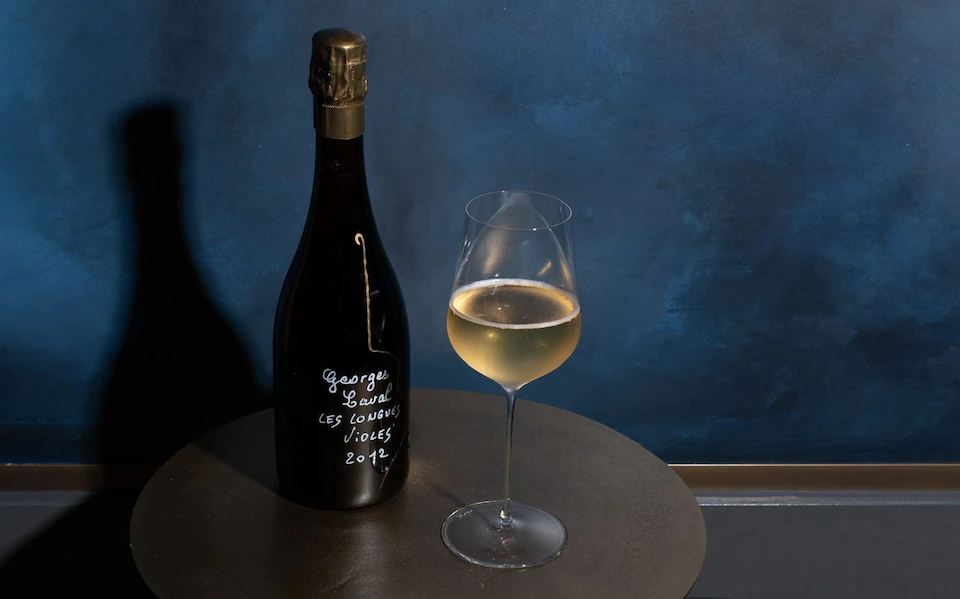
The bowl of a white wine glass allows aromas and flavours to develop, and acidity to become balanced. “The wine looks good,” says Ball, “it’s better value for the customer, and more relaxed and contemporary.”
It’s more generous too. At The Angel, Ball will pour Château Palmer champagne or Australian lambrusco into an elegant wine glass as a 175ml serving, rather than the 125ml typically held in a flute. “With flutes, you fill the glass, then two sips later it’s all over. Where’s the fun in that?”
The universal shape of a white wine glass makes it a practical choice, a consideration even for a top sommelier like Isa Bal, co-owner with chef Jonny Lake of Trivet, the two-Michelin-star restaurant in Bermondsey. At home he keeps things simple – and saves space – with one set of glassware for all wines, including champagne: “A white wine glass does the job perfectly,” says Bal. “Leave it to restaurants and bars to have all those different glasses, and enjoy them when you’re out.”
Andrew Rogerson, who oversees the wine programme at Michelin-starred Shaun Rankin at Grantley Hall restaurant, cuts to the chase: “The less you spend on glassware, the more you can spend on champagne.” Who can argue with that?
A tulip-shaped wine glass
The narrower meeting point of bowl and stem in a tulip-shaped glass means bubbles are released gradually, its wider “hips” allow oxygen to reach the liquid, and the tapered rim captures and concentrates aromas.
“Those aromas are such a key part of how the champagne is experienced, how it tastes,” says Rogerson. Sommeliers steering the Grantley Hall trolley select subtly different-shaped glasses (most are German-made Zalto) for each champagne: it’s a narrower one for Shaun Rankin’s blanc de blanc because the wine’s delicate, leaner notes don’t require as much aeration to be enjoyed. A broader glass suits the richer Femme de Champagne by Duval-Leroy, while the Krug grand cuvée is poured into a glass the champagne house developed in collaboration with Riedel. “It has a broad, almost diamond shape that allows more space for aromas to develop,” says Rogerson. “The base of the bowl comes to a point to aid the formation of bubbles, and the wider body allows you to swirl the wine, speeding up oxidation and revealing the flavour in a way not achieved by more narrow glasses.”
Champagnes from Trivet’s renowned wine list, which includes tiny-production grower champagnes such as Pierre Péters grand cru Le Mesnil-sur-Oger, are also poured into delicate tulip-shaped glasses, the better to appreciate the wine.
A burgundy glass
Older vintages, or full-bodied rosé champagnes with aromatic red-fruit notes, can benefit from a larger pinot noir glass. “The intensity and complexity can require more interaction with oxygen,” says Rogerson. “They can also be best enjoyed at a slightly warmer temperature, making red wine glasses perfect. I was lucky enough to enjoy a glass of 1988 Cristal champagne, and in a red burgundy glass it opened up beautifully.”
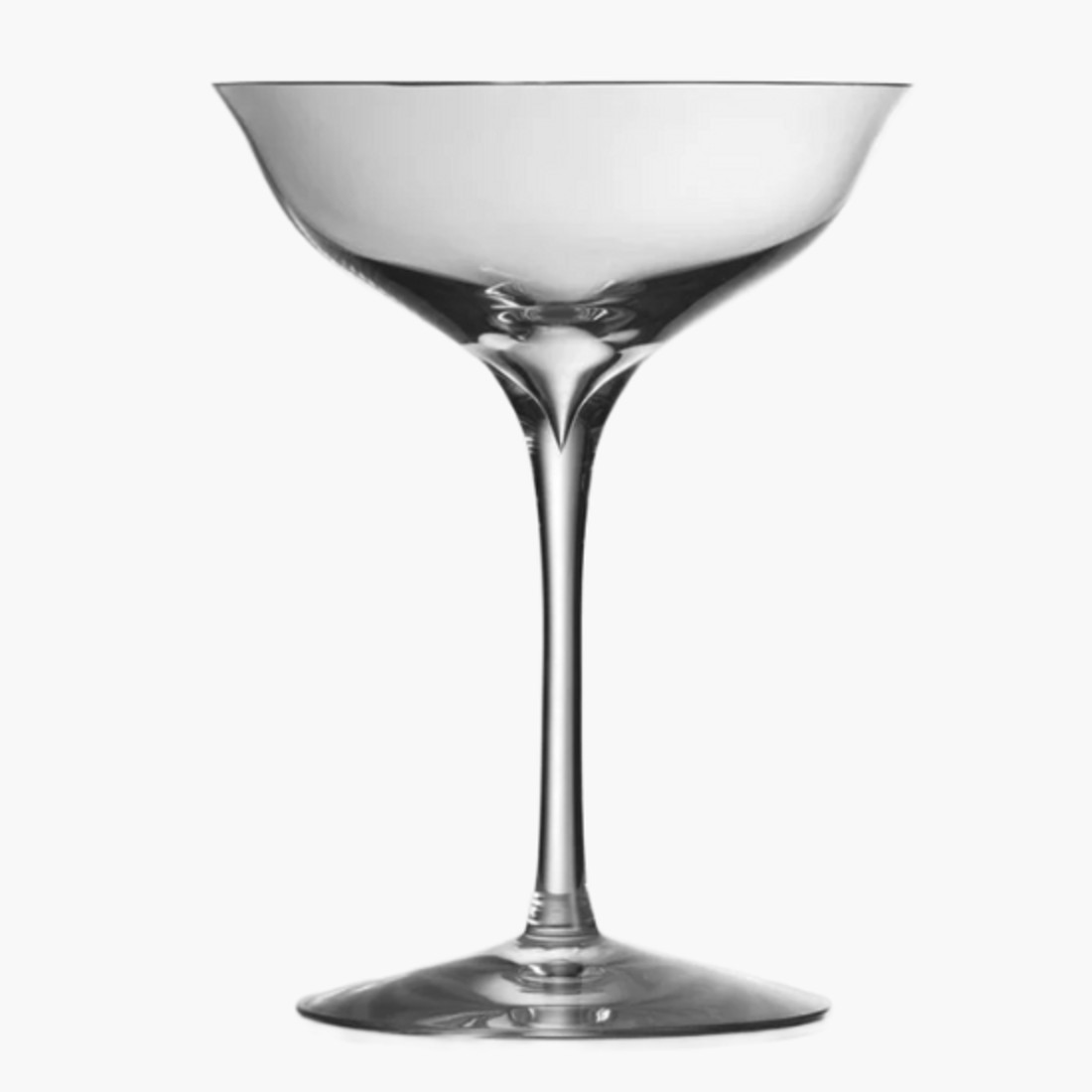
A coupe (but only for vintage vibes)
Champagne can lose its bubbles and aroma quickly in a coupe or champagne saucer, but there’s still vintage and photogenic charm in this wide, shallow glass, says Fran Cutler, renowned planner of many a society party: “For a wedding or a special birthday toast, or when you just want people to feel more elegant, I love a coupe. There’s something about the shape that’s so timeless – the way you can cup it in your hands just feels glamorous. It has that charm that you don’t get with flutes or wine glasses, making people feel sexy, inviting a bit of mischief to the occasion.”
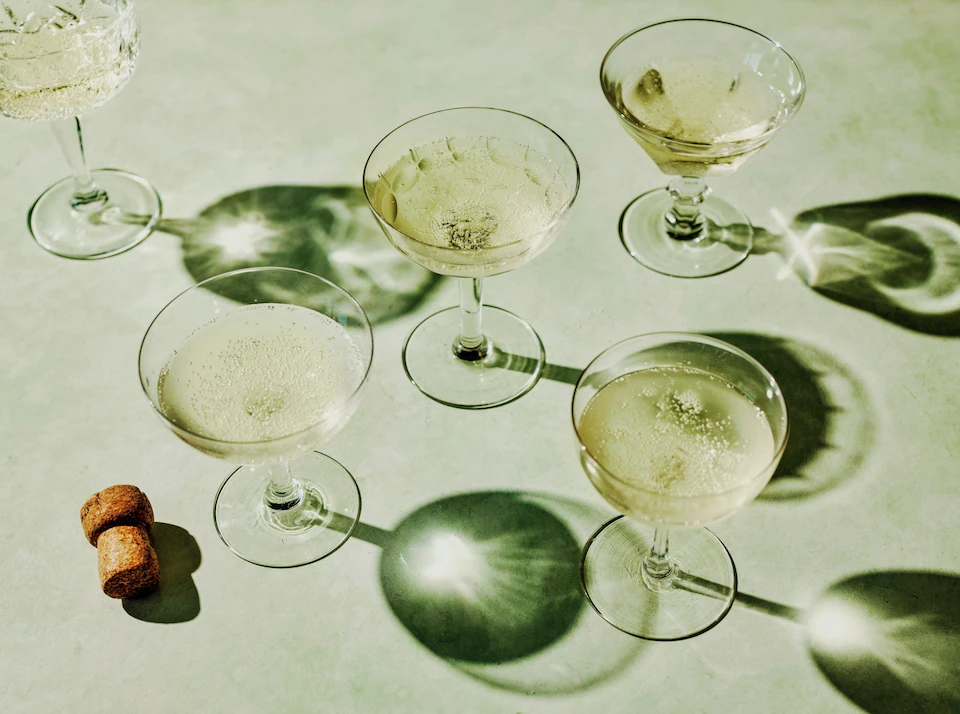
The style is forever associated with the Great Gatsby-esque flamboyance of the 1920s but the rumour that coupes were first modelled on Marie Antoinette’s left breast is just that – a rumour – though they were popular during the 18th century. “The coupe is playful,” says Rogerson. “You might not get the most technically from the champagne, but if [a coupe] brings the most enjoyment, then people shouldn’t feel shy about asking for one. We always keep a few on the trolley just in case.”
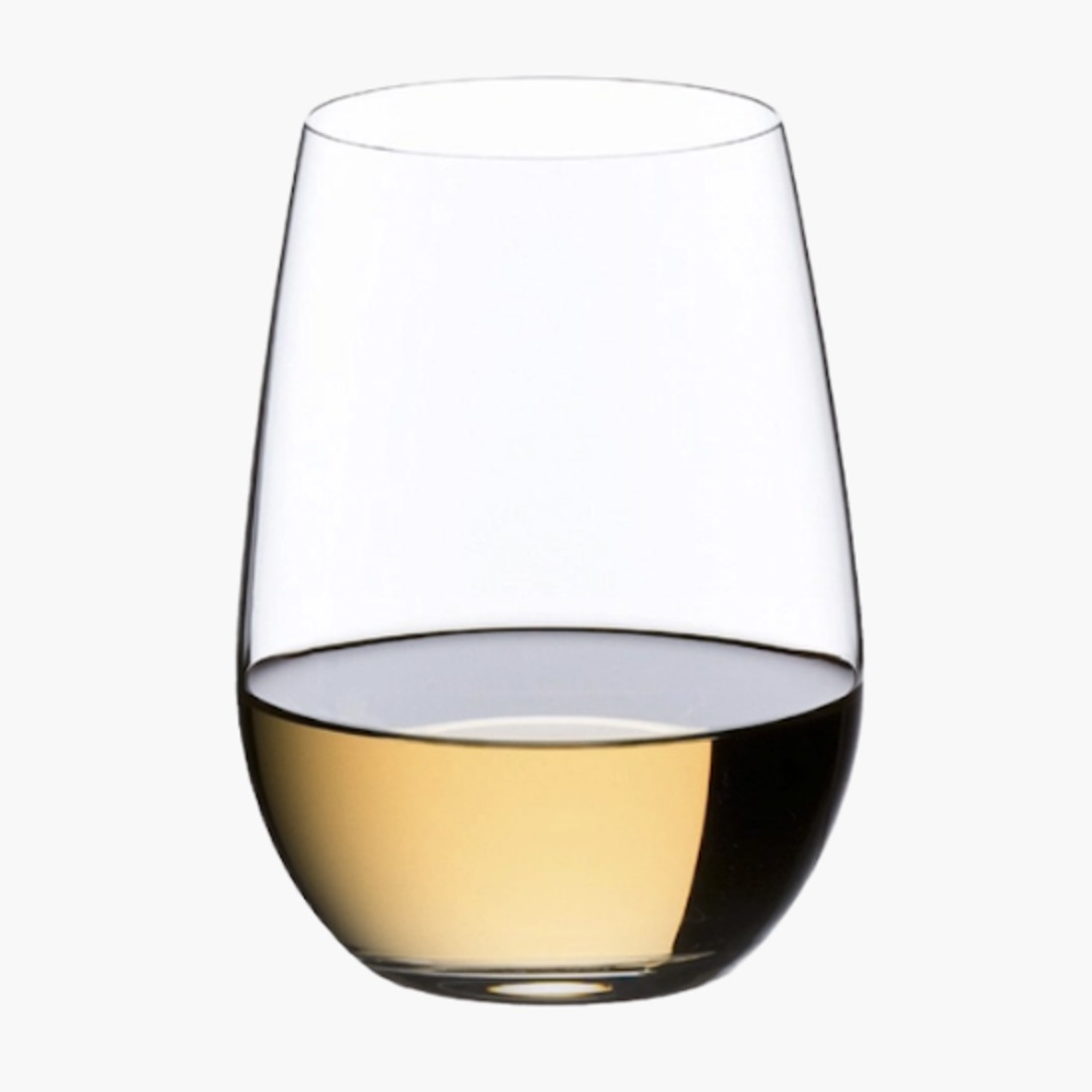
A tumbler (so long as its crystal)
Small, chunky glasses should be avoided “for any type of wine,” believes Cutler. “That should be obvious, but I’ve seen it done, and it’s a shame – and a bit wasteful, especially when you’ve invested in good champagne. Glassware should be selected to set the mood for a good time.”
But is there a place for fizz in a tumbler? Riedel was recently spotted – on Instagram at least – splashing chilled Bruno Paillard champagne into one while on an Alpine hike. Needless to say, it was not a plastic beaker dredged from the back of the cupboard, but his own rather more elegant O to Go crystal glass tumbler.
Champagne flutes are out – try these instead
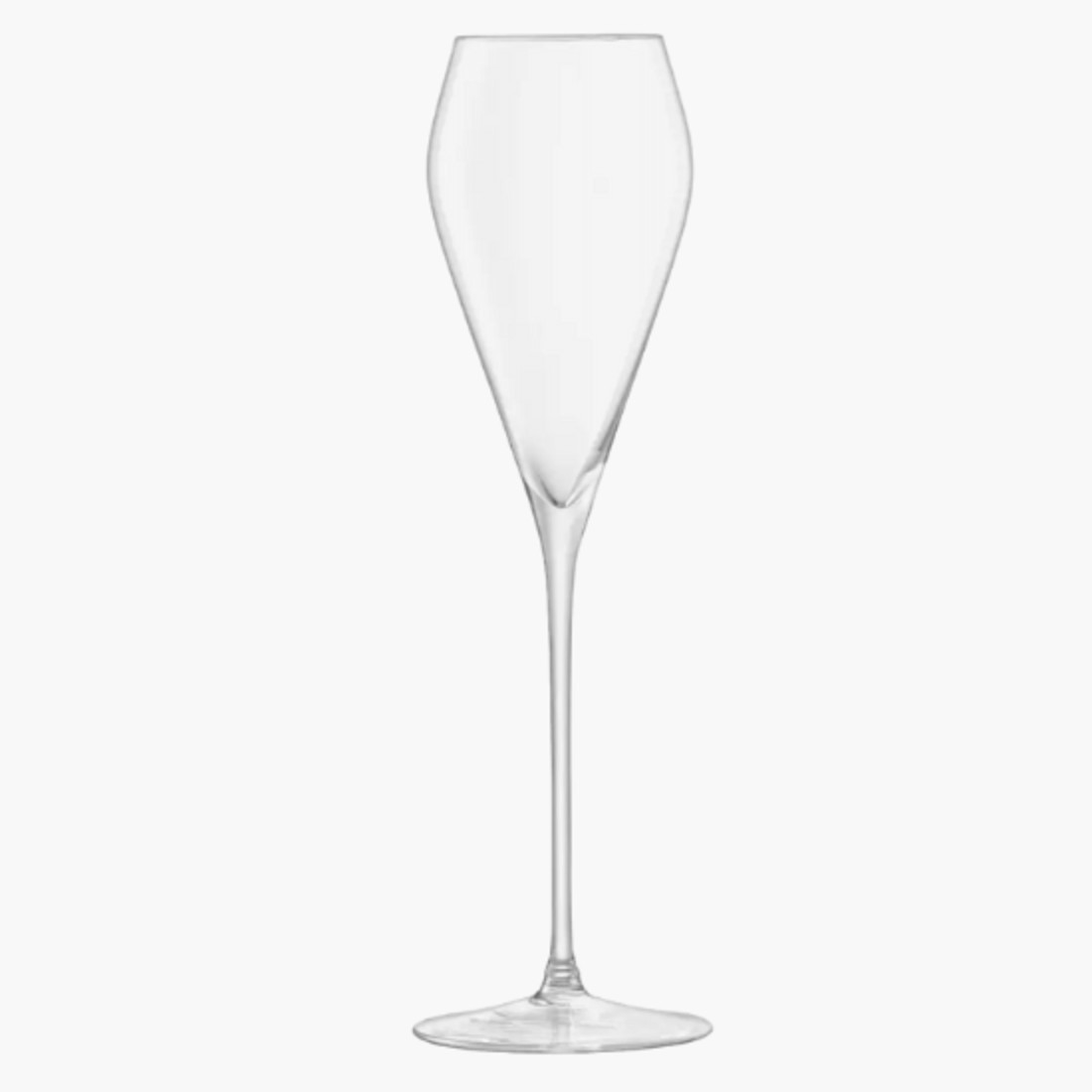
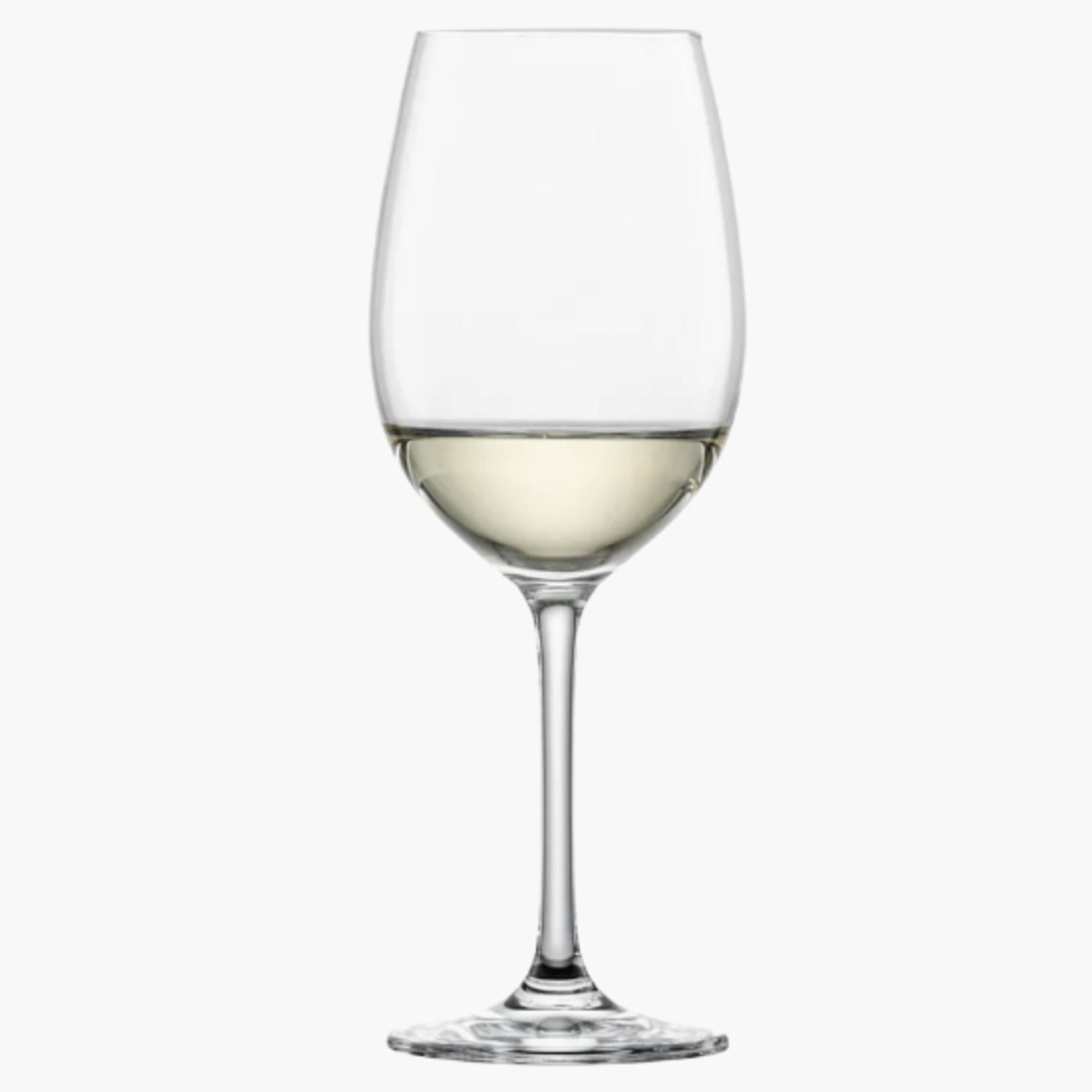
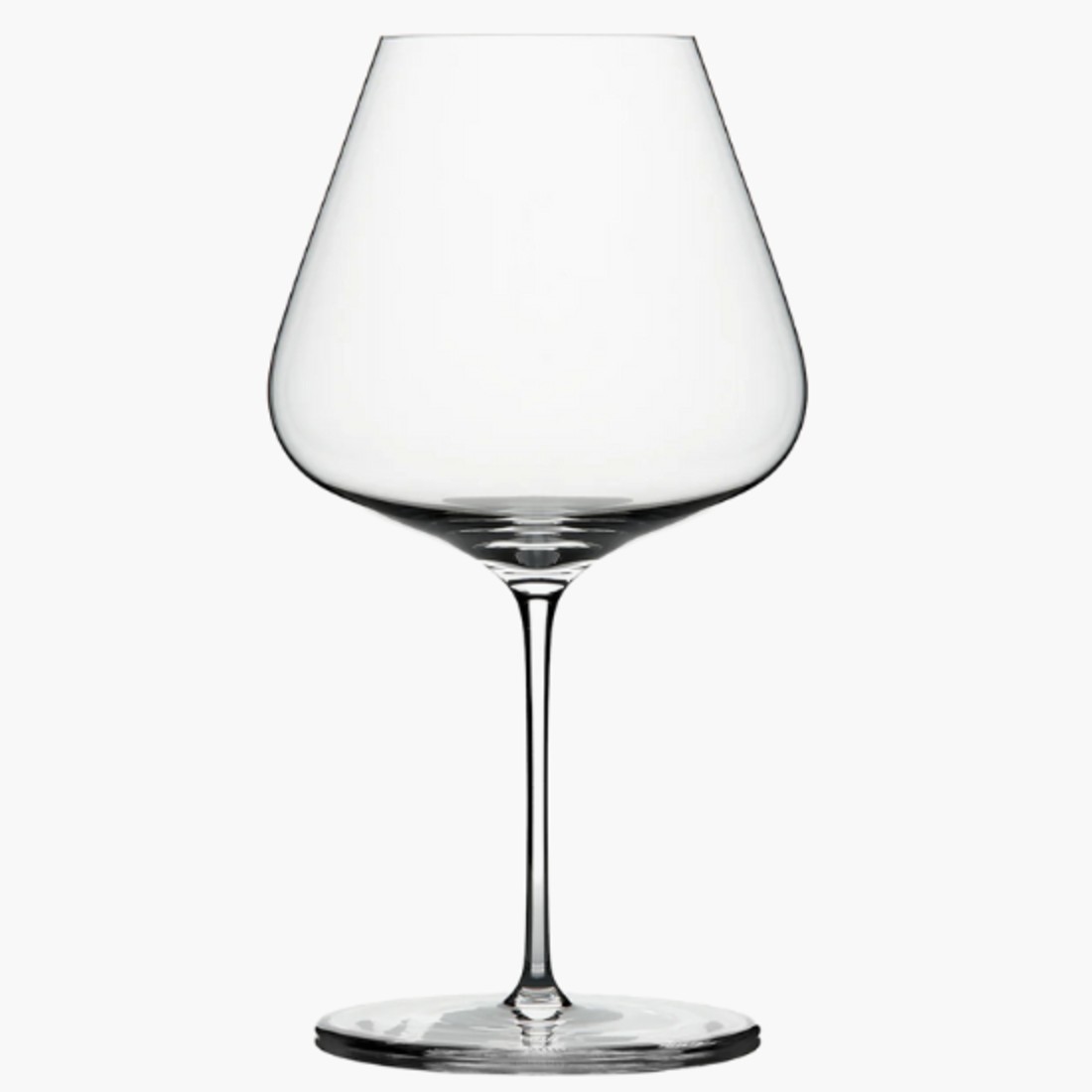
Some tips, before you reach for that wine glass…
Don’t
Stick your fizz in the fridge. The bottle should be well chilled before opening (between 8-10C is ideal, according to Riedel, because if too cold the flavours are masked), but 30 minutes in a wine bucket filled with ice is better to achieve this quickly if you forgot to put it in the fridge.
Do
Try decanting champagne. The process can lessen foaming, help soften acidity and release flavour. Riedel calls it “a revelation”, especially with young bottles, though he doesn’t recommend the process for older ones or champagnes with particularly delicate bubbles.
Don’t
Fill the glass more than half- or two-thirds full. This gives space for aromas to develop and concentrate.
Do
Keep the wine glass flat on the table when pouring – if you’ve got the skills of a sommelier. “The trick is to pour the champagne into the glass in one steady unbroken stream without the wine bubbling over the rim,” says Chang. The rest of us should adopt the 45-degree tilt and a slow pour to minimise foaming. “Wet” the glass first with a little champagne to let bubbles settle before continuing to pour.


