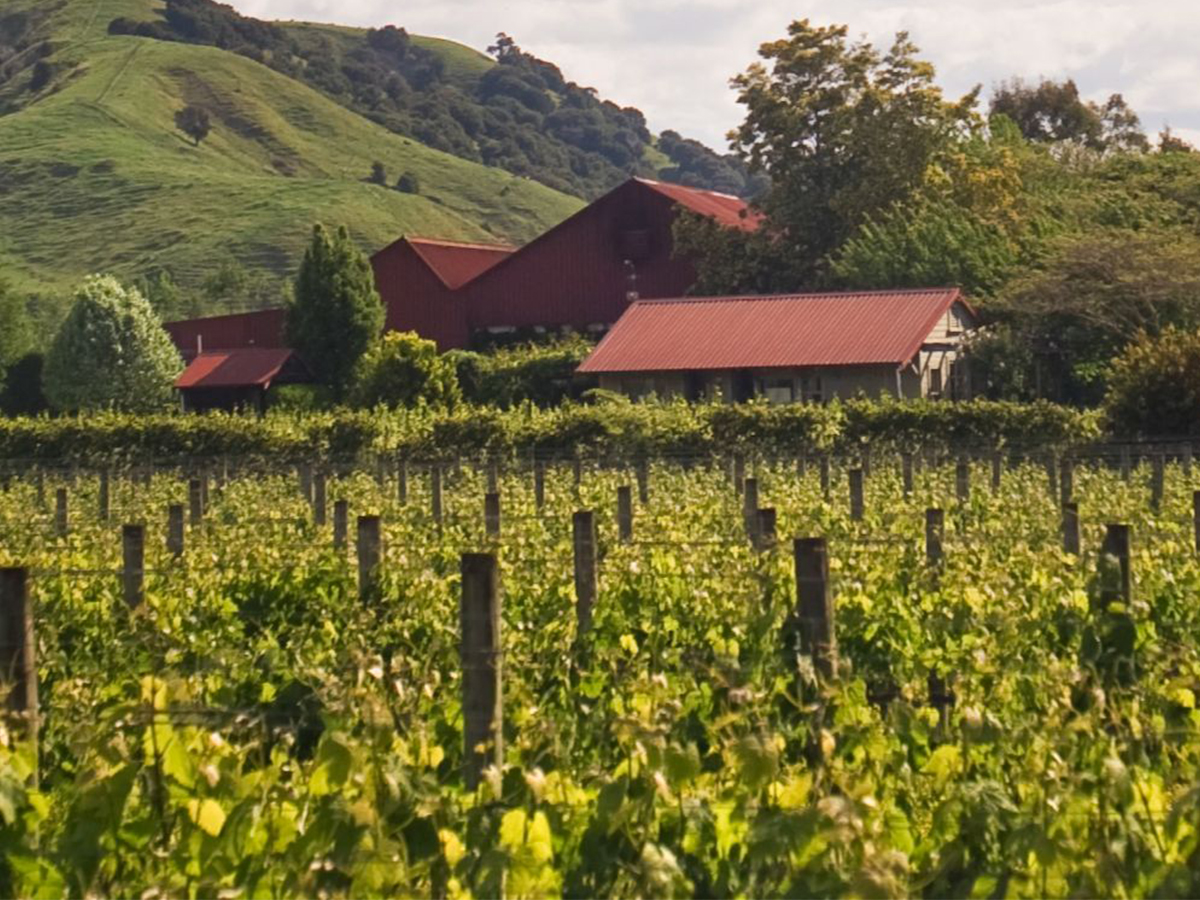
After more than 40 years as pioneers of the New Zealand wine industry, The Millton Vineyard has announced that its 2025 vintage was their last.
Founded in 1984 by Annie and James Millton, the estate became New Zealand’s first certified organic and biodynamic winery, setting a benchmark for sustainable winemaking.
“We have now decided to retire – both ourselves and the vineyards – we look forward to spending time with our family,” says Annie.
Over the next eight months, they will be gradually winding up the vineyard and winery operations but will continue to offer a range of wines until August 2026, or while stocks last.
“While this chapter is closing, the spirit of the Millton Vineyards will live on,” says Annie. “We have cared for this unique land for five generations, and will leave it in a better state for future generations.
“On behalf of our family and team, thank you for being part of the Millton story. I hope you have the opportunity to enjoy many more glasses of our wine in the months ahead.”
Two parallel universes of Marlborough Sauvignon Blanc exist: one in which quantities are measured in shipping-container units destined for grocery stores everywhere, the other where artisan winemakers work ceaselessly to demonstrate that terroir and craftsmanship can speak through one of the world’s most popular wine styles.
The latter being a more interesting place to live and drink, let’s take a look at the latest efforts of Appellation Marlborough, the group of more than 65 producers dedicated to evangelizing and showcasing the sub-regionality of New Zealand’s largest and most misunderstood wine appellation.
This group of producers, most of them small, has spent considerable effort seeking out, studying, and making wine from the many distinct areas of Marlborough, each with its own microclimates and geologies. The resulting wines demonstrate that not all Marlborough Sauvignon Blanc is created equal.
Which is to say, not all of it is farmed conventionally to massive yields, harvested mechanically, deliberately worked a bit harder to increase those famous green flavors, fermented at low temperatures with thiol-driven yeast strains to further amplify tropicality, and left just slightly sweet for its millions of adoring fans around the world.
Savvy Artisans
The official subregional map of Marlborough courtesy of Appellation Marlborough
Instead, we have entered an age of single-vineyard–designated Sauvignon Blancs capable of expressing the nuances of site and vintage variation. Some of these wines are fermented in oak and built in a more classic French style for aging, while others are fermented with ambient or more neutral yeasts. All prove far more interesting than your typical $10 supermarket Savvy.
In the service of telling this story, the folks at Appellation Marlborough recently began assembling an annual collection of wines to send to writers and critics around the world, serving as ambassadors for this newer, more nuanced world of Marlborough Sauvignon Blanc.
Labeled the Appellation Marlborough Collection, this set of 12 wines was selected from more than 90 submissions through a blind tasting conducted by Stephen Wong MW and Cameron Douglas MS of New Zealand, and Toni Paterson MW of Australia.
Primarily featuring the 2025 vintage, the collection also includes a couple of wines each from 2024 and 2023.
One Helluva Vintage
A view of vineyards in the Wairau Valley
By all accounts, the 2025 vintage in Marlborough came as a welcome relief after several tough years in the region, which is still reeling from post-pandemic market fluctuations, challenging seasons in 2021 and 2023, swings from undersupply to oversupply, and a 2022 vintage that nearly went unpicked due to COVID lockdowns.
In contrast to those troubles, 2025 was about as serene as vintages get, with a mild spring, untroubled (if slightly early) flowering, and higher-than-average yields. What began as a warm summer turned cooler in January and February, extending the season and slowing ripening in ways that tend to get winemakers very excited and happily jabbering about flavor development and phenological ripeness.
In short, you would have had to take your eye off the ball considerably to make bad wine in 2025. Most producers seem positively delighted with the quality of their wines, and based on my tasting below, I would tend to agree.
These twelve wines are wonderful examples of the quality and individuality to be found in New Zealand Sauvignon Blanc, for those willing to take a little time, a bit of effort, and spend just a little more.
Tasting Notes
Not all of these wines are exported to the US, and in the case of one, not exported at all. I have made my best guess at what US pricing would be for those wines that are not easily found online.
Palest gold in color, this wine smells of blackcurrant leaf and lime zest with a hint of wet wool. In the mouth, stony flavors of lemon pith, green apple, black currant leaf, and wet wool have an interesting savory quality and a faintly chalky texture. Excellent acidity with a stony resonance in the finish. Regeneratively farmed fruit, 25-year-old vines, machine harvested. Fermented in stainless steel and matured on light lees. 13% alcohol. 2 g/l residual sugar. Closed with a screwcap. NZWG-certified sustainable. Vegan. Score: between 9 and 9.5.
2025 Clos Henri “Estate” Sauvignon Blanc, Central Wairau, Wairau, Marlborough, New Zealand
Palest gold in the glass, this wine smells of lemon and pomelo pith mixed with a hint of green apple. In the mouth, wonderfully bright lime and lemon zest flavors have a faint salinity and a lovely wet pavement minerality. There’s a quivering electricity to this wine that is extremely compelling. A hint of passionfruit and green apple lingers in the finish. Certified organic grapes are machine harvested, and free run juice is fermented in stainless steel and ages for 3 months on the lees with battonage. 13.5% alcohol. Less than 1 g/l residual sugar. Closed with a screwcap. Score: between 9 and 9.5.
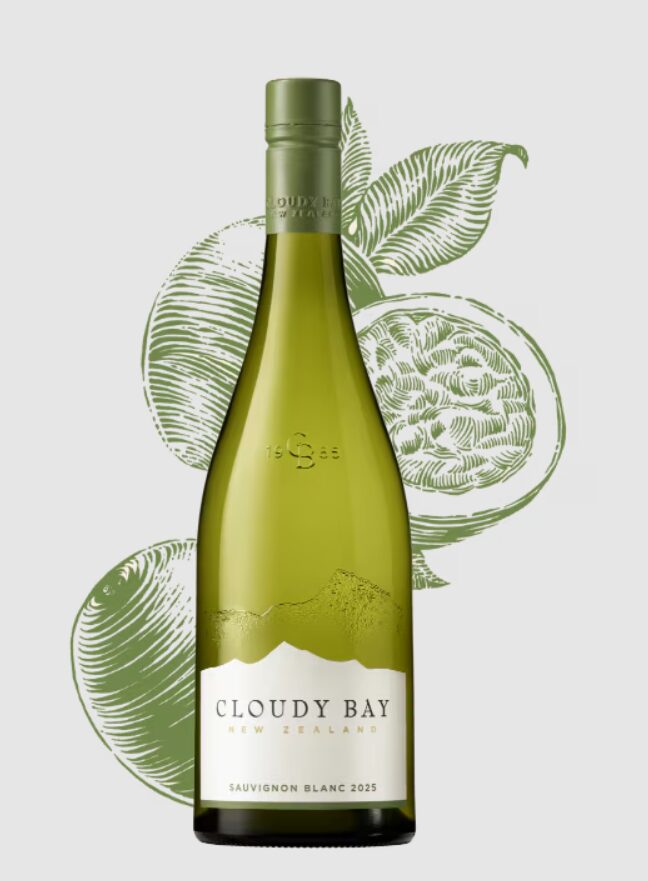
2025 Cloudy Bay Sauvignon Blanc, Wairau, Marlborough, New Zealand
Palest gold in the glass, this wine smells of passionfruit and guava with a hint of candied lime. In the mouth, crisp green apple and passionfruit flavors mix with a touch of lime zest. Very good acidity. Fermented in stainless steel with around 1.8% of the final blend fermented in large-format oak, and another portion fermented with ambient yeasts. 13.5% alcohol. Closed with a screwcap. Score: between 8.5 and 9.
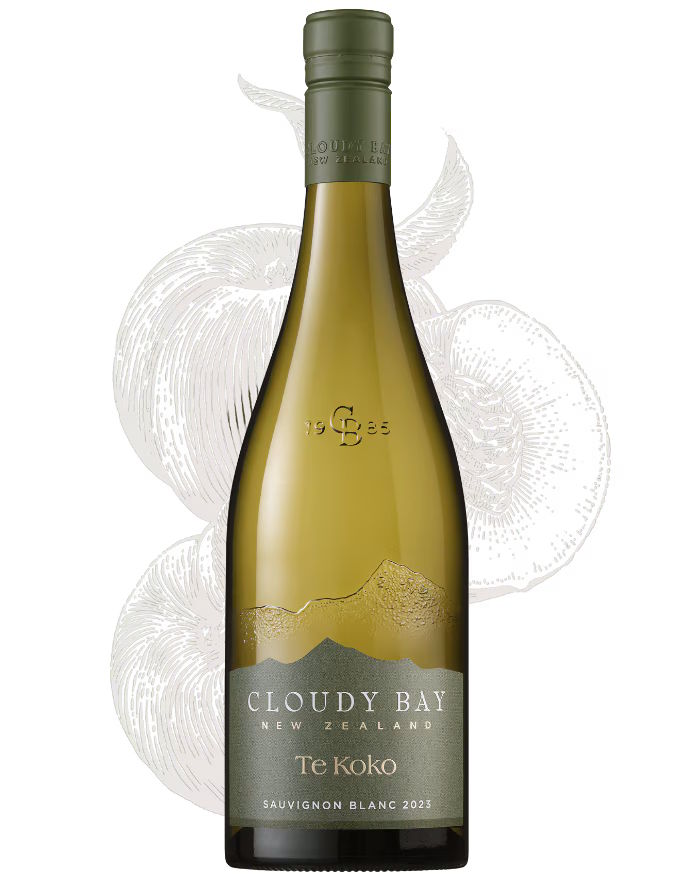
2023 Cloudy Bay “Te Koko” Sauvignon Blanc, Wairau, Marlborough, New Zealand
Pale gold in color, this wine smells of struck match, lemon, and lime pith, with a hint of crushed nuts. In the mouth, bright lemon peel, nut skin, and notes of vanilla mix with a silky texture and a touch of salinity. Excellent acidity and nice length. After pressing, the juice is settled for 24 hours and then racked into 7% new French oak barrels and large format cuves, where it ferments with a combination of ambient and commercial yeasts. It then ages for 11 months on the fine lees in a combination of vessels, including small and large-format barrels as well as concrete. 13.5% alcohol. Closed with a screwcap. Score: around 9.
2023 Greywacke “Wild” Sauvignon Blanc, Marlborough, New Zealand
Pale gold in the glass, this wine smells of citrus pith and a hint of roasted nuts. In the mouth, mouthwatering flavors of crushed nuts, lemon peel, pomelo pith, and wet chalkboard have a lovely, faint salinity to them and a hint of toasted oak that lingers in the finish. A mix of machine and hand harvesting fruit, which is then lightly pressed and cold settled before being fermented with ambient yeasts in oak barrels, a “small percentage of which” were new. Fermentation lasted nearly 6 months, and the wine was aged for another 12 months with occasional lees stirring. Around two-thirds went through malolactic conversion. 13.5% alcohol. Closed with a screwcap. Score: around 9.
Pale gold in color, this wine smells of passionfruit and orange peel. In the mouth, bright passionfruit and gooseberry flavors mix with green apple and a faint saline brightness. Excellent acidity and lovely purity. 12.7% alcohol. 3.1 g/l residual sugar. Closed with a scerwcap. Vegan. Score: around 9.
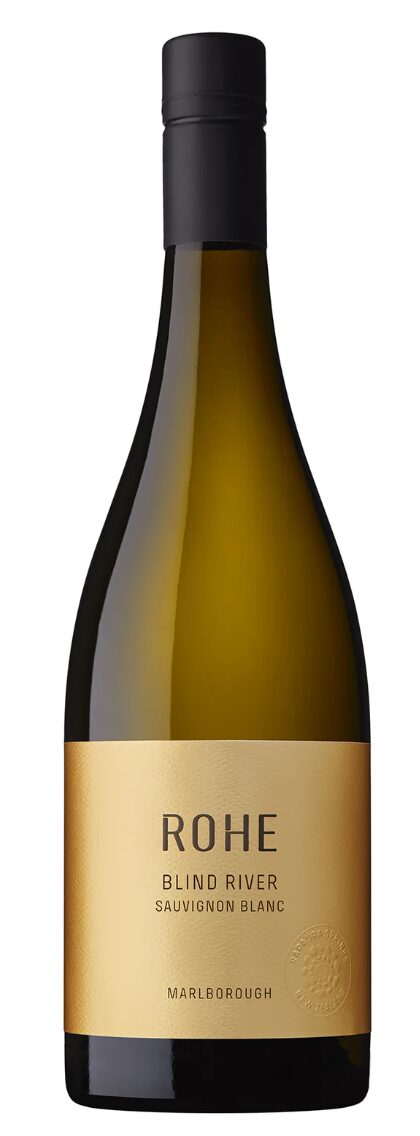
2025 Rohe Sauvignon Blanc, Blind River, Marlborough, New Zealand
Palest gold in the glass, this wine smells of green apple, cut grass, and wet pavement. In the mouth, green apple and guava flavors have a lovely stony quality and a faint herbal note that lingers in the finish along with notes of lime pith. Very good acidity. After pressing, the juice was fermented in stainless steel at various temperatures. Aged for three months before bottling. 13% alcohol. 4.6 g/l residual sugar. Closed with a screwcap. Score: between 9 and 9.5.
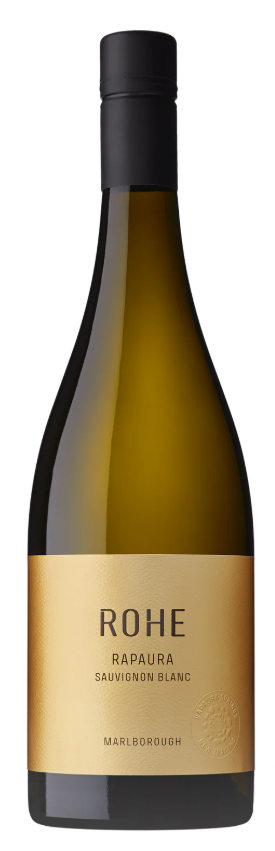
2025 Rohe Sauvignon Blanc, Rapaura, Marlborough, New Zealand
Palest gold in the glass, this wine smells of cut grass, kiwifruit, and lime zest. In the mouth, zippy lime and green guava flavors have a salinity to them and a hint of a grassy herbal note that creeps into the finish with a touch of honeydew melon. After pressing, the juice was fermented in stainless steel at various temperatures. Aged for three months before bottling. 13% alcohol. 4.1 g/l residual sugar. 13% alcohol. Closed with a screwcap. Score: between 9 and 9.5.
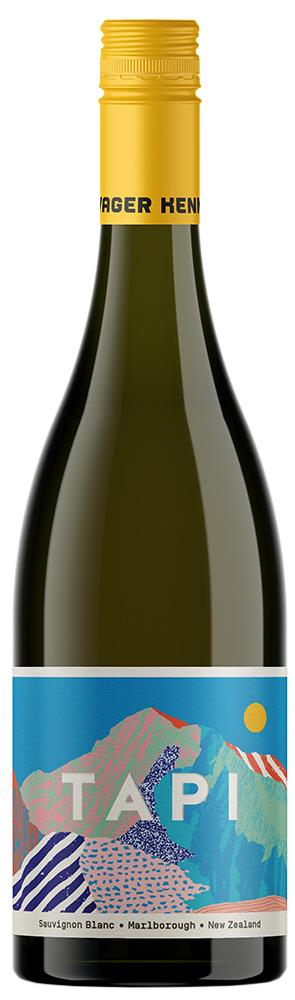
2025 TAPI Sauvignon Blanc, Marlborough, New Zealand
Pale gold in the glass, this wine smells of salty green apple and passionfruit. In the mouth, bright passionfruit flavors mix with wet pavement and a lovely lemon pith note. Very good acidity and a silky texture round out the aromatic package. The machine-picked and pressed into stainless steel for fermentation, with 10% of the wine fermented in old oak barrels. Aged on its lees for 4 months before bottling. 13% alcohol. 3.5 g/l residual sugar. Closed with a screwcap. Vegan. Score: between 8.5 and 9.
2024 Te Pā “Oke” Sauvignon Blanc, Lower Wairau, Wairau, Marlborough, New Zealand
Pale gold in color, this wine smells of toasted oak, candied lemon peel, and lime leaf. In the mouth, bright lemon peel and pith mix with a touch of vanilla and roasted nuts, as a silky texture lingers on the palate with a hint of salinity. Hand-picked and whole-bunch pressed into 320L cigares for fermentation with ambient and non-Saccharomyces yeasts. Left unsulphured on gross lees over the winter, then racked to neutral barrels for another 6 months of aging. 13.5% alcohol. 2 g/l residual sugar. Closed with a screwcap. Score: around 9.
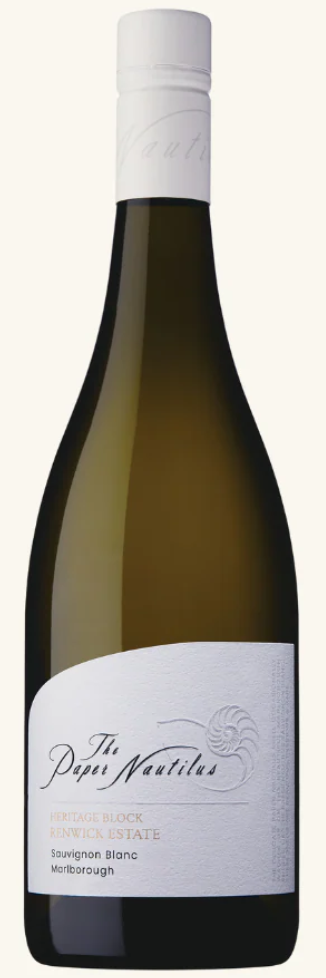
2024 Nautilus “The Paper Nautilus” Sauvignon Blanc, Marlborough, New Zealand
Pale gold in the glass, this wine smells of honeysuckle, candied lemon peel, and white flowers. In the mouth, faintly sweet flavors of lemon peel, lime pith, and pink grapefruit have a nice filigreed acidity. There’s a sweet lemon cucumber note that lingers in the finish. Hand-picked and whole-bunch pressed, then settled before racking into a 13-year-old 5000L French oak cuve for fermentation. Inoculated with a non-Saccharomyces yeast for a 30-day fermentation. Then matured on lees for another 8 months before bottling. 13.5% alcohol. 3.4 g/l residual sugar. Closed with a screwcap. Vegan. Score: between 8.5 and 9.
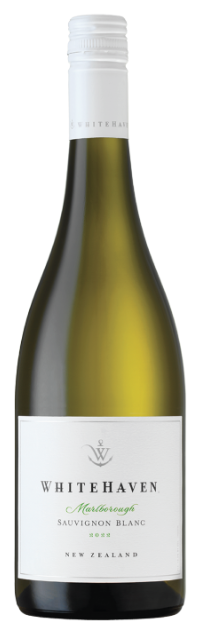
2025 Whitehaven Sauvignon Blanc, Marlborough, New Zealand
Near colorless in the glass, this wine smells of blackcurrant leaf, green apples, and a hint of that classic feline aroma. In the mouth, crisp green guava, green apple, lemon pith, and lime leaf. Very good acidity and a faint grassy salinity round out the package. Machine-harvested and then pressed. Juice settled and then fermented in stainless steel. Aged on light lees in tank for 2 months before bottling. Sterile filtered. 13% alcohol. 1.4 g/l residual sugar. Closed with a screwcap. NZWG-certified sustainable. Vegan. Score: between 8.5 and 9.
Plus, a handy guide for deciphering your methodes from your Champagnes.
Photo / Babiche Martens
If the bubbles that have dominated most thoughts of late are the ones we’ve been living in, there’s hopefully something we can toast, even if it’s just the passing of 2021.
There’s good news on the fizz front, as there has never been a more delicious and diverse array of sparkling wines to enjoy in Aotearoa.
Here’s a selection of the best from my blind tasting of bottles from across the world. Their corks are definitely worth popping, to cheer the spirits if our parties must be virtual, or celebrate with on the return to fully social occasions.
STYLE GUIDE: WHAT’S IN A STYLE? Sparkling wines are made in a wide variety of ways that dictate their flavour, quality and price. It can be confusing, so here’s a rough guide to styles and terms you might see on a bottle that suggest the kind of wine you might find within.
Traditional Method
Most of the highest quality sparkling wines, including Champagne and cava, are made by the traditional method, also known as methode traditionnelle. It’s an elaborate system that adds to the cost of the wine, but is widely regarded to create the most complex flavours and finest mousse (bubbles).
A second bubble-inducing fermentation is triggered in the bottle, followed by a period when the wine remains in contact with its yeasts. These impart complex bready and nutty flavours to the wine depending on how long it remains on these yeast “lees”.
The yeasts are then removed by a lengthy process of “riddling” that gradually shifts the yeast into the neck of the bottle, which is then frozen. The frozen plugs of yeast are removed, the bottle topped up and then re-stoppered in the wine’s “disgorgement”.
Some examples state a disgorging date, which provides an idea of a wine’s maturity — recently disgorged can mean fresher flavours, and older more toasty notes.
Bottle Fermented (Transfer Method)
If it’s traditional method, most wineries trumpet this. So if you see “bottle fermented” on a label, this suggests the wine has likely been made by the slightly simpler transfer method. Sparkling wines made in this manner can still be very good, but are cheaper to produce than the traditional method. This is basically identical to the traditional method up to the point of riddling, when the bottles are instead disgorged into pressurised tanks, where they’re filtered. They’re then re-bottled in a new bottle.
Tank Fermented
Less likely to appear on a label, but influencing the final flavour, is the Tank Method. Also known as the charmat or Martinotti methods, or cuve close. The wine’s second fermentation takes place in a pressurised tank rather than a bottle, and the final fizz bottled under pressure. You don’t get the yeasty character of bottle-fermented methods, but this is often preferable for more aromatic grapes and fresher styles, such as the prosecco that’s made this way.
Methode Ancestral (Pet-Nat)
Undergoing a revival currently is the methode ancestral, responsible for the petillant maturels (pet-nats) that have burst onto the natural wine scene in particular. Likely the oldest way of making sparkling wine, the wine is bottled while still undergoing its first fermentation. This finishes in-bottle, producing its effervescence.
Some winemakers choose to leave the yeast in the bottle, leading to a cloudy appearance and the possibility of drinking a bottle at different stages on its path to dryness. Others filter or disgorge and rebottle for a clearer and more consistent end product.
Champagne (NV and Vintage)
Champagne can only come from the eponymous region in north-eastern France. Its name, synonymous with luxury and celebration, is protected in law and cannot be borrowed by wines from elsewhere. Its wines have to adhere to strict criteria, which includes bottle aging of 15 months for non-vintage wines (NV) and three years for vintage.
Its chilly climate makes it a challenge to ripen grapes, which has led to the practice of blending wines from multiple vintages, with vintage wines being made with only the best grapes in the best years.
The practice of making and labelling sparkling wines as “NV” has been adopted beyond Champagne and tends to suggest the tier below a winery’s more premium “vintage” release.
Styles and Sweetness
Various terms originating in Champagne indicate the grapes used, and consequently suggest the style of a sparkling wine. Blanc de Blancs is made from 100 per cent chardonnay, which tend to be lighter and racier. Blanc de Noirs is a white sparkling wine made from just black grapes, which tend to be fuller bodied.
There are also descriptors highlighting levels of sweetness. The most common is Brut for dry to off-dry, with the likes of Demi-Sec, meaning sweet and Doux, lusciously sweet.
A growing movement towards near bone-dry styles means seeing more bottles sporting terms such as Ultra Brut, Extra Brut, Brut Nature and Zero Dosage, which signal the driest of the dry.
Detergent is the enemy of effervescence, so always rinse your sparkling glasses in warm water to get rid of any residue. Photo / Getty Images
WHAT’S IN A GLASS?
Wisdom on what makes the best glass from which to drink sparkling wine has shifted over the years. Certainly, the wide-rimmed shallow coupe popular in the early 20th century has fallen out of favour, for good reason.
These may work to some extent for softer, sweeter styles, but the wine’s large surface area in these means bubbles swiftly dissipate and they go flat quicker. The narrow shape of the iconic flute fares far better for retaining effervescence, but also suppresses aromas.
Current thinking on the foremost stemware for fizz, particularly the more complex traditional method wines, is a tulip-shaped glass with a wider middle and a narrow top. Similar to a white wine glass, it provides a slightly larger wine surface area than the flute and has a shape and greater space above the wine conducive to funnelling aromas up beyond its rim.
It’s also supported by findings of the rigorous research currently being conducted on bubble behaviour, by the likes of Champagne physicist Dr Gerard Liger-Belair at the University of Reims in Champagne.
The Comite Champagne, which represents independent Champagne producers, now officially recommends a tulip-shaped glass in which to enjoy its members’ wines. Something like Riedel’s egg-shaped Veritas Champagne Wine Glass fits the bill ($113 for 2 stems from Kitchenware.nz). However, the flute still works fine for simpler fruit-driven styles, such as prosecco.
You can enjoy fizz from a standard white wine glass. However, it’s still optimal to use a glass that’s been designed for sparkling wine as this will contain a “sparkling point”. Bubbles attract and carry aromatic compounds to the surface of the wine and need somewhere to start.
In sparkling glasses they’re directed from a single point etched on the bottom of their bowl, rather than forming randomly off the likes of fibres left in a glass from tea towels.
Whatever glass you choose, there are further ways to ensure you maximise your bubble count. Detergent is the enemy of effervescence, so always rinse your sparkling glasses in warm water to get rid of any residue. If you dry them manually, make sure it’s with a lint-free cloth to avoid unruly effervescence!
FRANCE’S FINEST
THE BEST SPARKLING WINES OF THE SEASON: FRANCE’S FINEST
1. Taittinger Millesime Brut Champagne 2014, $125
This Grand Cru-dominant blend is made only in the best vintages and aged five years on its lees to gain added complexity. The result is a Champagne with great intensity and finesse, with elegant and crisp notes of red apple and citrus, hints of apricot, mineral and blossom, over a subtle hazelnut base. Stockists: Countdown; Glengarry; Vineonline; Fine Wine Delivery; Vintners.nz
2. Paul Launois Monochrome #1 Grand Cru Extra Brut Champagne NV, $82
This stylish Champagne is an exciting new find: from third-generation growers Julien Launois and his wife Sarah, who started making wines in 2015 from their small family estate in the Grand Cru village of Le Mesnil-sur-Oger. The Monochrome #1 is an impressive ultra-dry 100 per cent chardonnay, with a pure and poised palate of crisp apple and lemon, hints of almond paste, acidity and an intense flinty minerality. Stockists: Barewine.co.nz
3. Andre Clouet Grande Reserve Brut Champagne NV, $68
A 100 per cent pinot noir Champagne that offers great value. Its attractive notes of apple and stonefruit are underpinned by rich toasted brioche and hazelnut notes. All this is supported by a fine and fresh line of lemon and mineral salts and a fine mousse. Stockists: Black Market; New World; Dhall & Nash
4. Marion-Bosser Premier-Cru Brut Rosé Champagne NV, $90
Marion-Bosser’s impressive grower Champagnes are made by the mother and daughter team of Bernadette and Elodie Marion in the Premier Cru village of Hautvillers. Their elegant and fresh rosé Champagne combines delicate raspberry and redcurrant fruits with a suggestion of apple and almond pastry. Stockists: Threefrenchvines.com; Winedirect.co.nz; New World
NZ’S FINEST
BEST LOCAL BUBBLES
5. No 1 Family EstateReserve Marlborough Blanc de Blancs NV, $96
It’s perhaps no surprise that one of the top wines in this year’s sparkling tasting is made by a 12th-generation Champagne winemaker. Daniel Le Brun crafts this exquisite Reserve example in Marlborough, which layers white flowers, white fruits and citrus over subtle nutty, biscuity nuances, wrapped in a creamy mousse. The release is limited to just 1000 individually numbered bottles. Stockists: Glengarry; No1familyestate.co.nz
6. Koyama Waipara Methode Traditionnelle Brut Nature NV, $45
A delicious bone-dry pinot noir-dominant blend made in tiny quantities by Takahiro Koyama, in which rich notes of gingerbread and toasted breadcrust are counterpoised by a powerful line of lemony acidity. Koyama has had a growing focus on sparkling wine with his original label and at Mountford Estate, which he now also runs, and this is a fine addition to Aotearoa’s sparkling scene. Stockists: Great Little Vineyards; Hamilton Beer & Wine Co; Star Superette; By the Bottle; Natural Liquor
7. Mumm Marlborough Brut Prestige NV, $40
A decidedly Champagne-like local traditional method wine, from a collaboration between the Champagne House of Mumm and Pernod Ricard NZ, makers of the likes of Brancott Estate. It expertly juxtaposes richness with freshness in its notes of crisp apple and lemon curd, savoury praline undercurrent, and long nutty finish. Stockists: New World; Countdown; West Liquor; Liquorland; Super Liquor; Glengarry; Moore Wilson’s
NZ’S FINEST
8. Quartz Reef Bendigo Estate Methode Traditionnelle Central Otago Rose NV, $43
Refined strawberry and redcurrant meld with hints of rose-like florals, creamy notes and an appealing savoury dimension. A complex and compelling rose which finishes with a dynamic wave of freshness and lingering minerally note. Stockists: Glengarry; Fine Wine Delivery; Farro Fresh; Quartzreef.co.nz
9. Hunter’s MiruMiru Marlborough NV, $29
Hunter’s has been making its MiruMiru for two decades from the classic trio of Champagne varieties — pinot noir, chardonnay, and pinot meunier — over which time it’s established the wine as consistently offering great quality and value. Its latest release over-delivers once more with a lovely lemony freshness to the fore, joined by white fruits and more complex toasty, yeasty elements. Stockists: Fine Wine Delivery; The Good Wine Co; Wine Direct; First Glass Wine & Spirits; Primo Vino
10. Morton Estate Brut Methode Black Label NV, $20
Ridiculously good value for a traditional method sparkling wine, Morton’s pink-tinged crowd-pleaser ushers in baked apples, juicy lemons and a touch of toastiness. Rumour has it, its price may be rising soon, so stock up for the festive season and beyond. Stockists: New World; Pak’nSave; selected specialist liquor stores
EURO-FIZZ
EURO-FIZZ
11. Borga Prosecco Extra Dry, Italy NV, $25
Light, bright and bone dry, this is a lovely expression of prosecco from a family-run estate in the Treviso region of Veneto. Its crunchy green apples and mouth-watering lime join hints of stonefruit, perfumed with a touch of jasmine. Stockists: Caro’s
12. Vilarnau Barcelona Cava Organico Brut Reserva, Spain NV, $25
There’s plenty of richness to this organic cava, with its notes of spiced honey cake, baked apple, stonefruit, toasted nuts and bread characters, offset by crisp lemon.
Full of flavour, gorgeous packaging and great value. Stockists: Caro’s; First Glass Wines & Spirits
13. Ramon Jane Tinc Set Escumos Brut, Spain 2019 $33-35
A biodynamic pet-nat made with wild yeasts and no added sulphur from local grapes in the cava country of Spain’s Penedes. It’s ultra-dry, pure and savoury in style, with brisk citrus and restrained apple and pear, laced with white pepper and herb, an underlying vegemite-savoury richness. Stockists: Star Superette; Cahn’s Wines & Spirits; Fine-O-Wine; By the Bottle; Cult Wine; Planetwine.co.nz
14. Sartori Prosecco Rosé Brut, Italy NV, $25
Following the popularity of prosecco and the fashion for drinks pink, prosecco rosé became an official denomination in Italy last year for bubbly made from the traditional white prosecco grape Glera and a dash of Pinot Nero (pinot noir) for colour. While some “ro-secco” can be on the sweeter side, the Sartori is a more serious dry style that’s fresh, citrusy and moreish with strawberry scented with rose. Stockists: New World; Dhall & Nash
15. Privat Reserva Brut Nature Rosé Cava, Spain 2018, $32
This very appealing bone-dry organic cava is made from a blend of pinot noir and chardonnay. It combines green apple and fresh lime notes, with more complex nuances of honey and toasted breadcrust. From: Hamilton Beer & Wine Co; Regional Wines; Stvincentscave.com
In this article Sophie Preece has canvassed feedback from around NZ and besides the obvious comment evident in the articles heading, it is interesting to note how early picking started in some areas.
Sadly, the article leaves you wondering where this will leave bottle prices. One can’t help thinking that demand from both inside and outside of NZ, when yields are low and quality high, will inevitably lead to a rise in prices. Heaven forbid it follows the housing price model.
Nautilus harvest 2021. Photo Credit: Richard Briggs
Grape yields across the country have taken a hit from poor flowering, but growers and winemakers are welcoming beautiful fruit and a kind ripening season.
Nautilus Estate Winemaker and General Manager Clive Jones said on 18 March that vintage ’21 in Marlborough was progressing well. “The fruit is pristine in quality but down across the board in quantity – particularly for Pinot Noir and Pinot Gris,” he said.
“At the halfway stage through the Sauvignon harvest, crops are moderate but flavours are fantastic.
Clive said the weather had been close to perfect, “with barely a glance required at the weather forecast”, and Nautilus was on track to have completed picking before the end of March, “our earliest finish ever”.
Jules Taylor, Gourmet Traveller Wine’s 2021 New Zealand Winemaker of the Year says all varieties are lower than the long-term average and agrees Pinot Noir and Pinot Gris are particularly light, “which is a shame”, but is also the reality of horticulture.
The silver lining is that the fruit is beautiful and clean, thanks to a great summer.
“The weather is playing the game and the mood is so different to last year, with Covid,” she says. “It’s back to the old days, with all the banter in the field.”
Jules says the 2020 harvest was a case of keeping the panic at bay and getting the fruit off as fast as possible, “in case Covid decided to rear its ugly head”.
The contrast with 2021 is extreme. “This year we can pick exactly when we want to, in terms of capturing the essence of Marlborough at its best – it’s a delight.”
In Central Otago, Viticulturist James Dicey says yields are variable, with some subregions doing “really well”, while others are “exceptionally” low, with expectations of as little as two tonnes to the hectare predicted for some blocks.
That’s due to a cold initiation period that resulted in smaller bunches, and unsettled weather during flowering, causing some hen and chicken and poorly set bunches.
He says the weather averages for the season look typical but have resulted from big blocks of extreme conditions. “We have been seeing quite big swings in weather variability, which has stressed the grapevines and stressed out the viticulturists.
However, he has been pleased by a “really nice” and consistent ripening period and “coolish” nights and says the positive of the small yields is the “really high-quality fruit” and lack of disease pressure.
That gives growers “the luxury of time with picking decisions”, and the option of leaving fruit out for longer, if required. And that could be key to getting fruit in this harvest, with labour at “dire” levels due to border closures, he says.
James has spent more time and money than ever before advertising harvest roles, including to viticulture and oenology students, in backpacker lodges and on all bulletin boards, and directed to the remaining hospitality staff in the area.
The main pressure is on staff for hand picking, with little of the area suitable for machine harvesting.
James says some blocks that have never been machine picked before now have that option as a backup plan, but in many cases, a handpick is the only option, because of a steep aspect or small size. Two of the blocks he works with, for example, are 0.3 hectares, “so it’s not economical to have a machine turn up”.
James says staff are “trickling” in, “but if we don’t get what we want or quite what we need, then the harvest will be delayed or protracted… we are encouraging wineries to pick early and pick hard”.
In Hawke’s Bay, Esk Valley Winemaker Gordon Russell says they have experienced lower yields, with a general drop of around 20 per cent, due largely to poor flowering.
He says Sauvignon Blanc yields have done better than Chardonnay and the reds, which have small berries and loose bunches. The low yields and lack of rain means there has been no disease pressure, and cooling conditions are creating an enviable ripening period, allowing acids to drop without sugars climbing too high. “There seems no hurry at the moment.”
Esk Valley picked white varieties up to 19 March, and Gordon says the harvest to date has delivered grapes of excellent quality.
He expects wine to be “bright, fresh and pure”.
The labour situation has been manageable in Hawke’s Bay, with viticulture sharing picking gangs with other horticulture industries, he says. “We seem to have been able to get in what we wanted when we wanted it, so it hasn’t been an issue.”
However, that’s also down to a strategic approach, which has seen handpicking tonnages drop slightly, allowing selective machine harvesting to ease some labour pressure.”
At Matawhero, Owner Kristen Searle says tonnages are about average for a Gisborne season “and with great ripening weather it will be a great vintage for Gisborne wines”.
Kirsten says apart from some frost damage at budburst in some vineyards, the season generally has been good and has produced “some exceptional fruit”.
Matawhero began picking on 22 February, which is their earliest start ever.
“The season saw higher growing degree days and heat summation during the season which would have ensured the early pick. We also experienced low disease pressure and good brix, acid and Ph balance at harvest.”
Small but stunning. A wonderfully warm summer has contributed to a superb vintage for New Zealand’s wine regions, with 413,000 tonnes of grapes harvested during Vintage 2019. Although smaller than anticipated, the quality of the harvest is being touted as exceptional from top of the North to bottom of the South Island.
Photo by Alissa Miller, Market Development Manager, Greystone Wines
New Zealand Winegrowers CEO Philip Gregan says a high-quality harvest is good news for the industry as export growth continues, with an increase of 4% to $1.78 billion over the last year. “We have an international reputation for premium quality and innovation. Every vintage is different, but winemakers are excited about the calibre of wine that will be delivered to the bottle and we are confident 2019 vintage wines will be enjoyed by consumers around the world.” However Vintage 2019 is the third smaller-than-expected harvest in a row, so volume growth is expected to be constrained. “Smaller vintages in 2017 and 2018 meant wineries had to work to manage product shortages, and many of our members hoped for a larger harvest this year.
Another smaller-than-expected vintage will mean more supply and demand tension overall.” says Mr Gregan. Wine is New Zealand’s sixth-largest export good, and New Zealand wine is exported to more than 100 countries.
A warm summer benefited New Zealand’s winegrowing regions, with 419,000 tonnes of grapes harvested during Vintage 2018.
This is up 6% on the 2017 tonnage but is still lower than initially anticipated in a season marked by a very early start to harvesting.
New Zealand Winegrowers CEO Philip Gregan says many wineries had been hoping for an even larger vintage, given 2017’s small harvest.
“However, we now expect export growth in the year ahead will be modest. It will be up to wineries to manage any product shortages from the vintage.”
In addition to prompting an early harvest, the warm summer produced fruit with good ripeness levels.
A highlight from Vintage 2018 is the increased production of red wines.
“Production of both Pinot Noir and Merlot has lifted more than 20% on last year, which will be welcomed by both wineries and consumers. These varieties were down sharply in 2017 and it is very positive to see a return to more normal production levels this year,” Mr Gregan says.
New Zealand Winegrowers is confident Vintage 2018 wines will add to New Zealand’s reputation as a premium producer of cool climate wines.
“Every vintage is different and ultimately the final test is the quality delivered in the bottle to consumers. We are certain that consumers will enjoy the benefits of the warm summer when they get to taste the wines from Vintage 2018,” Mr Gregan says.
New Zealand wine exports are currently valued at $1.71 billion, up 3% in the past year. Wine is New Zealand’s fifth largest export good.
For further information contact:
Philip Gregan Chief Executive Officer New Zealand Winegrowers 021 964564
With another great vintage in the winery, we can all take a small breath and focus on having a little bit of downtime, and enjoying some older vintages! As always, there are lots of new things happening at the winery, and more to come, here are the current highlights.
Online Ordering is now live
New York Brownie with Raspberry Compote
As promised you can now go to our website http://www.ashridgewines.co.nz, and order online. Get your wine club discount of 25% by simply using ASHRIDGECLUB181 in the coupon code. We have updated the site with all of our current release wines. Hopefully, this will make life more convenient for you. We aim to have orders dispatched within 24 hours. If you prefer to order via email, simply send me the details to cellar@ashridgewines.co.nz.
As the home of Ash Ridge our cellar door has been a major focus, and we are constantly upgrading everything we do. The latest change is the new menu we have just launched. We are moving to a more Bistro style menu with entree, main and dessert options. So if you feel like a treat please book in for a lunch! Please remember that as a Wine Club member you get 25% off food as well as wine.
Functions and Weddings
Our new facility really opens up a myriad of options for us and you. The new building capacity is 100 people, so we can host functions for much larger groups in beautiful and comfortable surroundings. Our dining area allows for group sizes of 40-45 people seated, and we are also looking at hosting weddings. We are licensed until 10 pm, so we are able to accommodate evening functions as well.
We have completed the May deliveries. Thank you for your patience, we have tried to ensure that all packages have been delivered in a timely manner through Toll, but if for any reason your box has not arrived please contact me at cellar@ashridgewines.co.nz, and we will hunt down the delivery.
I really want to thank you, everyone, for all your support. As a small winery, we can only do what we do with your ongoing support. In a world were access to retail channels is becoming harder and harder, having the direct support of wine lovers is what keeps us going, and we appreciate your current and ongoing support.

 After more than 40 years as pioneers of the New Zealand wine industry, The Millton Vineyard has announced that its 2025 vintage was their last.
 “We have now decided to retire – both ourselves and the vineyards – we look forward to spending time with our family,” says Annie.